Agadir Marina in 2026: A Visitor's Guide to the Shops, Restaurants & Sunset Walk
An honest visitor's guide to Agadir Marina in 2026 — what the shops actually sell, which restaurants ring the water, and the sunset walk down the corniche. Who it's for, and who should skip it.
Agadir Marina: What It Actually Is
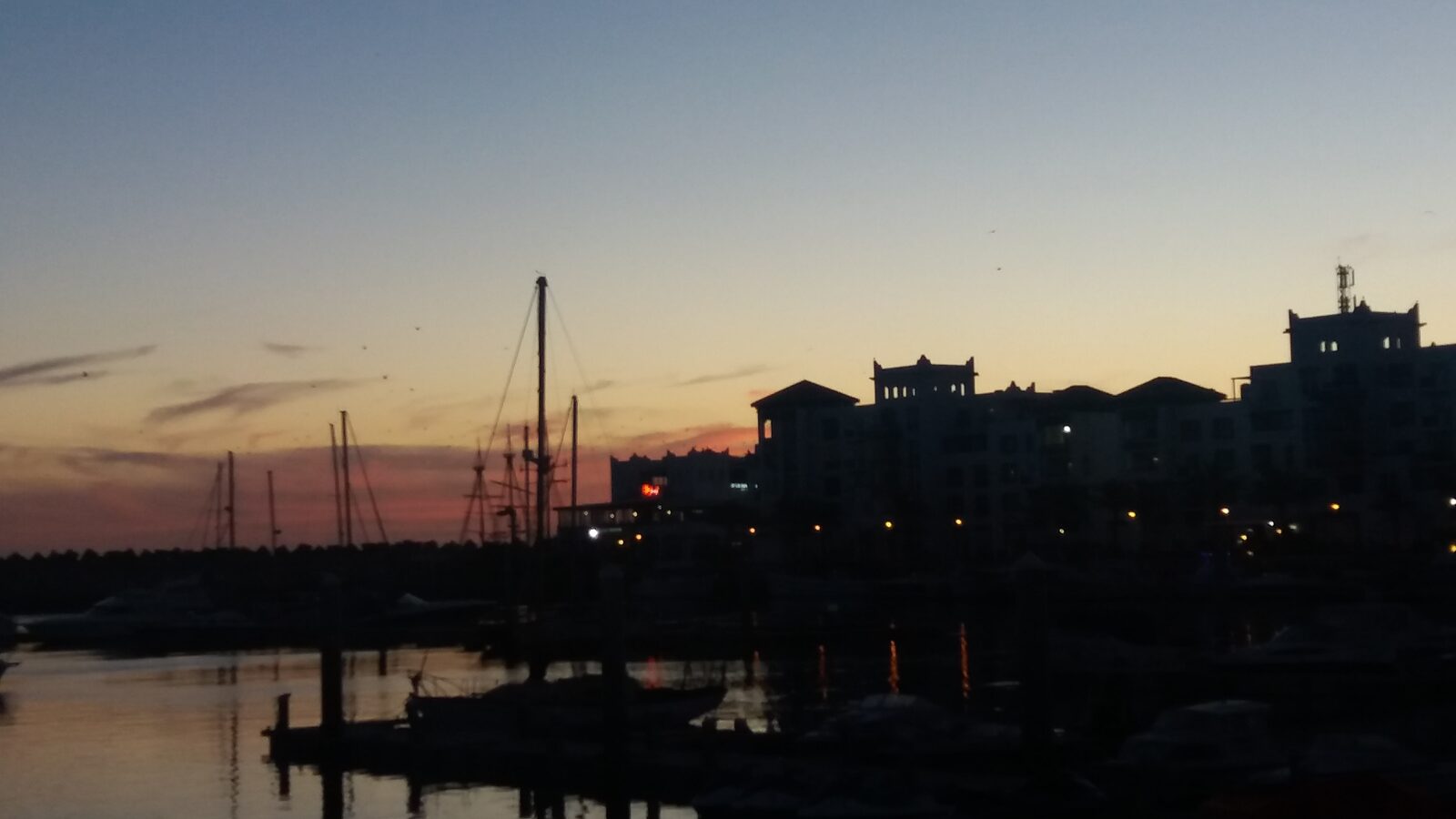
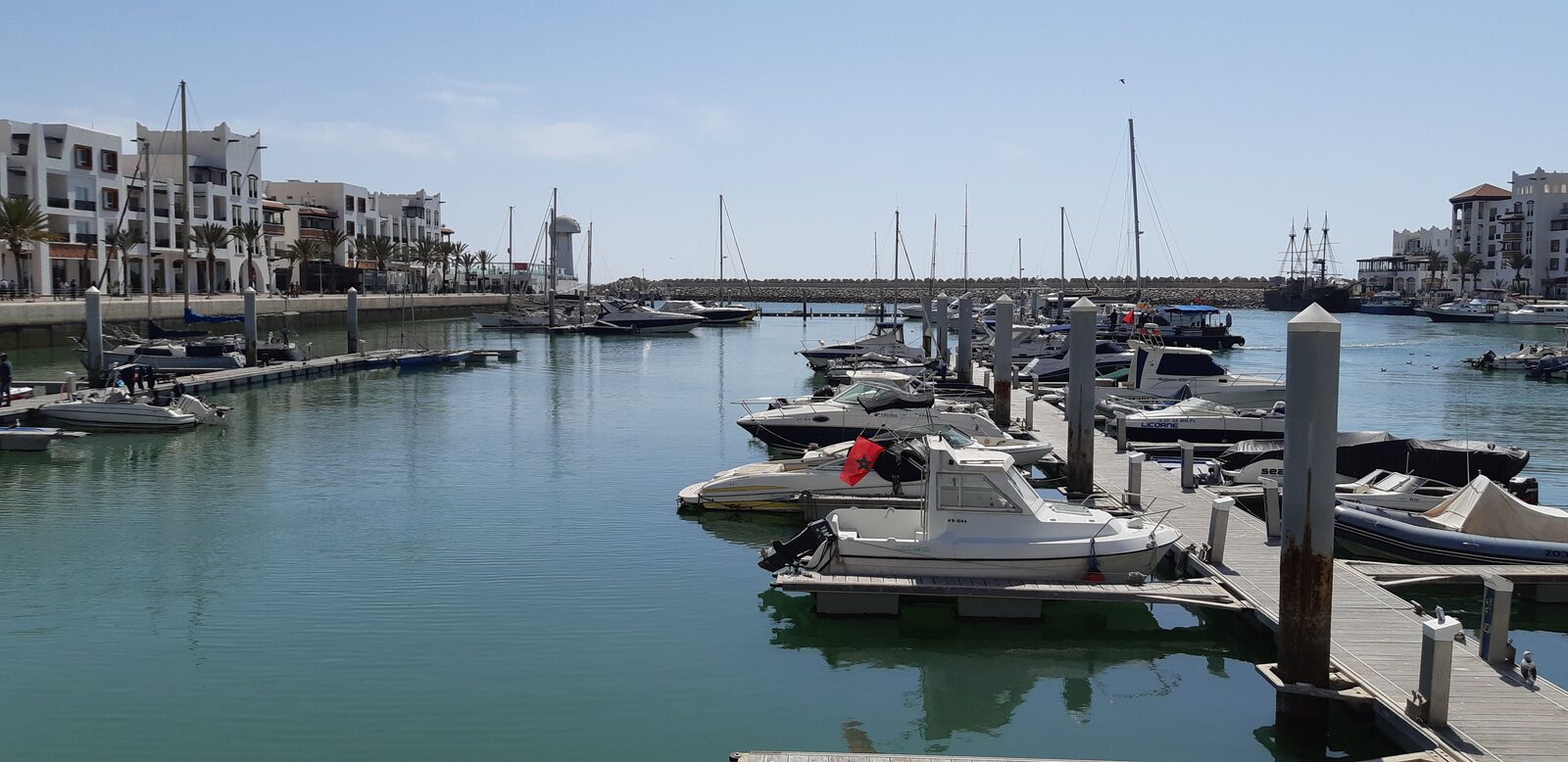
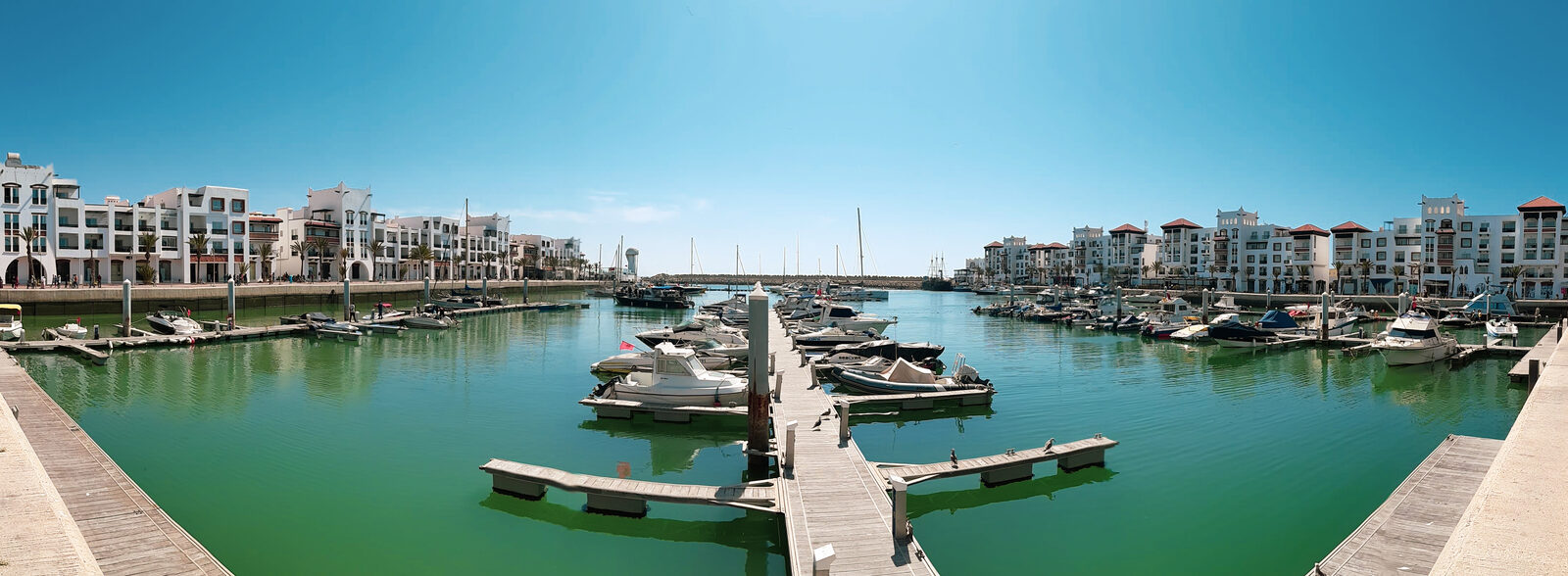
Agadir Marina is the polished northern bookend of the city’s seafront. A yacht harbour opened around 2009 at the foot of the Agadir Oufella hill, it sits where the working port ends and the corniche promenade begins, stretching south along the bay. The basin is ringed by a pedestrian quay, with shops on the inland side and restaurants facing the water. The cable-car station that runs up to the kasbah is a five-minute walk from the marina’s northern end.
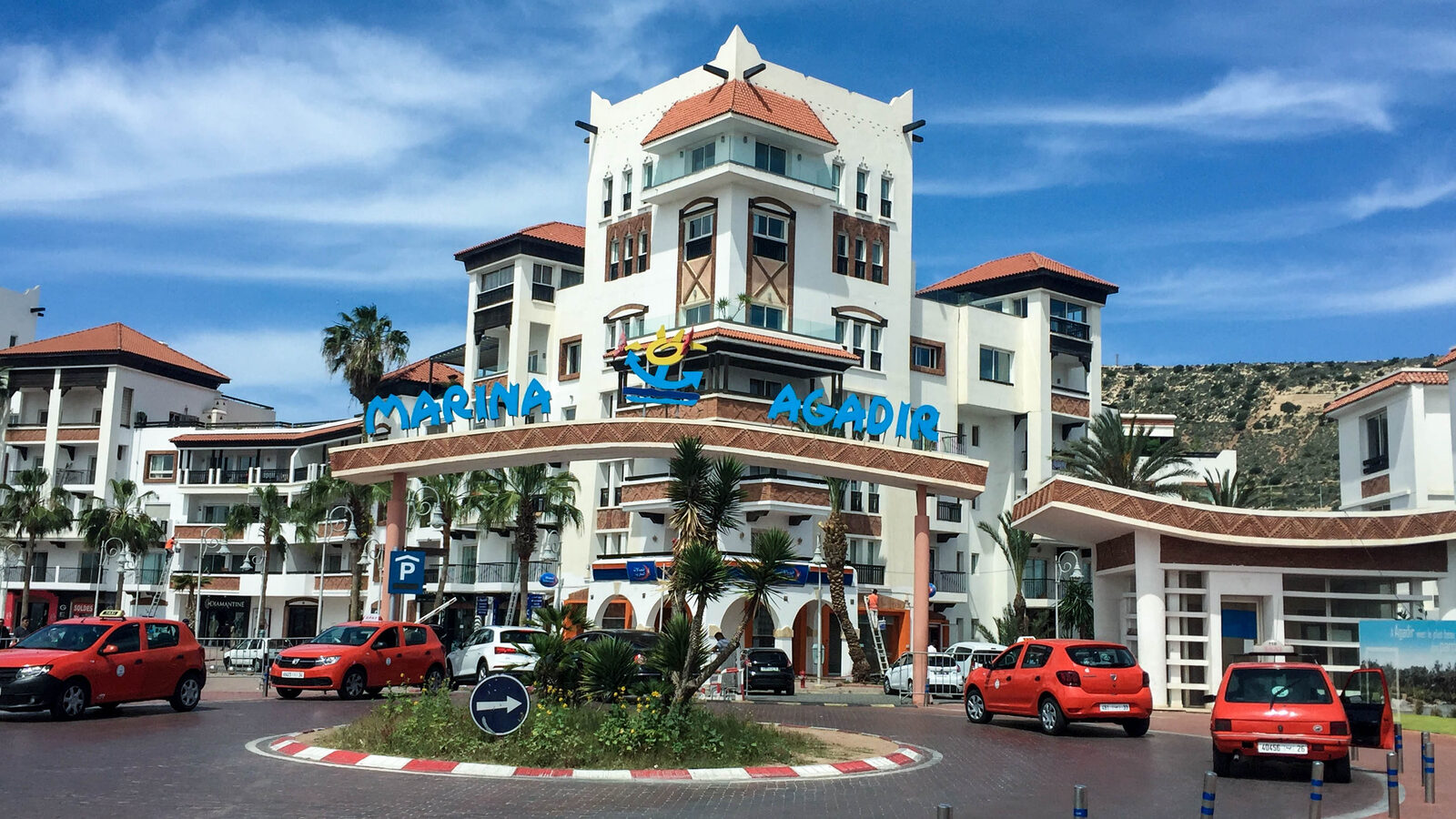
A word on what it is not. The marina is not a historic district. Like almost everything in the city you can see from the bay, it post-dates the 1960 earthquake that flattened old Agadir — and in fact it post-dates the post-quake rebuild by half a century. It was designed from the start as a tourist-friendly extension of the corniche: white pisé-effect walls, palm trees, a yacht basin, three- and four-storey shop-and-restaurant blocks. It works on its own terms. It is not where you go for “old Morocco.”
This is a working guide to what you’ll find in 2026 — the shops, the restaurants, the sunset walk — with an honest verdict on who the marina is for and who should go somewhere else.
The Layout in Five Minutes
The marina is a single rectangular basin perhaps 400 metres long, with the quay running all the way around it. The water is on your right or left depending on which side you’re walking; the shops and restaurants form a U around the inland half. There is no traffic on the quay itself — the whole thing is pedestrianised — which makes it easy to wander.
Roughly:
- Northern end. Closest to the port and the cable-car station (téléphérique). This is the end you arrive at if you’ve come down from Agadir Oufella or walked up from the city centre.
- Inland side. Shops, ice-cream counters, a couple of cafés. The boutiques are clustered here, mostly at ground level with terraces above.
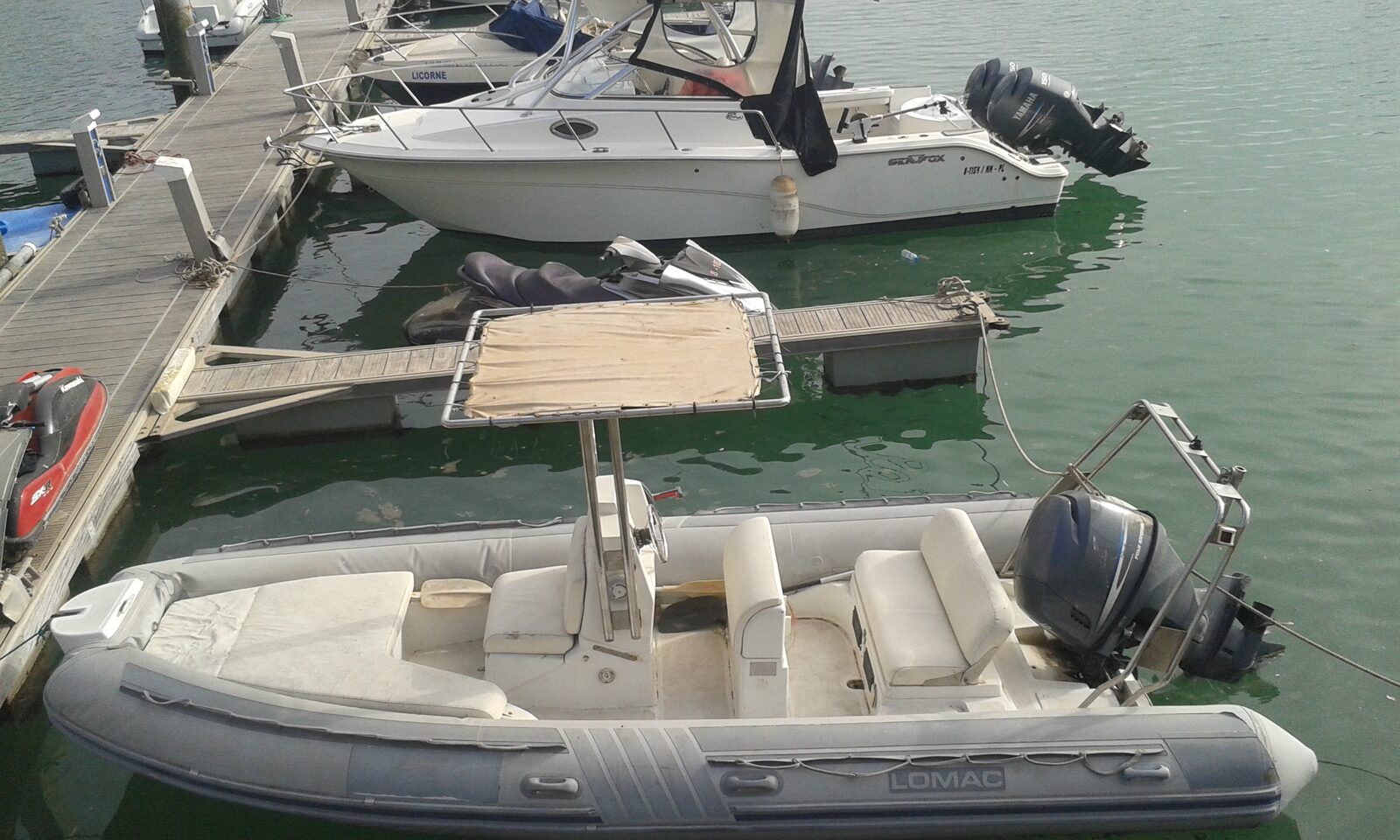
- Water side. Restaurants with outdoor terraces overlooking the moored yachts. These are the photographs you’ll see on every “Agadir at night” search.
- Southern end. Opens onto the corniche proper. From here it’s a continuous lit promenade all the way down the bay, two hours end-to-end at a stroll.
You can walk the full perimeter of the marina in fifteen minutes. Plan for longer, because that’s not really the point.
The Shops: Be Honest About What This Is
The shops at Agadir Marina are boutiques, not a souk. The category mix at the time of writing is roughly: argan-oil and cosmetics shops, leather (bags, belts, sandals), jewellery (silver, semi-precious, some Berber-style pieces), beachwear and swimwear, a few clothing brands, ceramics and home accents, a handful of touristy gift shops. Fixed prices, mostly. Cards accepted, mostly. Air conditioning. Polite staff who speak French and English.
If you are coming from the brochure of Morocco — the one with the lanterns and the alleyways and the haggling — you may find this slightly anticlimactic. That’s an honest reaction. The marina shops are doing something specific: they sell souvenirs you don’t have to negotiate for, to people who don’t want to. The mark-up over Souk El Had is real and not hidden — for argan oil in particular, you’ll pay roughly two to three times the cooperative price at the marina, at the time of writing. That’s not a scam; it’s the cost of fixed-price retail with a sea view.
Buy at the marina if: you don’t want to haggle, you want one nice gift wrapped without a negotiation, you’re short on time, you’d rather sit down with a coffee between purchases than thread through a covered market, or you specifically want a sea-facing afternoon of low-stakes browsing.
Don’t buy at the marina if: you’re price-sensitive, you came to Morocco for the market experience, or you want the actual cooperative argan oil — for that, go to Souk El Had and look for the women’s cooperative sticker. We’ve written a longer comparison in Médina d’Agadir & Souk El Had; it’s the natural counterpart to this piece.
One specific recommendation. If you’re at the marina and you want a single nice keepsake without the souk effort, the silver jewellery shops are the most defensible buy. Silver is weighed; the prices are within shouting distance of fair; and the pieces are genuinely Berber-style rather than imported tat. Leather is more variable — inspect stitching closely, and remember that “real leather” is true at the marina prices but quality varies more than the labels admit.
The Restaurants: Mediterranean With a Yacht View
The marina is where Agadir does its polished evening dining. Most of the restaurants ringing the water are Mediterranean — Italian especially, with seafood and grills filling in — and almost all of them have outdoor terraces over the basin. Mid-range to upper-mid by Agadir standards; not cheap, not Marrakech-rooftop-expensive. Expect 200–400 dirhams a head for a proper sit-down dinner with a glass of wine, at the time of writing.
A few that we cover with their own reviews:
- I Gabbiani — Italian, seafood-leaning, one of the longest-running marina restaurants. Reliable rather than thrilling; the terrace is the reason to book.
- La Scala — Italian and Mediterranean, comfortable evening room. Good for a slightly dressier dinner without making a thing of it.
- Pure Passion — gastro-leaning, smaller menu, the marina’s bid at a “destination” restaurant. Book ahead at weekends.
- Le Centro Cucina Italiana — straight-up Italian, a bit more casual, pizza-and-pasta done properly.
A note on lunch versus dinner. The marina restaurants run lunch service but the place doesn’t really come alive until evening — between roughly 19:30 and the end of dinner, the lit terraces over the yachts are the city’s most photographed scene. If you only have one meal here, make it dinner.
For a fuller list of where to eat across the city — including the cheaper, more local restaurants we’d send you to off the seafront — see our roundup of the best restaurants in Agadir.
The Sunset Walk
This is the marina’s best free thing, and the reason to be in this part of town in the late afternoon regardless of whether you eat or shop.
The honest version of the walk is this. Start at the northern end of the marina around an hour before sunset. Walk a slow loop of the basin — it takes ten minutes, but you’ll stop for photographs. Cross out of the marina onto the corniche promenade at the southern end and turn south, with the beach on your right and the hotels on your left. The promenade is properly lit, properly wide, properly safe; you’ll share it with families, joggers, couples, the occasional camel guide, and a steady drift of evening walkers from the hotels.
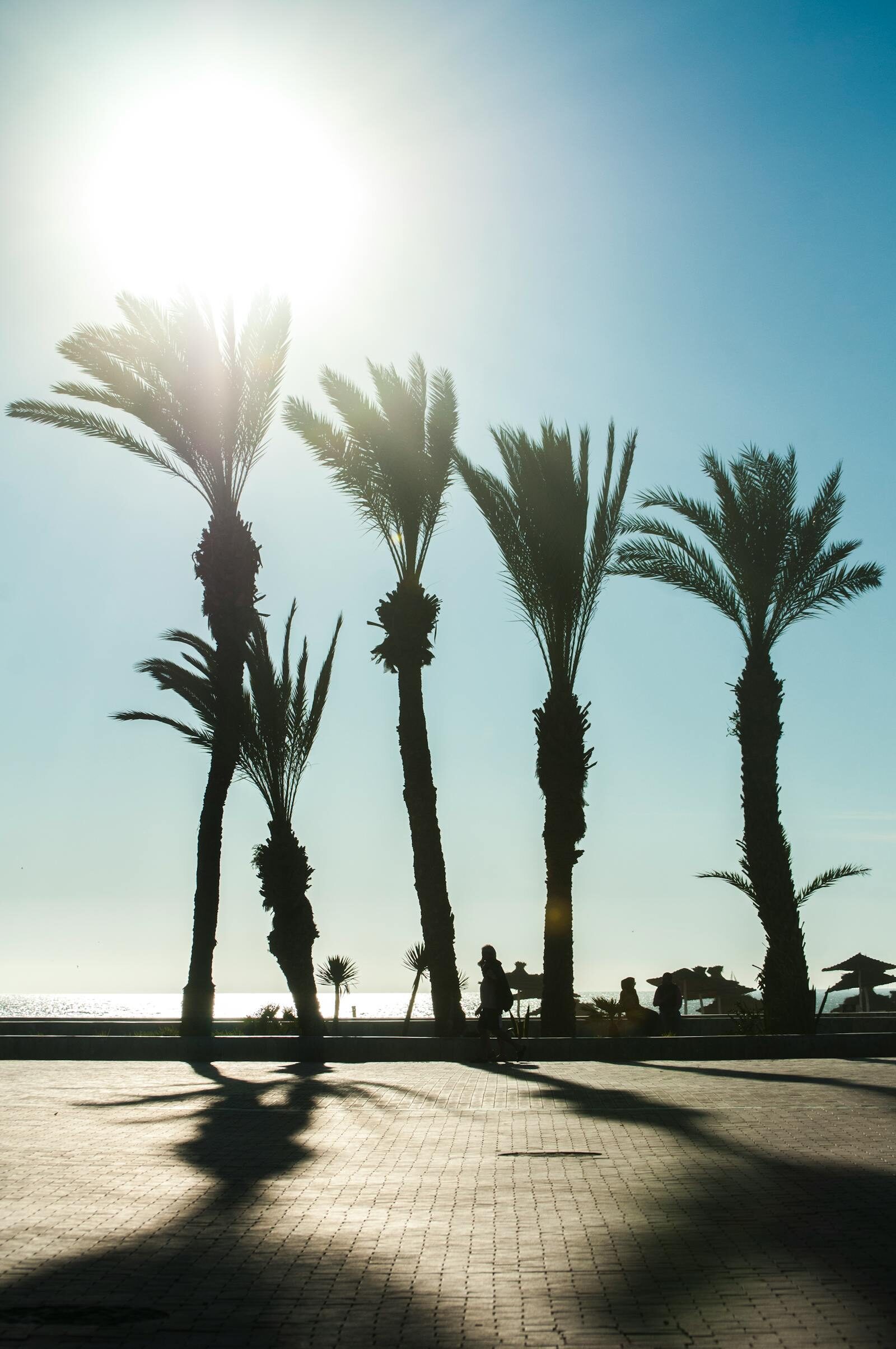
Walk for twenty to forty minutes, depending on how far you want to go. The sun drops into the Atlantic on your right at whatever the season’s sunset hour is — generally between 17:30 in midwinter and 20:00 in midsummer. Find a bench or a corniche café and stay until the blue hour. It’s the best version of Agadir at no cost.
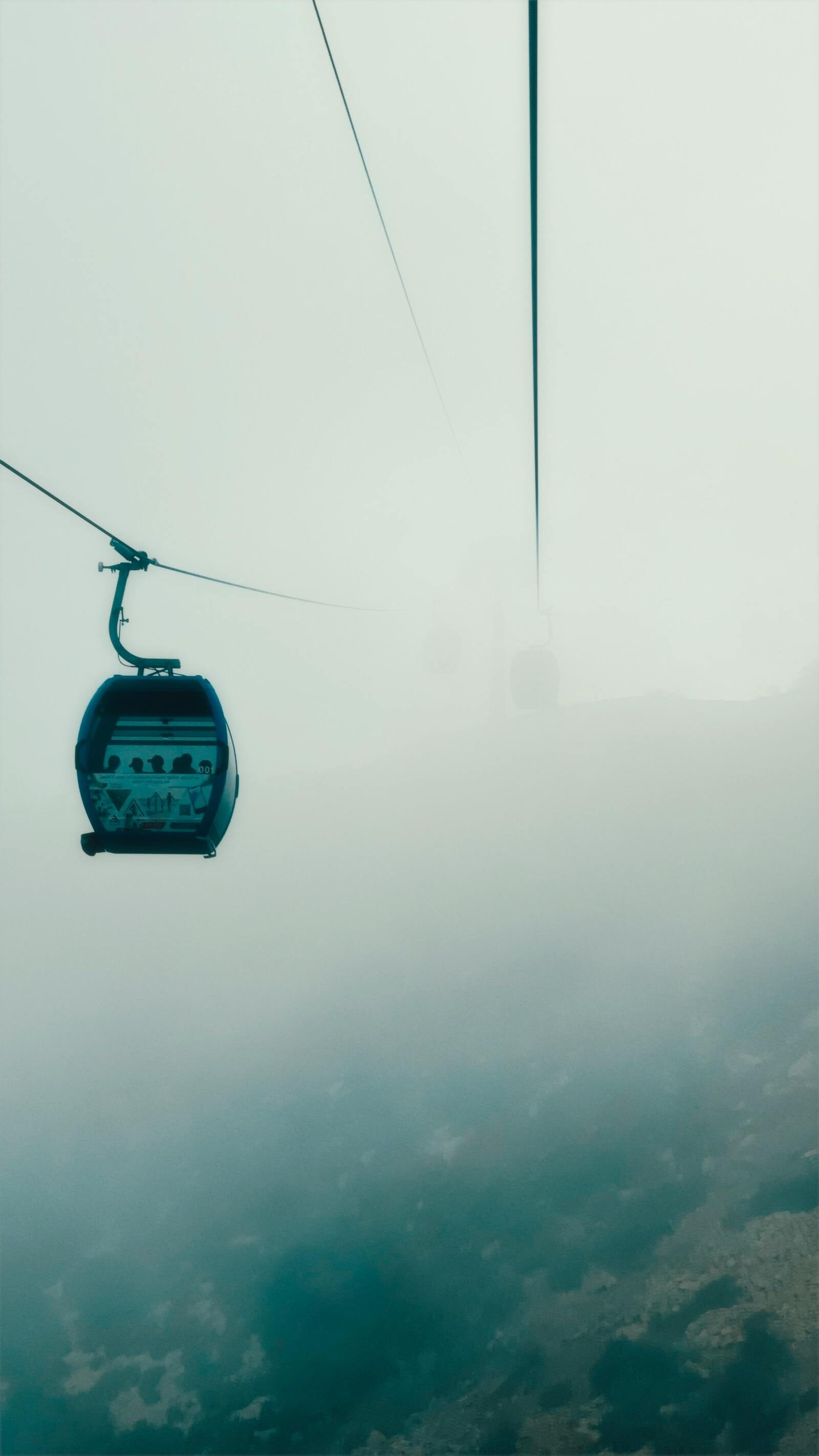
For the better sunset shot of the city itself, take the cable car up to Agadir Oufella instead — or as well. The station is a short walk from the marina’s northern end; the ride is about six minutes; tickets are around 100 dirhams return at the time of writing. From the kasbah ramparts you get the bay, the marina, the corniche, and the city grid all lit at once. We’ve written the longer piece on whether the cable car is worth it in Agadir Oufella: A Visitor’s Guide.
A practical sequencing tip: many visitors do dinner at the marina first and then walk the corniche afterwards, which is fine, but the better order is reversed. Walk the corniche at sunset, take the cable car up while there’s still light, come back down for dinner once the marina terraces are lit. The food is the same; the evening is much better.
Practical Notes
Getting there. The marina is at the northern end of the corniche, walkable from any seafront hotel from the centre upward — anywhere between fifteen and forty minutes along the promenade depending on where you’re staying. From an inland hotel or from the bus station, a petit taxi costs around 15–25 dirhams from the city centre, at the time of writing. Confirm the meter is on, or agree the price before you set off; both are normal.
Parking. A paid car park sits at the marina’s landward edge. Cheap by European standards but fills up on summer weekends from late afternoon. If you’re arriving by car after 17:00 on a Saturday in July or August, expect a slow loop before finding a spot.
When it’s quiet vs. when it’s packed. Quiet: weekday mid-mornings, especially Tuesday through Thursday. The shops are open, the terraces are calm, the light over the water is good without crowds. Packed: Friday and Saturday evenings, all year, but especially in summer school holidays. Bank-holiday weekends roughly double the crowd. Cruise-ship days add a sudden wave for two or three hours then thin out.
Cash and cards. Restaurants take cards almost universally. Most shops do; some smaller boutiques still prefer cash. ATMs sit at the marina entrance and in nearby hotel lobbies.
Modesty and atmosphere. The marina is the most European-feeling part of Agadir. Beachwear is normal walking through in the daytime; the evening dress code is “smart casual,” not formal but not pool-side either. Couples are visibly couples. Solo women travellers report it as one of the easier places in the city to spend an evening alone without unwanted attention; the corniche generally is similar.
Children. The car-free quay is excellent for kids — they can run; the ice-cream is everywhere; the moored yachts hold their attention for longer than you’d expect.
Who the Marina Is For — and Who Should Skip It
Go if: it’s your first day in Agadir and you want a gentle introduction to the city before going further; you’re a mixed-age group and need somewhere that works for grandparents and teenagers in the same evening; you want a polished dinner with a view; you want to do souvenir shopping without negotiation; you’re using the marina as the start or end of a corniche walk; you’re heading up to the kasbah by cable car and want to anchor the evening around it.
Skip if: you came to Morocco for the market culture and the alleyways — go to Souk El Had instead, with the souk-and-medina comparison piece as your map; you’re price-sensitive on souvenirs; you’d rather eat where locals eat than where the brochure photographs are taken; you specifically want “wild Morocco” — for that, the southern end of the corniche thins out into something quieter, and the Souss estuary further south is wilder still.
The marina is honest about what it is. It is a polished, comfortable, sea-facing extension of the corniche, designed to give first-time visitors a frictionless evening on the water with a yacht view and a glass of wine. If that’s what you want, it does it well. If it isn’t, the rest of the city is twenty minutes’ walk south, and the real working market is fifteen minutes east by taxi.
Pick honestly.
Keep reading
 practical
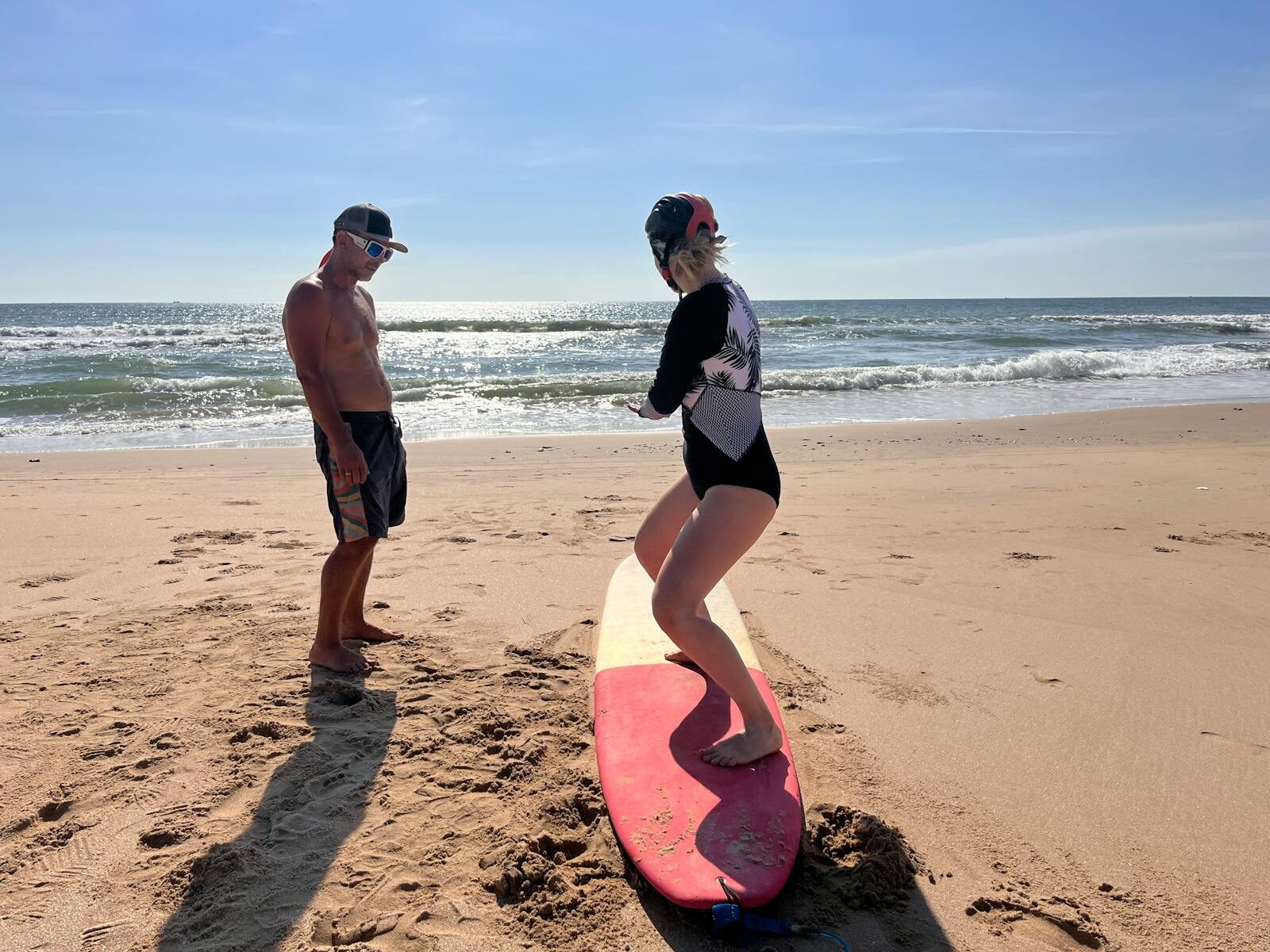
Surfing for Beginners in Morocco: Taghazout's Honest Reality 2026
A first-timer's honest guide to learning to surf in Morocco. The right breaks, the right week, the realistic costs, the surf-camps that actually teach beginners — without the brochure gloss.
 comparison
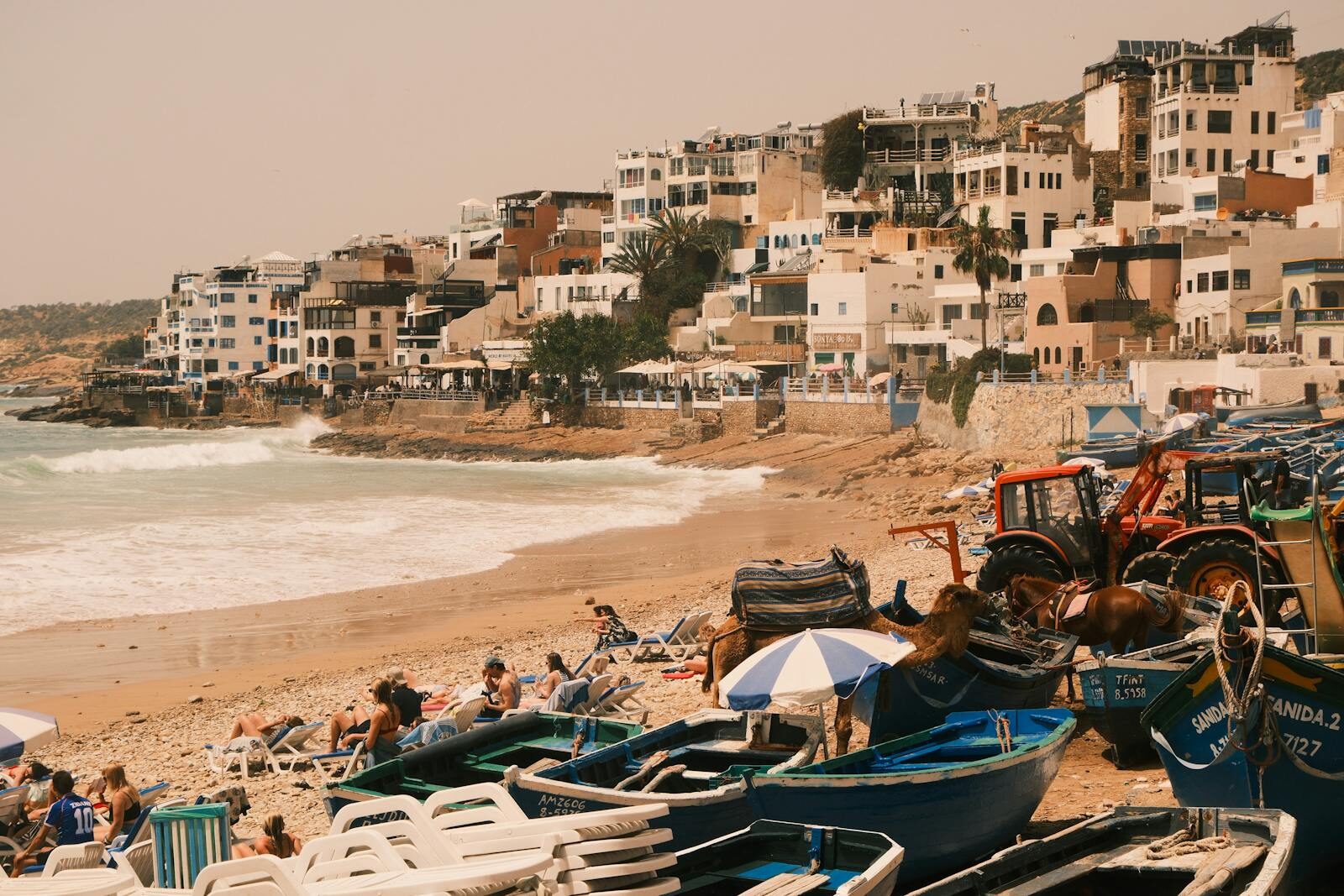
Taghazout vs Tamraght 2026: Where Should You Stay for Surfing?
An honest comparison of Taghazout village and Tamraght for a surf trip in 2026 — wave access, accommodation, food, vibe, cost, and getting around. Pick the right one.
 seasonal
Surfing in Taghazout by Season: When to Go for Your Level 2026
When to surf Taghazout depends on your level. An honest seasonal guide — winter for advanced surfers, summer for beginners, and shoulder months for the rest of us. Water temps, wave size, wetsuit thickness.