Restaurant Rafiq Agadir Review 2026: Avis Honnête sur la Cuisine Marocaine
Avis honnête sur Restaurant Rafiq à Agadir en 2026 — tagines, couscous, brochettes, prix et ambiance. Ce qu'il faut commander, quand y aller, et pour qui c'est vraiment fait.
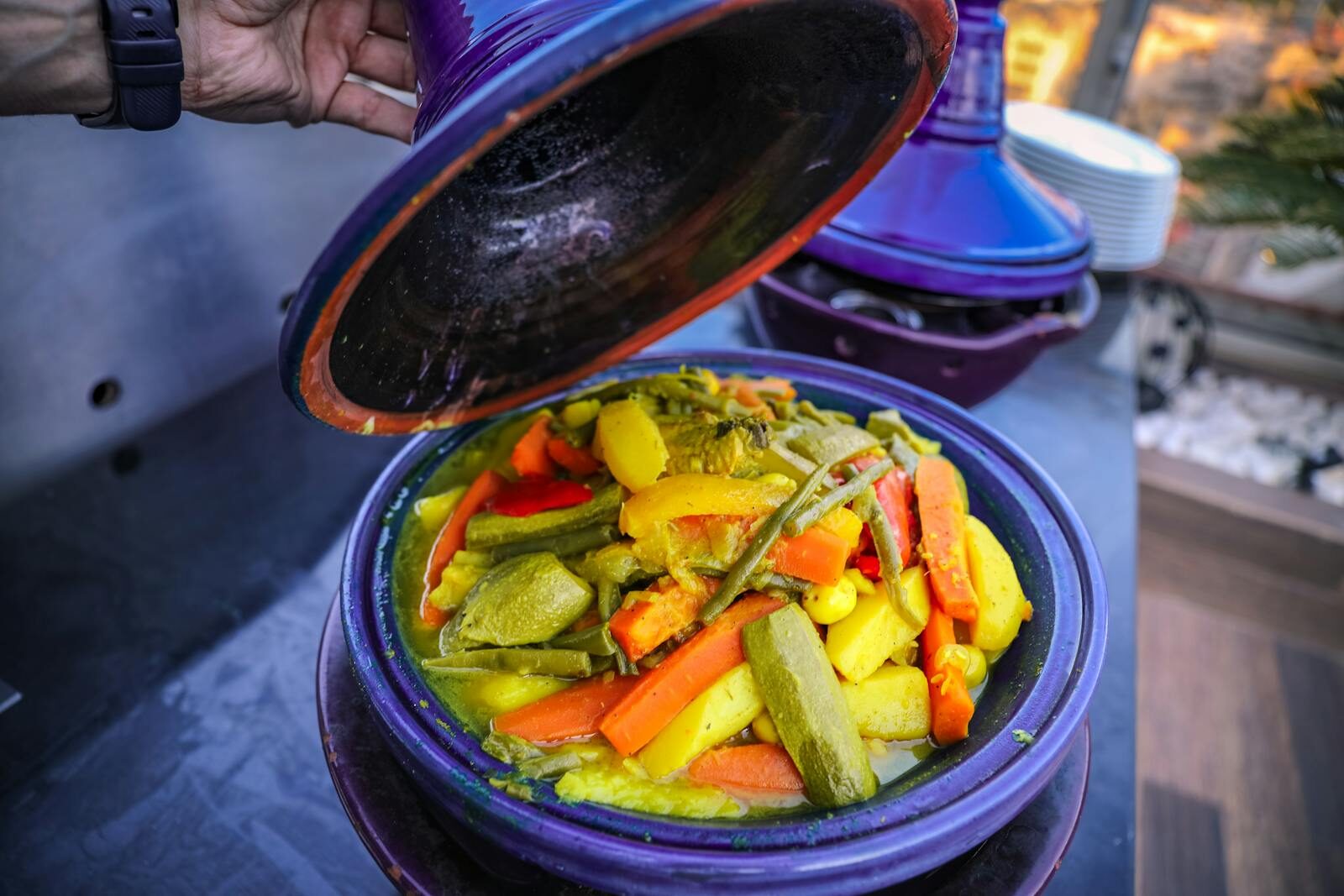
Restaurant Rafiq in One Line
Restaurant Rafiq sits on Boulevard Hassan II, ten minutes inland from the corniche, and it is — depending on the day you visit — either the most reliable cheap Moroccan kitchen in central Agadir, or a slightly inconsistent local canteen that happens to hold a Google rating most fine-dining restaurants would kill for (4.5 stars across 1,866 reviews at time of writing). Both versions are true. This review is about telling them apart before you arrive hungry.
Our Eat directory listing for Rafiq has the address, hours, and the Google reviews verbatim. This piece goes deeper: what the food tastes like, what to order, what the room feels like at 1pm Tuesday versus 8pm Saturday, and the unflattering question most restaurant reviews avoid — is this the right introduction to Moroccan cuisine, or is it a habit?
The Short Verdict
Go if you want a cheap, busy, locals-heavy lunch of properly-made tagine on a weekday between 12.30 and 2pm. The chicken tagine and the meatball tagine with egg are the dependable hits. You’ll eat well for 60 to 100 dirhams a head.
Skip if you want a romantic zellige-walled Moroccan dining room — Rafiq is a working canteen, not a stage set. Skip also if you’re depending on a specific menu item: stocks rotate, and at least one return reviewer downgraded from five stars to three because the kabab he came back for had been quietly replaced with something smaller. Skip if you’ve been in Morocco a fortnight and have already eaten your weight in tagine.
What Rafiq Actually Is
Rafiq is a restaurant marocain: tagines, couscous, grilled meats, plus the supporting cast of starter salads, breads, mint tea and small sweets that anchor every sit-down Moroccan meal. Not French-Moroccan fusion. Not a tourist-strip “Moroccan night” with belly dancers. It serves the food locals eat at the price locals pay.
The address — Boulevard Hassan II, Immeuble Assoulil — is central. You’re inland from the corniche by about ten minutes on foot, in the working stretch of new Agadir that runs between the hotel district and Souk El Had. The clientele is genuinely mixed: office workers at lunch, families on weekend evenings, tourists who found their way here off a recommendation. Not on a beach. Not pretending to be.
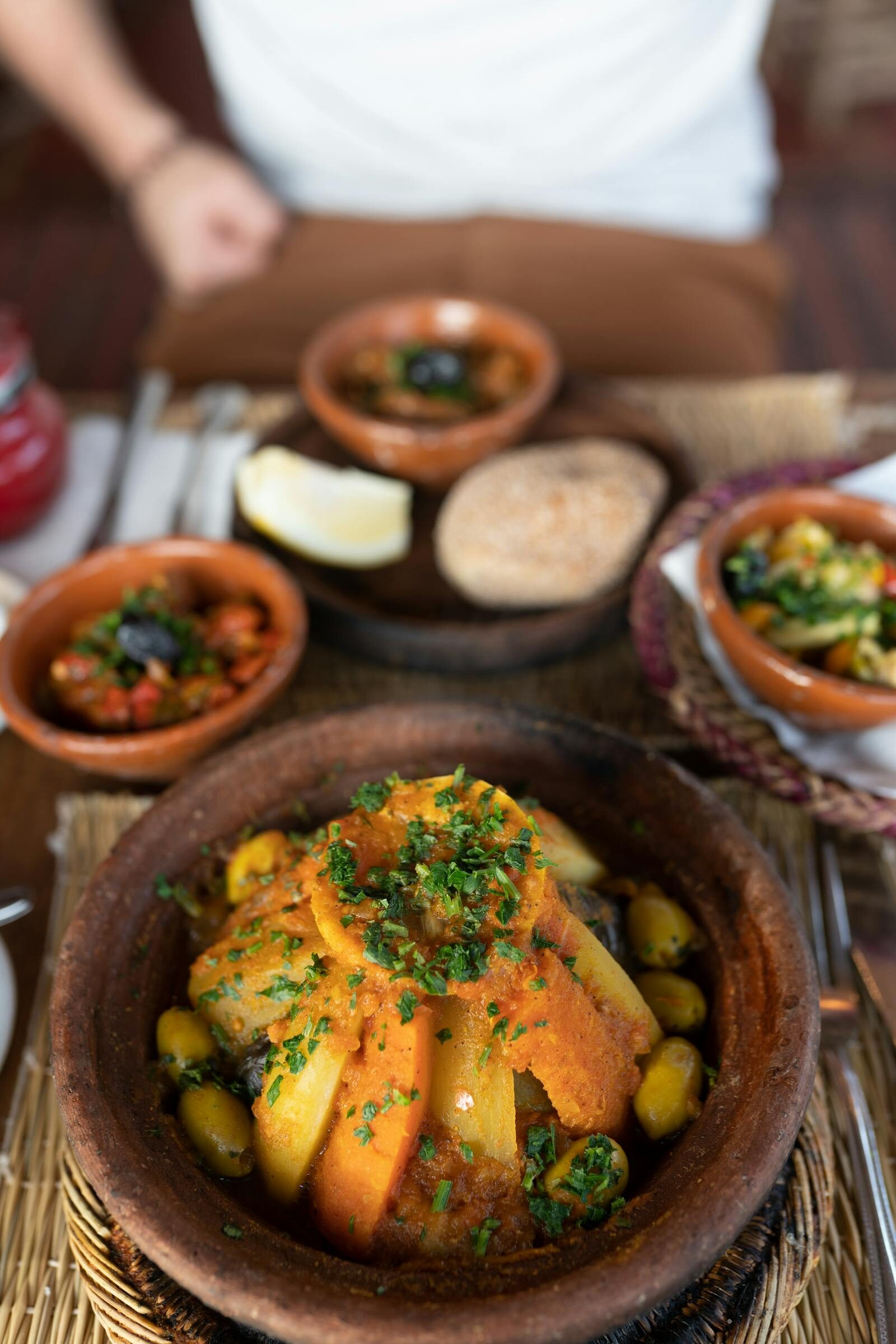
The Tagines: What to Order
The tagine is what Rafiq is rated on. Three are worth specific mention.
Chicken tagine with preserved lemon and olives is the safest order in the house. Properly braised — fall-off-the-bone, not the rubbery quick-fry version some kitchens get away with — with the right balance of smen, lemon, ginger, and the back-bitter of cracked olives. Roughly 50 to 65 dirhams. Order this if you’re new to the cuisine or testing the kitchen.
Meatball (kefta) tagine with egg is the one Google reviewers keep flagging, and it earns the flagging. Beef kefta poached in tomato-and-cumin sauce, finished with eggs cracked on top so the whites set and the yolks stay just runny. Eat it with bread, not a fork. Around 50 to 70 dirhams. Genuinely one of the better versions in central Agadir at this price.
Lamb tagine with prunes or vegetables is more variable. When it works, the lamb is tender and the prune sweetness lifts the dish. When it doesn’t, the lamb can be tougher than it should be. Worth ordering when you see locals’ tables stacked with it; probably not on a slow Wednesday at 4pm when the kitchen is between services.
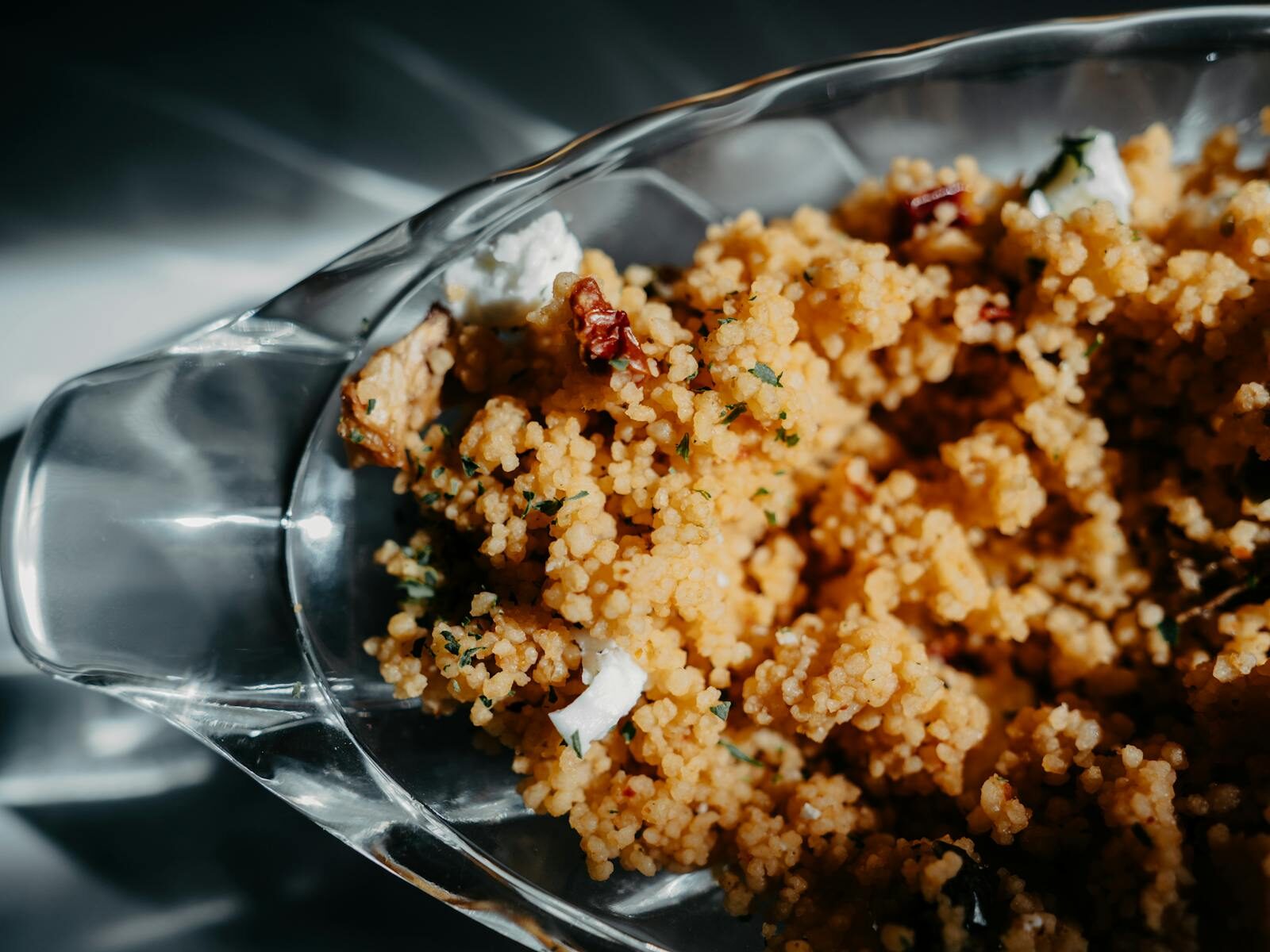
Couscous: Friday Only, and the Whole Point
Proper Moroccan couscous is a Friday dish — the meal families eat at home after Friday prayers — and the rhythm of restaurants follows that. Friday is the day Rafiq is set up to produce couscous properly: steamed three times over the broth, the seven vegetables (carrot, turnip, courgette, cabbage, pumpkin, chickpea, sometimes potato or fennel) arranged in the traditional cone over lamb, chicken, or beef.
Ordering couscous on a Monday will get you couscous. It will not get you the version that ends up on the family table. If you have a flexible day, go on a Friday lunch — book or arrive early. Roughly 70 to 100 dirhams for a portion that comfortably feeds two if you’ve started with a salad. Our best restaurants in Agadir for 2026 cross-references Rafiq with the comparable mid-range Moroccan kitchens: Dada Cuisine leans rustic-traditional, Restaurant Al Walima leans polished-presentation.
The Grill: Brochettes, Kefta, Kabab
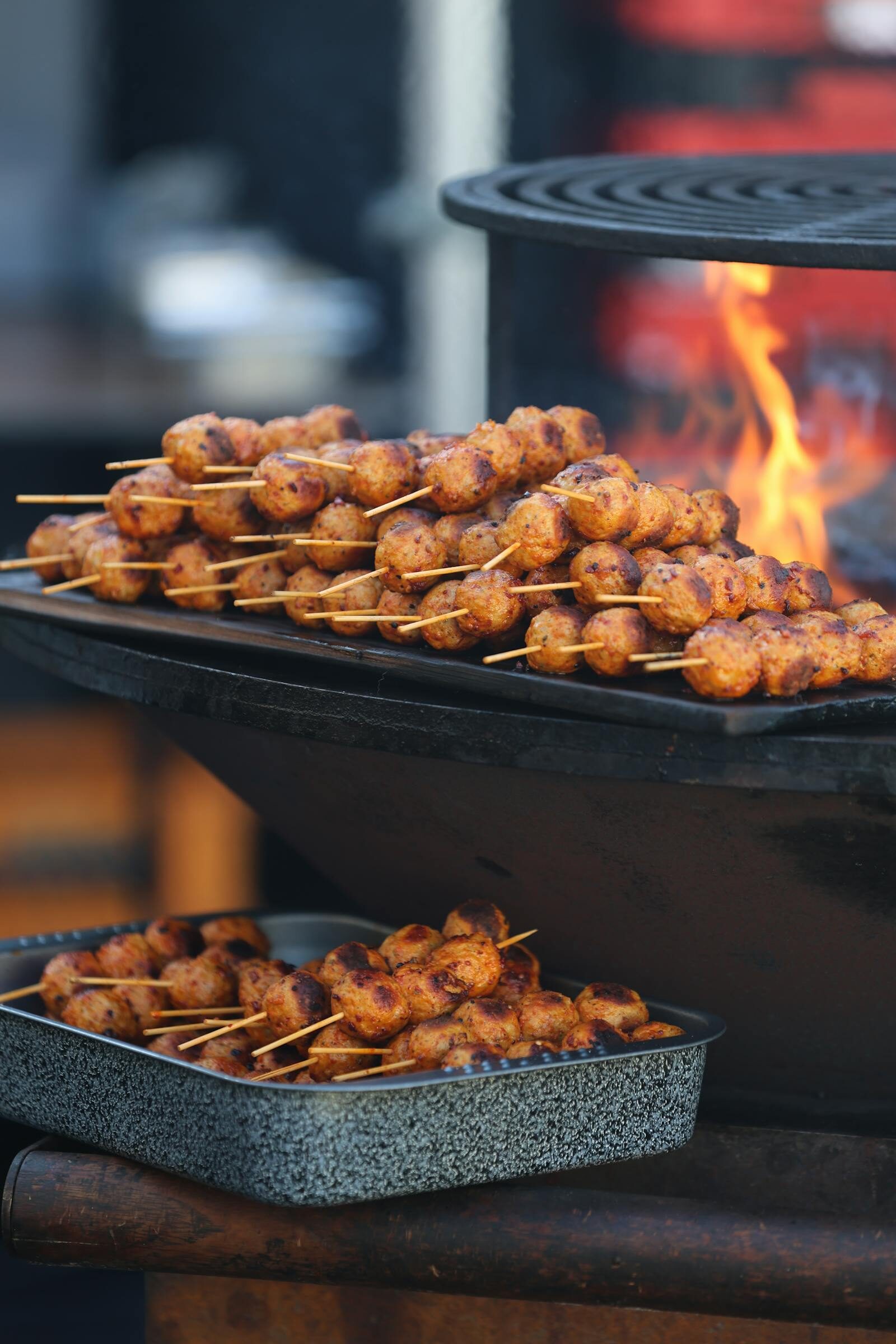
Rafiq runs a charcoal grill alongside the tagine kitchen. Order from here when you want something quicker — a tagine takes its time; a brochette is on the table in fifteen minutes.
Beef or lamb brochettes are the standard order — charred outside, pink inside if you ask (specify à point or saignant; default leans past well-done). They arrive with bread, a small salad, and a chili-and-cumin dipping mix worth using. Kefta brochettes — minced beef seasoned with parsley, onion, cumin, paprika — are the ones we recommend most often. Chicken brochettes are reliable but unspectacular; if you’re going chicken, the tagine is the better use of your dish.
One honest consistency flag: more than one Google reviewer has come back for a specific grilled item, been told it wasn’t available, and been served a smaller substitute. That’s a pattern, not a one-off. Stocks rotate based on what arrived from the wholesaler that morning. Locals know to ask what’s good today rather than what’s on the menu. Ask before you sit down. The staff will tell you the truth.
Mint Tea, Bread, Salads
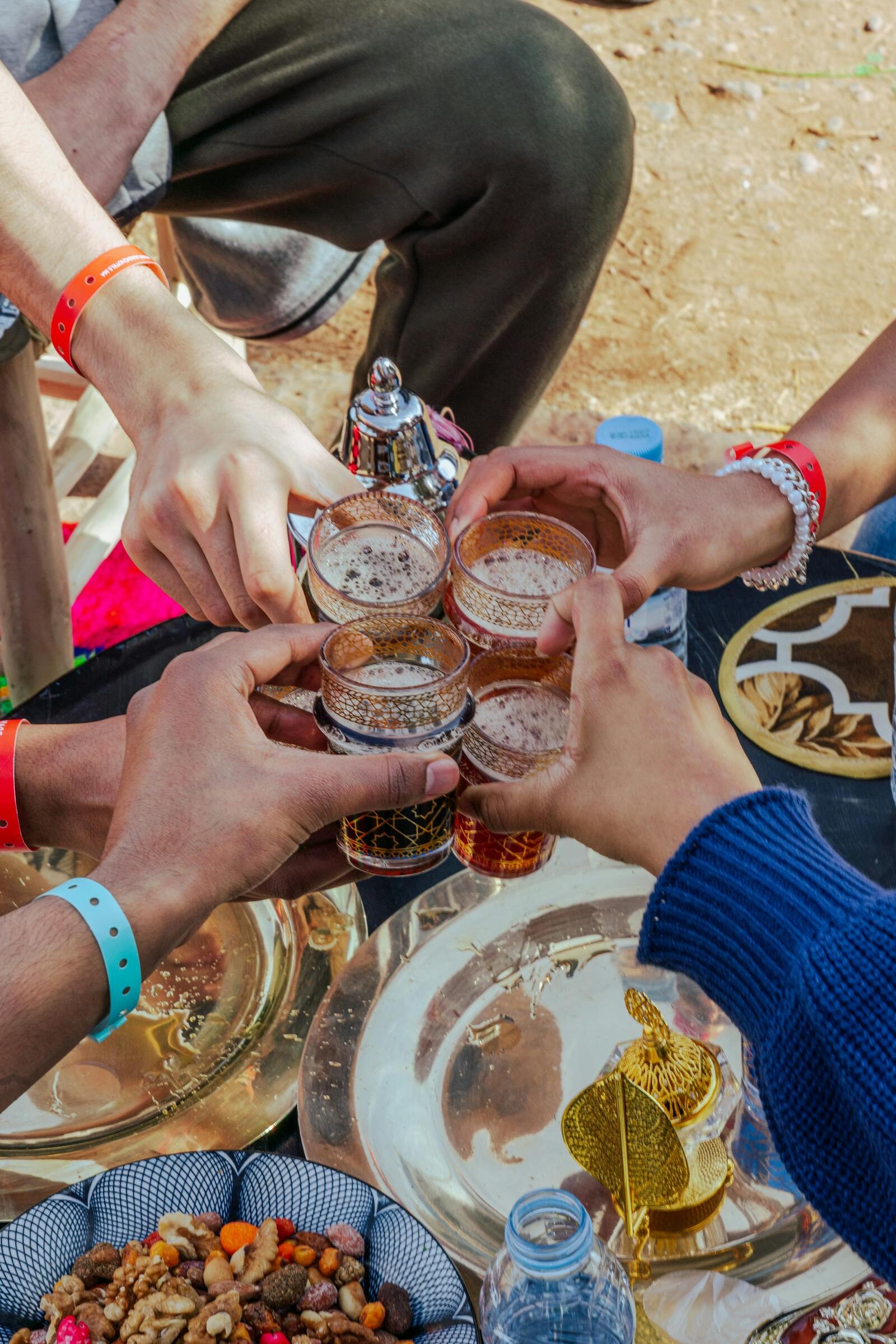
The mint tea is good. This sounds like faint praise but isn’t — a lot of Moroccan restaurants in tourist zones serve a perfunctory mint tea that’s basically warm sugar water with a leaf in it. Rafiq’s is the proper thing: gunpowder green tea brewed strong, a generous fistful of fresh mint, sugar in chunks not packets, poured from height so a foam forms. 10 to 15 dirhams. End every meal with one.
The fresh orange juice deserves its own line — squeezed to order, real, sweet, not bottled. Several Google reviewers single it out and they’re right. 12 to 20 dirhams. Order one even if you wouldn’t normally.
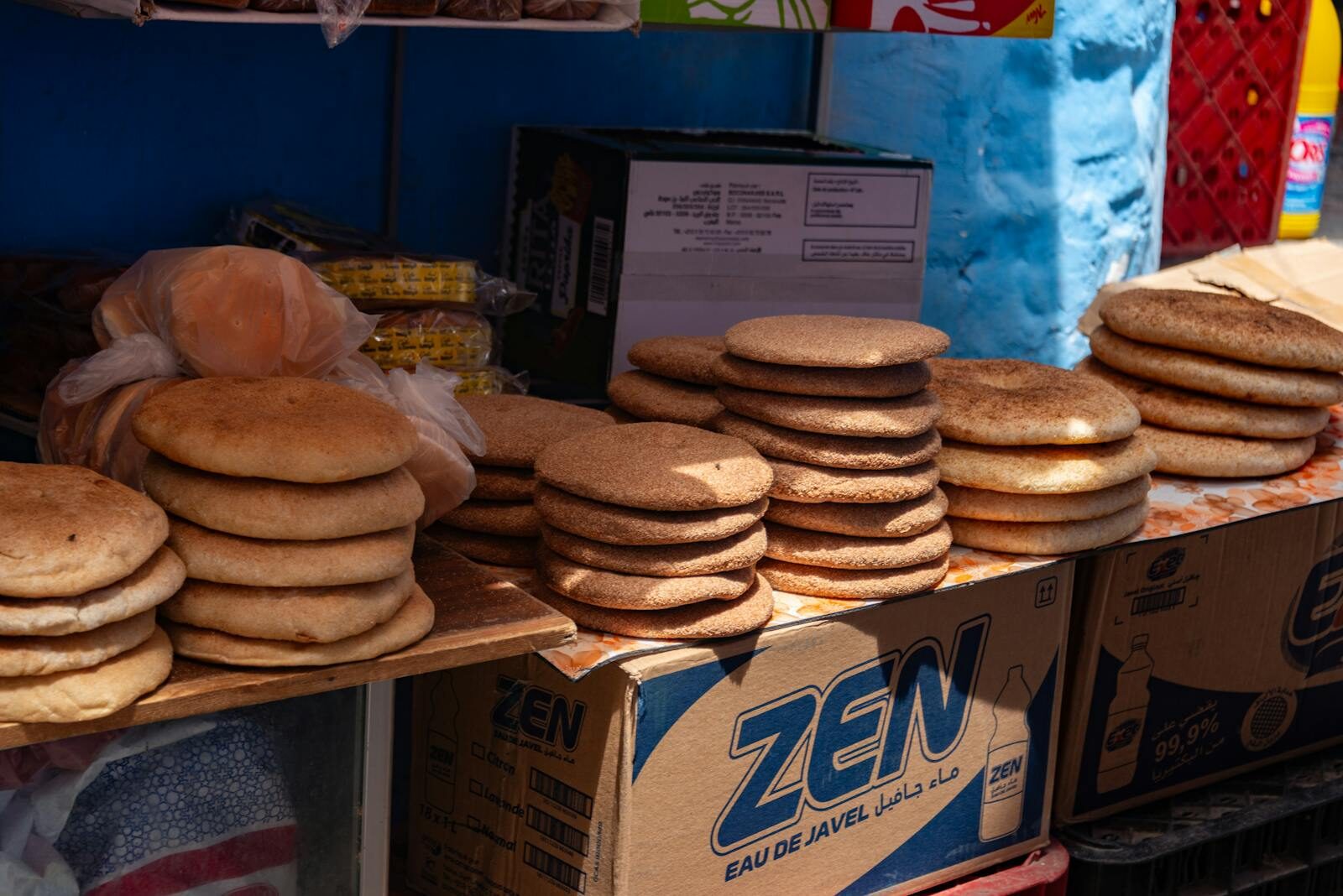
The bread — khobz, the round Moroccan loaf, sometimes paired with msemmen (layered, slightly oily flatbread) — is good but not exceptional. It does the job, which is to be the utensil you eat tagine with. Tear, scoop, repeat.
The starter salads are where Rafiq quietly distinguishes itself: small dishes of cooked carrot and cumin, beetroot, lentil, courgette, zaalouk (aubergine), taktouka (tomato-and-pepper). Order the salade marocaine mixed plate if it’s on — six or seven small dishes for 30 to 40 dirhams, an honest survey of Moroccan home cooking. The knafeh (cheese-and-syrup pastry, Levantine-by-way-of-Morocco) is a Rafiq signature and worth a try if you’ve got space after the tagine. You probably won’t.
Pastilla and the Specialty Question
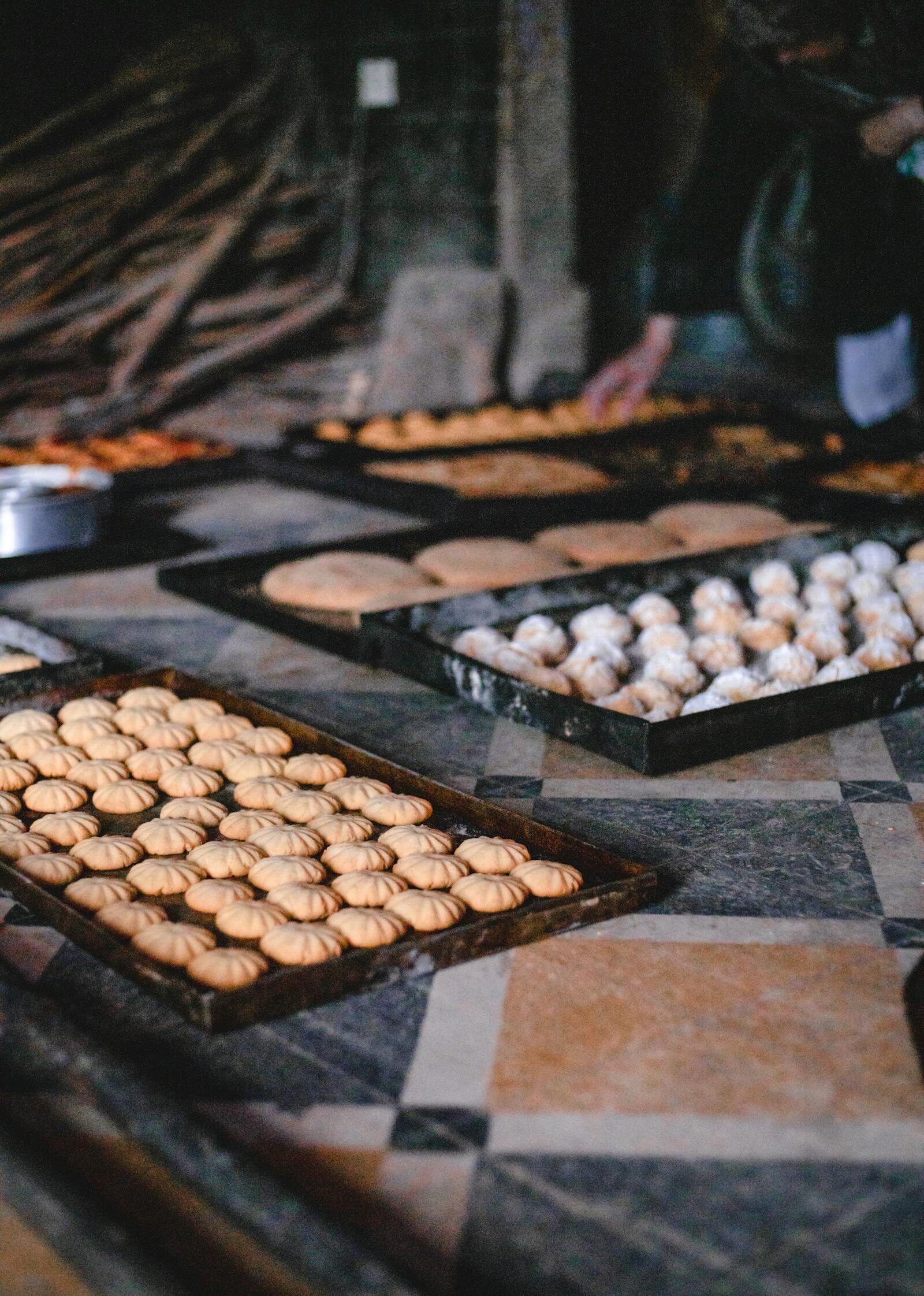
Pastilla — the layered warqa pastry pie of pigeon or chicken with almonds, cinnamon, and a dusting of icing sugar — is technically demanding. The pastry has to be made same-day. The filling needs slow cooking. It’s the dish that separates a kitchen that makes Moroccan food from one that re-heats it.
Rafiq sometimes has pastilla and sometimes doesn’t. When it does, our experience is competent rather than exceptional — the casing is good, the filling sweet enough, the cinnamon dust is what it should be. For a place where pastilla is the central event, Restaurant La Pastilla is the named specialist (the clue is in the title). Go there if pastilla is the dish you’re hunting; come to Rafiq for the tagine.
The Room
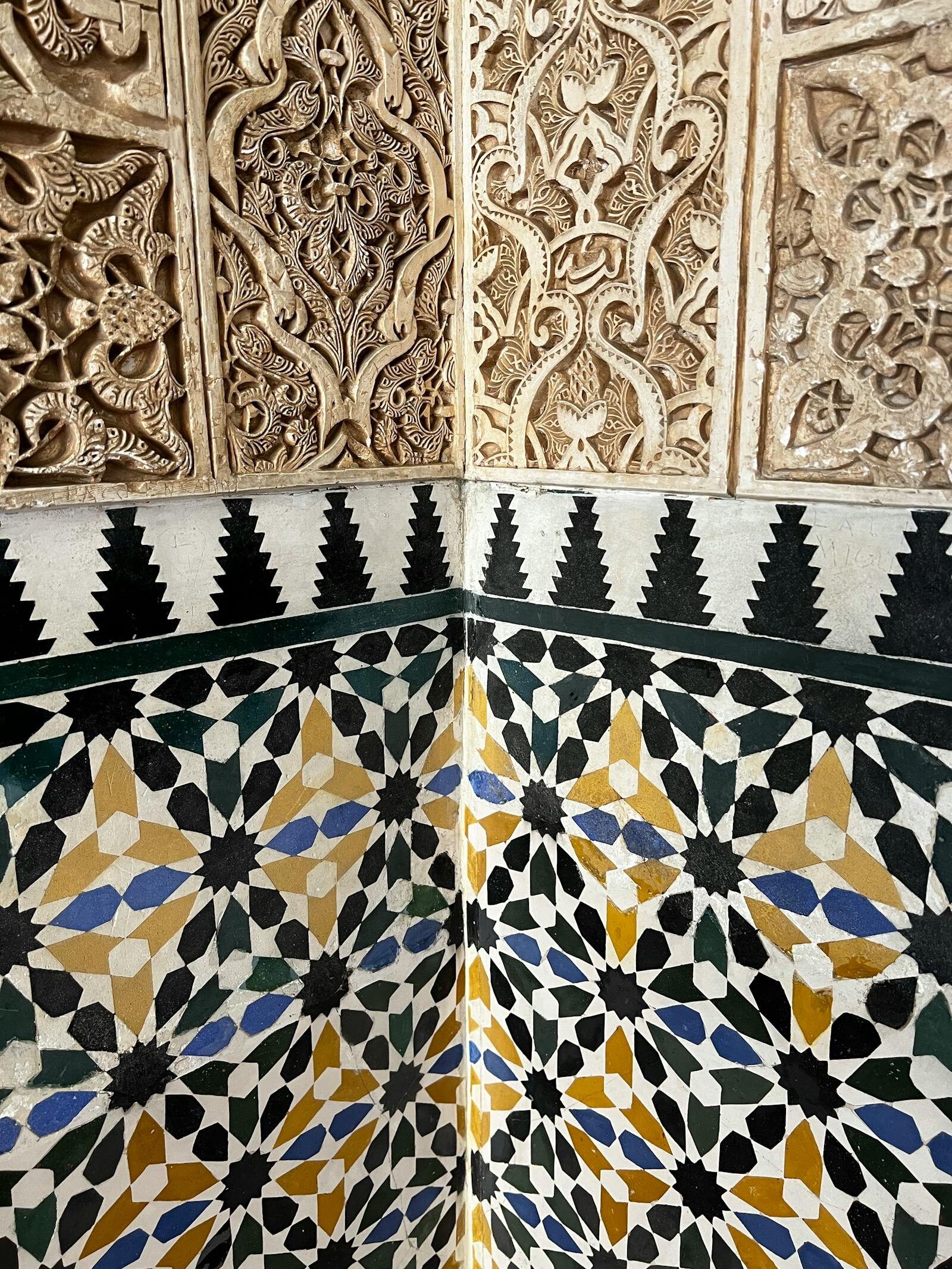
Rafiq is not the most beautiful Moroccan restaurant in Agadir. The room is functional — tile floors, fixed wooden tables, banquette seating, open kitchen toward the back. Some Moroccan ironwork lamps and a patterned wall or two gesture at traditional decor, but you’re not eating inside a riad. You’re eating inside a working Boulevard Hassan II canteen that happens to make very good food.
For a more atmospheric room — zellige walls, low brass tables, hanging Marrakech lanterns — Agadir has options. Khaymat Al Mandi Agadir leans into the room as theatre (with a Gulf-Yemeni tilt to the food); Restaurant Al Walima does a more polished traditional Moroccan dining room. Rafiq is honest about being a kitchen first.
The room can get loud at peak service. The lighting won’t flatter a date-night photograph. Tables turn fast at lunch. If you want the experience version of a Moroccan dinner — slow, candle-lit, two hours over a bottle of wine — this isn’t the room. If you want the food version of a Moroccan lunch — proper plates, fast service, locals at the next table — it’s the right one. Wine, incidentally, is not on offer; the corniche hotel restaurants are the play if you want a glass.
When Locals Go vs When Tourists Go
The operational thing nobody tells visitors:
- Weekday lunch, 12.30 to 2pm — locals’ time. Office workers, civil servants, families having a proper sit-down lunch. Kitchen at its peak. Tagines coming out properly cooked because they’ve been on since 10am. This is the version of Rafiq we recommend most often.
- Weekday evening, 7 to 9pm — mixed. Steady, quieter, easier to get a table.
- Friday lunch — couscous shift, busy. Reserve or arrive at noon sharp.
- Saturday/Sunday evenings — family time. Bigger tables, more children, slower pace.
- Mid-afternoon, 3.30 to 6pm — the danger zone. Lunch over, dinner hasn’t started, kitchen between gears. This is when the “they were out of beef skewers” stories happen.
Rule of thumb: eat at Rafiq when locals are eating at Rafiq. Lunch at noon, dinner at eight, Friday for couscous. The kitchen is rated for the meals it cooks most, not for the ones it occasionally has to improvise.
What It Costs
Honest 2026 estimates — treat them as ranges, not promises:
- Tagines: 50 to 80 dh (chicken cheaper, lamb dearer).
- Couscous: 70 to 100 dh, feeds two.
- Grilled brochettes: 50 to 80 dh.
- Starter salads (mixed plate): 30 to 45 dh.
- Mint tea: 10 to 15 dh.
- Fresh orange juice: 12 to 20 dh.
- Dessert (knafeh, caramel pudding): 20 to 35 dh.
Solo lunch — tagine, salad, tea — 75 to 110 dh. Two-person dinner with starters, mains, drinks, dessert — 200 to 300 dh. Comfortably inside what we’d call cheap Agadir eating — see our cheap eats in Agadir 2026 round-up — without being so cheap the kitchen worries you. Cash is universally accepted; cards work but the network can be slow. Bring some notes.
A Word on Tagine Fatigue
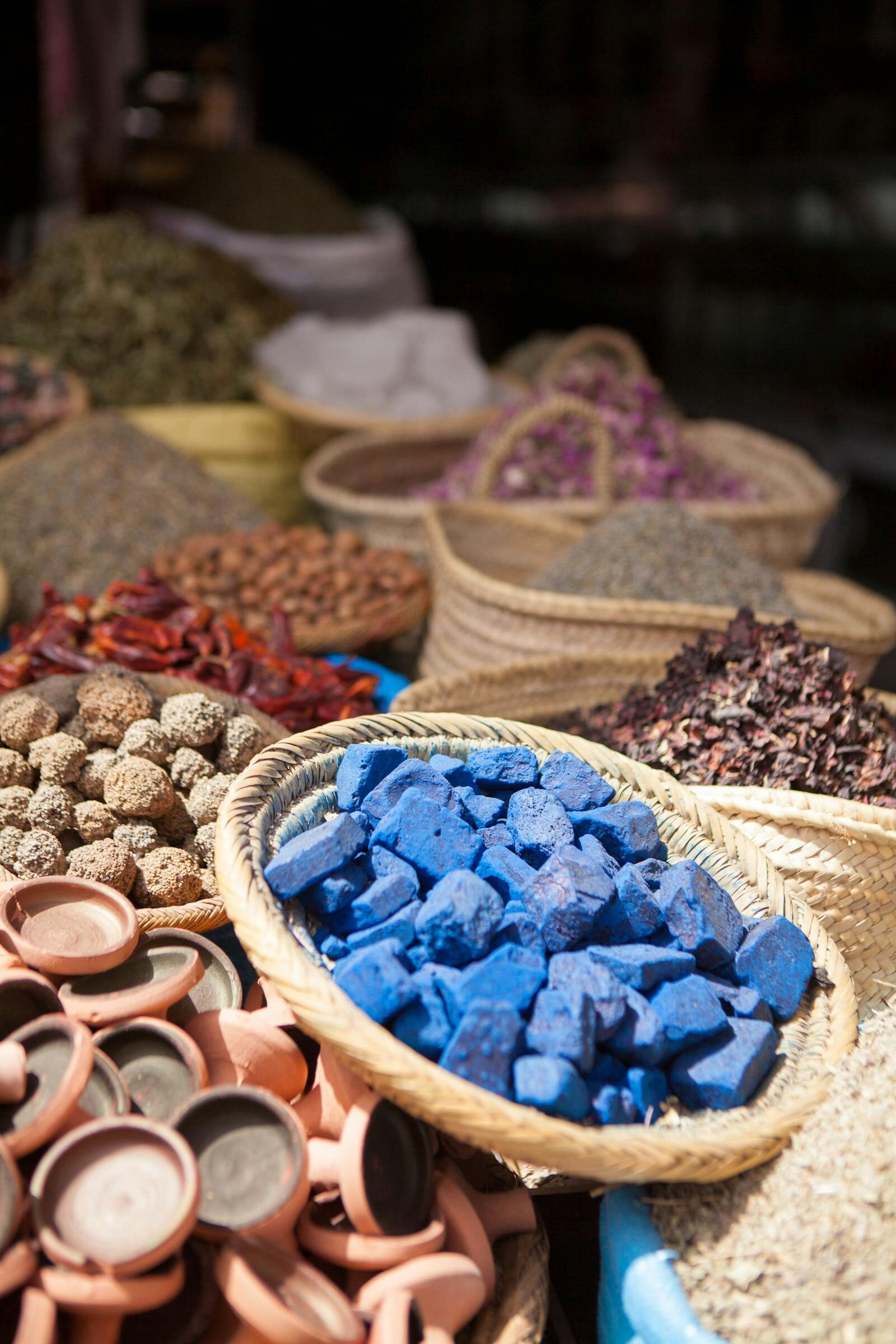
The unflattering honest thing nobody writing restaurant reviews wants to say: by day five of a two-week Morocco trip, a lot of visitors are tired of tagine. The flavour profile — preserved lemon, cumin, ginger, the sweet-savoury fruit-and-meat combinations — is distinctive and excellent, and is fundamentally one shape of cooking repeated. After several days, an extremely good chicken tagine starts to feel like an extremely good chicken tagine you ate yesterday.
This isn’t Rafiq’s problem. It’s the visitor’s problem with Moroccan cuisine. We mention it because if you’re searching “restaurant rafiq reviews” on day six and weighing another tagine — the honest answer might be: no, take a break, eat something else tonight, come back later in the week when the palate has reset. The seafood restaurants near the port are a useful reset. So is anything not braised in clay.
If you’re on day one or two, by contrast, Rafiq is a genuinely good first proper Moroccan meal. The flavours arrive with their full novelty, the room is busy enough to feel correct, the price won’t blow the food budget. Go now while everything still tastes new.
Is Rafiq the Right Introduction to Moroccan Cuisine?
The subtler question most “restaurant rafiq reviews” searches are really asking.
Rafiq is a good introduction for a particular kind of visitor: one who wants to eat what Moroccans eat at the price Moroccans pay, in a room that isn’t putting on a show. It will give you the food. It will not give you the theatre — the riad courtyard, the slow procession of plates, the oud player in the corner. Some visitors want that theatre and they should have it; it’s a real and worthwhile part of Moroccan dining. Others find theatre exhausting and just want the food. Those are the ones for whom Rafiq is exactly right.
Useful test: if your ideal first Moroccan meal is “I want to eat the chicken tagine the family next to me is eating, and I want it to be good, and I don’t want to pay 200 dirhams for the privilege,” you want Rafiq. If it’s “I want the romantic Moroccan dining-room experience from the Instagram reel,” you want a riad-style restaurant — no shame in that, but Rafiq isn’t it.
Practical Notes
- Address: Boulevard Hassan II, Immeuble Assoulil, Agadir 80000.
- Phone: 05 28 84 25 37. Reservations not strictly required; worth a call for Friday lunch and Saturday evening.
- Walk from the corniche: 10 to 15 minutes, level streets, well-lit at night.
- Walk from Souk El Had: about 10 minutes — makes a natural lunch break after a morning at the souk.
- Petit taxi from anywhere central: 15 to 25 dh; insist on the meter.
- Languages: staff handle French, Arabic, enough English. Menu is in French and Arabic.
- Vegetarians: vegetable tagine, lentil and chickpea salads, zaalouk and taktouka. Say je suis végétarien and they’ll steer you.
- Children: welcome. Plain chicken brochettes and rice are usually possible.
One Last Honest Thing
Restaurant Rafiq earned its 4.5-star Google rating across nearly two thousand reviews not by being remarkable, but by being consistent enough at a low enough price. That’s a real achievement and the reason we recommend it. It’s also why the occasional return-visit downgrade exists: a place running at Rafiq’s volume, at Rafiq’s prices, will occasionally have a thinner lamb tagine or a smaller kebab because the wholesale meat that morning was leaner than expected. Locals know this. They order around it. They come back next week.
That’s the relationship Rafiq has with its regulars and the one we’d suggest you bring. Don’t arrive committed to a single guidebook dish. Arrive ready to ask what’s good today. Order the chicken tagine if you’re not sure, the kefta if you are, the couscous on Friday, the mint tea always. Walk back to the corniche an hour later having eaten more or less exactly what the table next to you ate.
That is the version of Restaurant Rafiq that earns its 4.5 stars. Pick honestly.
Keep reading
 practical
Surfing for Beginners in Morocco: Taghazout's Honest Reality 2026
A first-timer's honest guide to learning to surf in Morocco. The right breaks, the right week, the realistic costs, the surf-camps that actually teach beginners — without the brochure gloss.
 comparison
Taghazout vs Tamraght 2026: Where Should You Stay for Surfing?
An honest comparison of Taghazout village and Tamraght for a surf trip in 2026 — wave access, accommodation, food, vibe, cost, and getting around. Pick the right one.
 seasonal
Surfing in Taghazout by Season: When to Go for Your Level 2026
When to surf Taghazout depends on your level. An honest seasonal guide — winter for advanced surfers, summer for beginners, and shoulder months for the rest of us. Water temps, wave size, wetsuit thickness.