Taghazout vs Tamraght 2026: Where Should You Stay for Surfing?
An honest comparison of Taghazout village and Tamraght for a surf trip in 2026 — wave access, accommodation, food, vibe, cost, and getting around. Pick the right one.
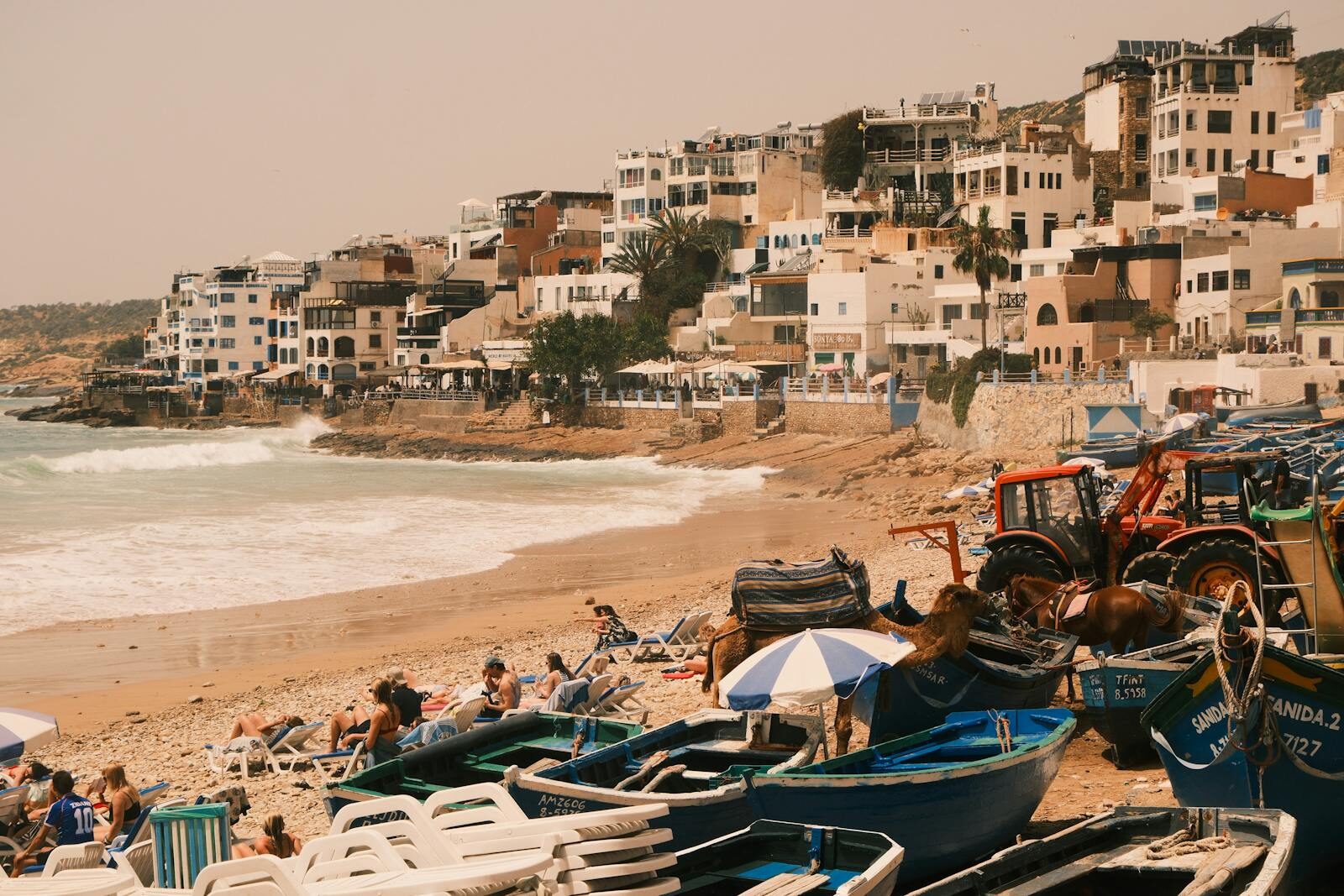
Two Villages, 3 km Apart, Two Different Surf Vacations
On a map, Taghazout and Tamraght are almost the same place. They sit on the same Atlantic coast road, three kilometres apart, both about twenty minutes north of Agadir, both lined by the same volcanic cliffs and the same long winter swell. Surfers who haven’t been here often treat them as interchangeable — “I’m staying in Taghazout” sometimes means a camp in Tamraght; “I want to surf in Tamraght” sometimes means a day-trip from a Taghazout hostel up the coast.
They are not interchangeable. Spend a week in each and the difference is obvious by the second morning. Taghazout is a dense, walkable old fishing village that has rebranded itself, hard, as Morocco’s surf town. Tamraght is a smaller, sleepier, hillier place where most of the surf scene happens inside the gates of dedicated camps rather than out on the street. The waves you’ll surf are different. The cafés you’ll eat in are different. The kind of trip you’ll come home from is different.
This is a working comparison of the two, dimension by dimension, written for someone trying to pick one for a one-to-two-week 2026 surf trip. For the broader regional context — Agadir city versus the surf coast as a whole — we’ve covered that separately in Agadir vs Taghazout: where should you stay?. For the pillar on the surf village itself, see our complete Taghazout 2026 guide.
What Each Village Actually Is
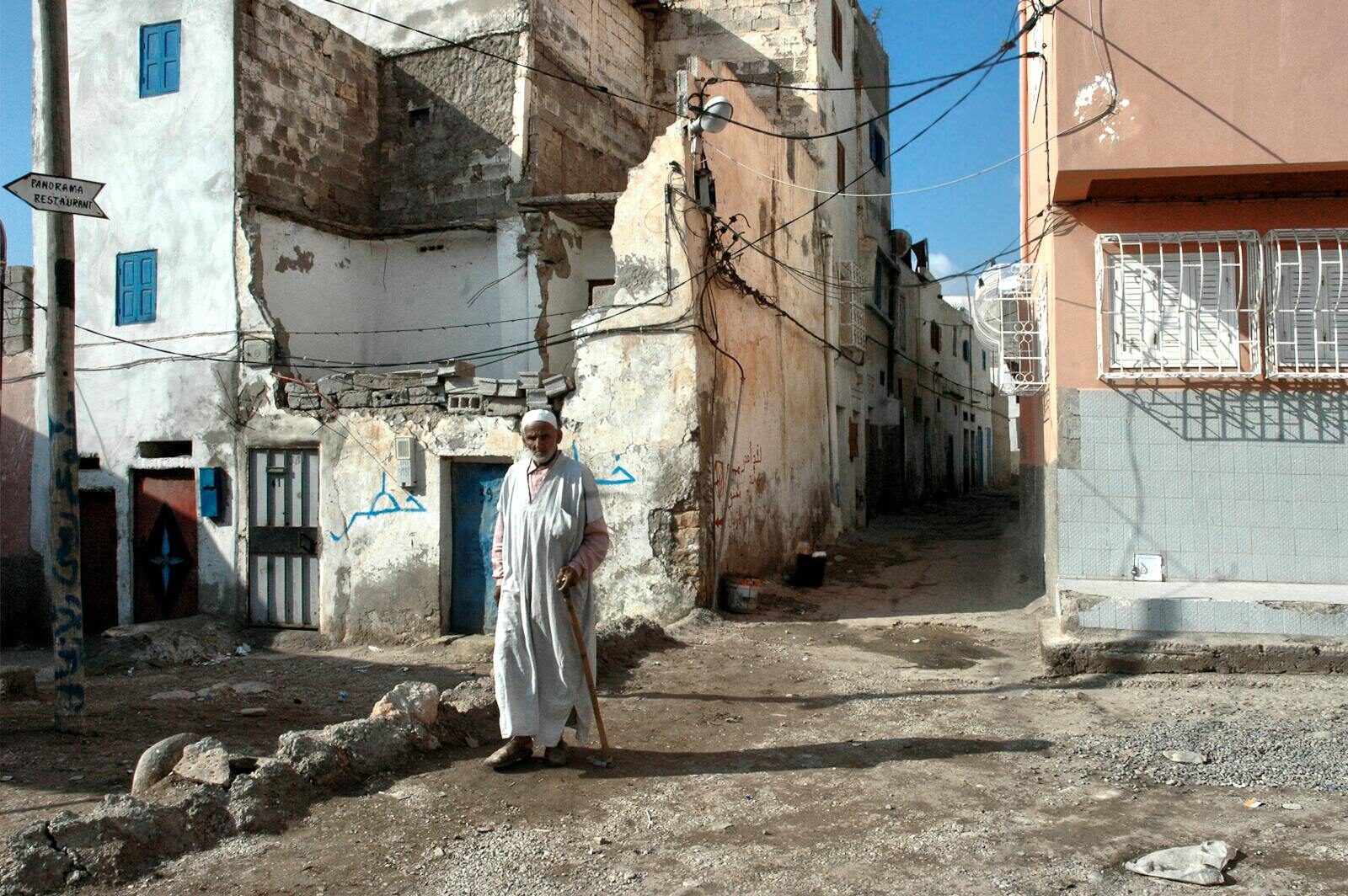
Taghazout is a tight, knuckle-shaped old Berber fishing village built on a slope down to a working beach. Around 5,000 people live here year-round. The streets are narrow, mostly pedestrian inside the village core, lined with low whitewashed houses, surf shops, hostels stacked three and four storeys, and cafés on every corner. The blue-and-white paint is real local colour — fishermen still paint their boats the same blue every spring. The surf scene here grew up organically over twenty years; you can buy a wax bar, rent a 6’2”, book a yoga class, and eat a tagine within a hundred metres of the main beach.
It’s also visibly busier than it was five years ago. Winter days you’ll hear English, French, German, Portuguese, sometimes Russian — all in the same café queue. The village has not been gentrified in the developer sense (no Starbucks, no chain hotels inside the village), but the density of foreign-tourist infrastructure is high.
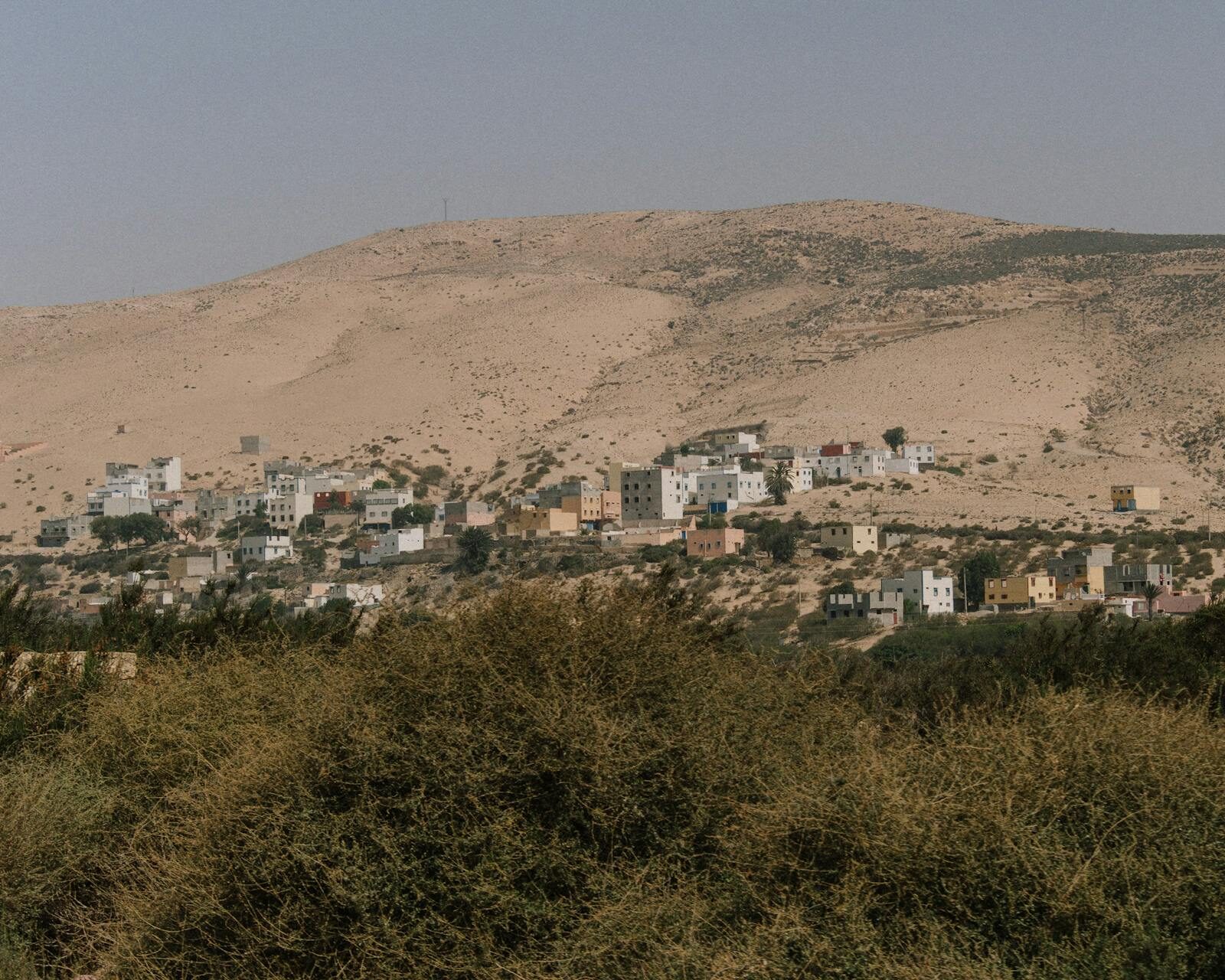
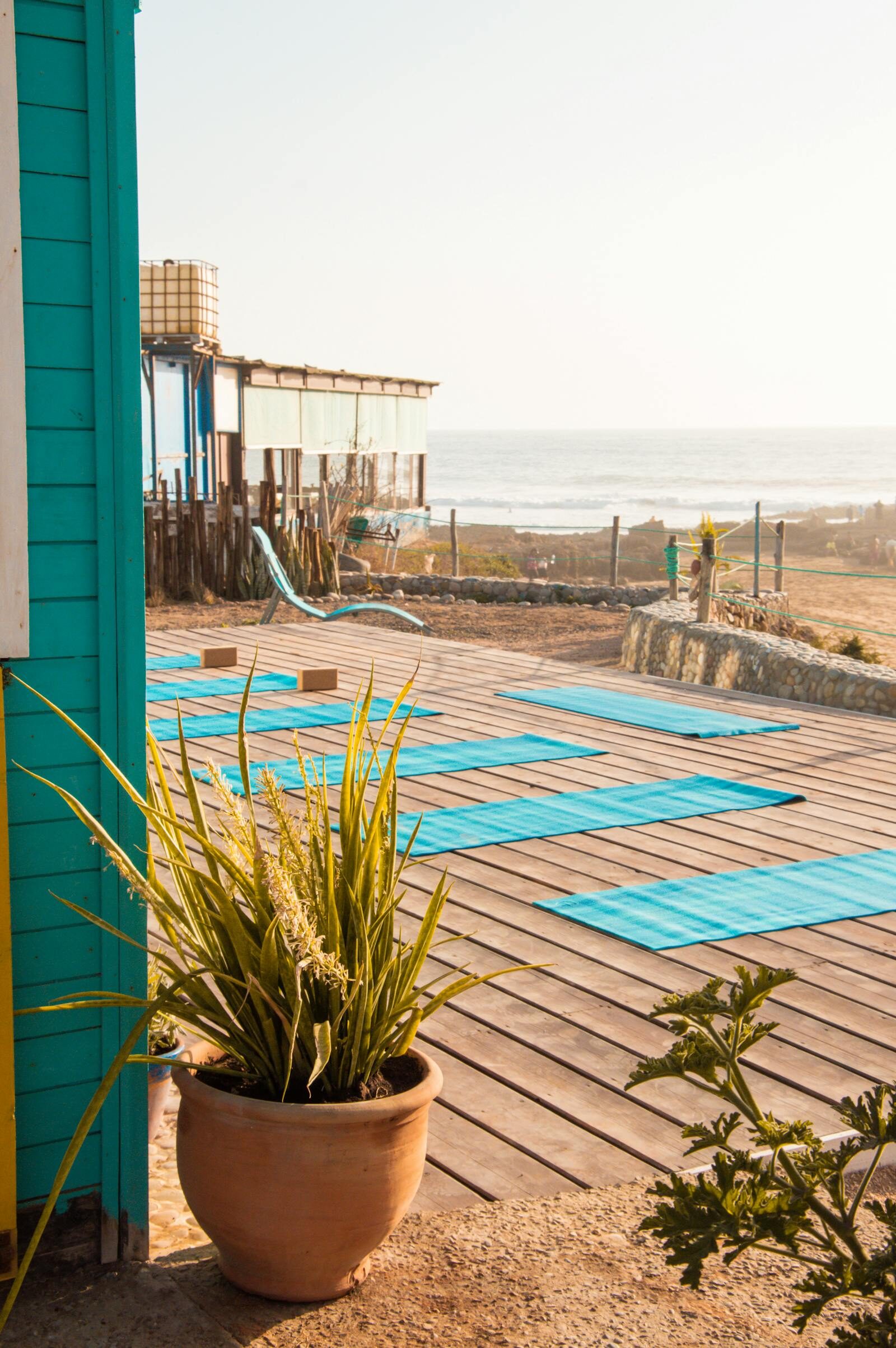
Tamraght is the village three kilometres south. It’s smaller — maybe 4,000 people — and feels it. There’s no real “old village core” in the dense Taghazout sense; Tamraght spreads out on a hill behind a wider beach (locally also called Banana Beach for the small banana plantation just inland). The surf scene exists, but it is mostly behind walls: dedicated surf-yoga camps, family-run guesthouses, a handful of cafés that mostly serve their own guests. You can walk through the centre of Tamraght and not realise it is a surf destination unless you know what to look for.
The short version: Taghazout is a surf town with a village wrapped around it. Tamraght is a village with surf camps inside it.
Wave Access
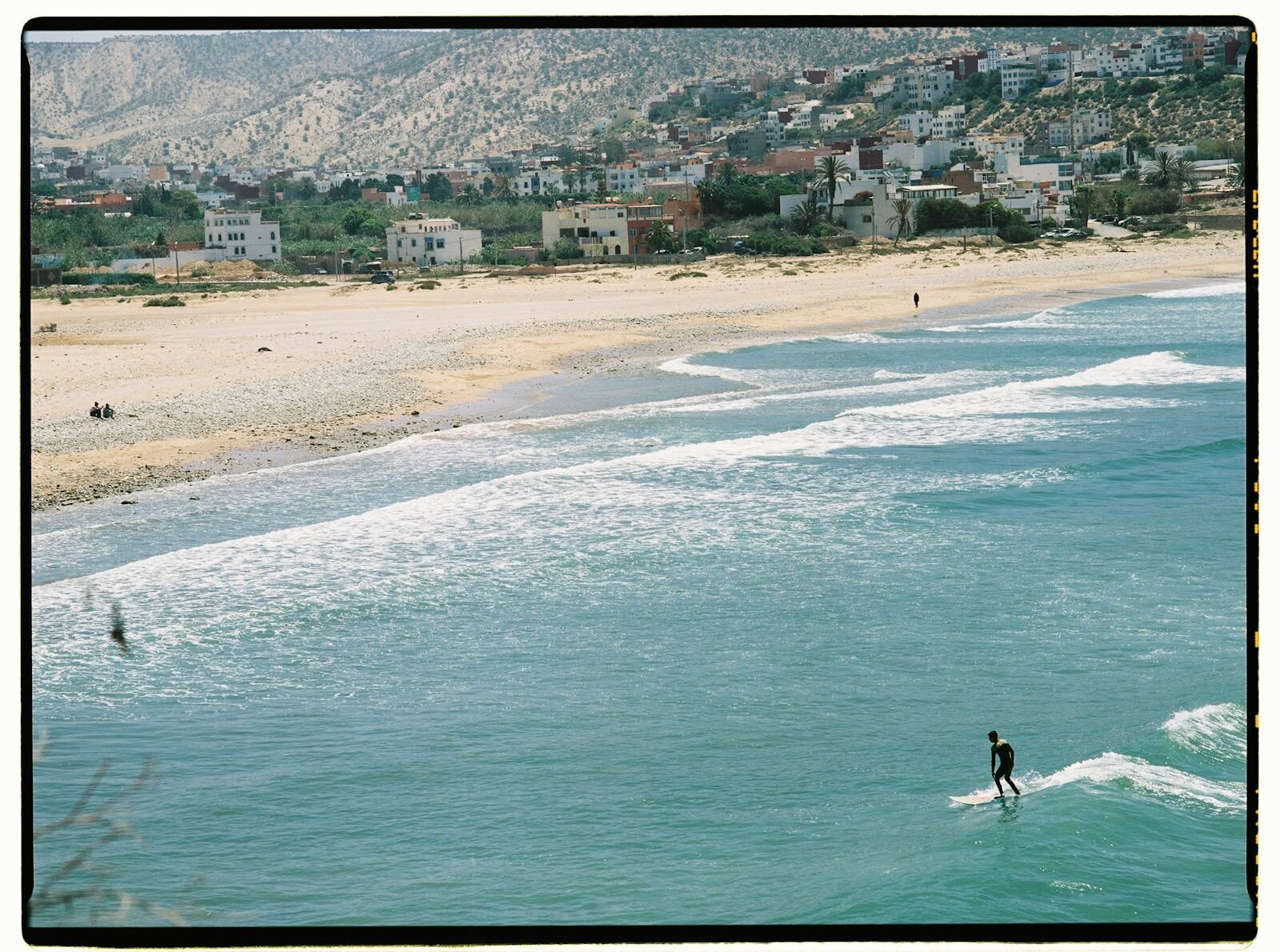
This is the dimension most travellers anchor on, and it’s also the most over-simplified.
From Taghazout, you have direct foot or short-taxi access to the famous Taghazout point breaks — Anchor Point, Hash Point, La Source, Mysteryland, Killer Point — that put this coast on the world map. Anchor is a fifteen-minute walk north along the shore from the village; Hash Point is right in the village itself, a literal sixty seconds from the closest hostels; Killer is further (a 10 dirham grand-taxi shared ride, or twenty minutes by bike). For intermediate-and-up surfers chasing the named breaks, Taghazout is the obvious base. We map each wave in detail in where to surf in Taghazout: every break explained.
From Tamraght, your immediate wave is Tamraght beach itself — a wide sandy beach break that handles small-to-medium swells well and is forgiving on beginners. It’s also less crowded than Taghazout village’s beach by a meaningful margin. The point breaks are still accessible (Devil’s Rock and Banana Point are walkable from Tamraght; Anchor is a 5–10 dirham shared taxi north), but you’ll do more travelling on heavier swells.
The practical version: if your trip is built around named point breaks, stay in Taghazout. If it’s built around getting comfortable on a soft beach break with the option to surf trip up the coast on bigger days, stay in Tamraght. For absolute beginners specifically, we cover the trade-offs in surfing for beginners in Morocco: the honest guide, and the seasonal breakdown matters more than the village choice for swell.
Accommodation
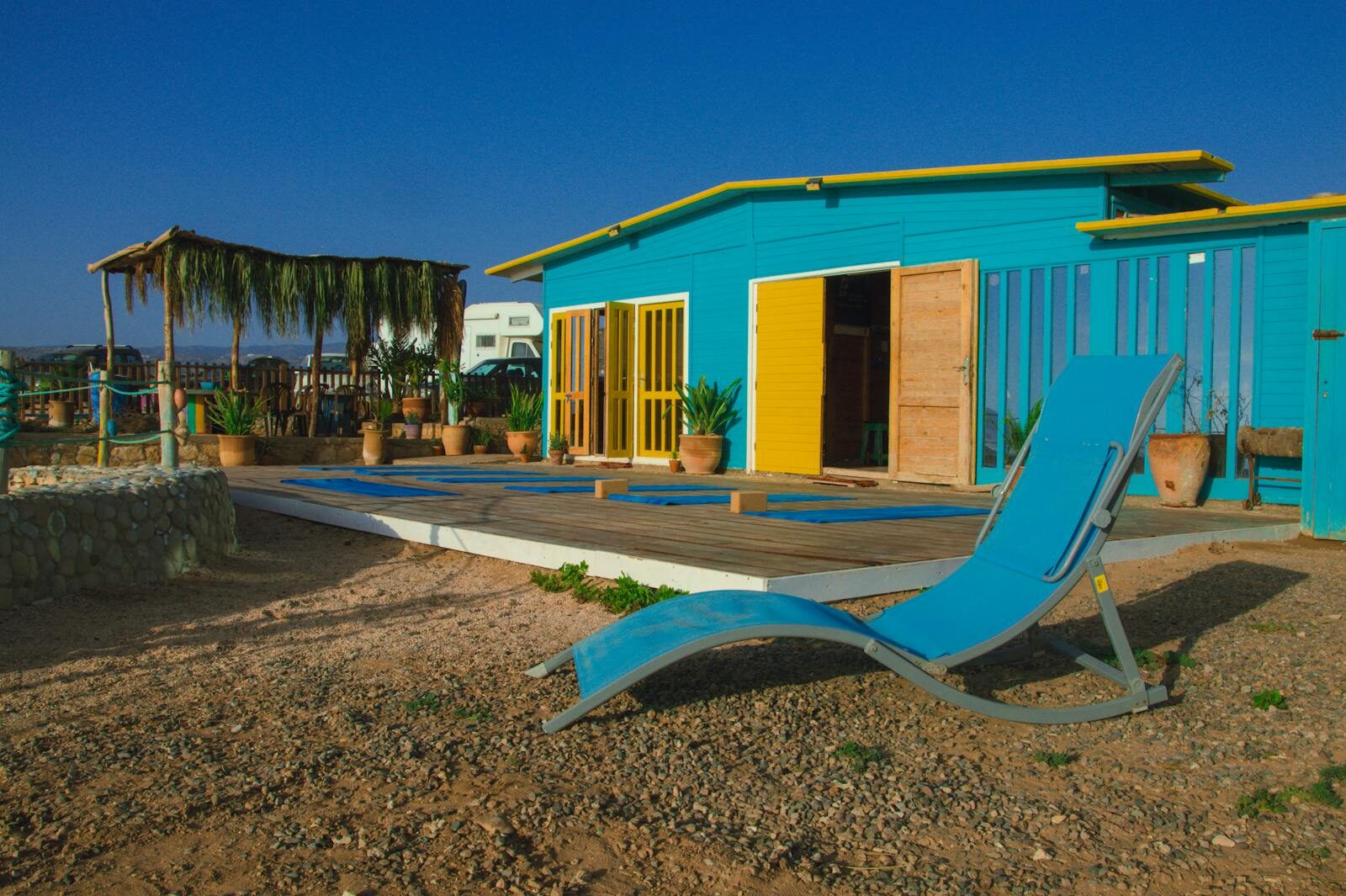
Both villages are saturated with surf accommodation, but the mix is different.
Taghazout leans hostel-and-budget-camp. The village’s density supports a long list of independent operators: Azoul Hostel and Roof House Hostel sit inside the old core for €15–25 a dorm bed; mid-tier surf camps like Locals Taghazout Surfcamp and Taghazout Waves Morocco Surf Camp run all-inclusive surf-and-stay packages from around €400–600 per week. You can also book everything à la carte — bed at one place, lessons at a school, breakfast on the corner — because the infrastructure is there to support it. Our Taghazout surf camps roundup covers the better-run options.
Tamraght leans yoga-surf-camp and family guesthouse. The signature Tamraght accommodation is the all-inclusive surf-yoga retreat — places like We Surf Morocco, Surf Berbere, Maroc Surf Camp, Soul Surf House, and Surf Coast Morocco Surf Yoga House. Most run weekly packages including dorm or private room, breakfast, dinner, surf lessons, and a yoga class or two. Standalone hostels are thinner on the ground here; à la carte is harder. If you’re the kind of traveller who wants the trip planned for you — bed, board, board, mat, transport to lessons — Tamraght is more set up for that.
For travellers looking at the luxury option neither of these covers, there’s a third bracket: the Taghazout Bay resort complex (Fairmont, Hyatt Place, Hilton Garden Inn, Radisson Blu) sits between the two villages on a manicured strip. It is not the same trip as a village stay. Taghazoutcamp’s Taghazout Bay resort comparison goes into more depth on the resort side than we will here. For a broader Agadir-region accommodation overview see where to stay in Agadir, Taghazout, and Tamraght.
Food
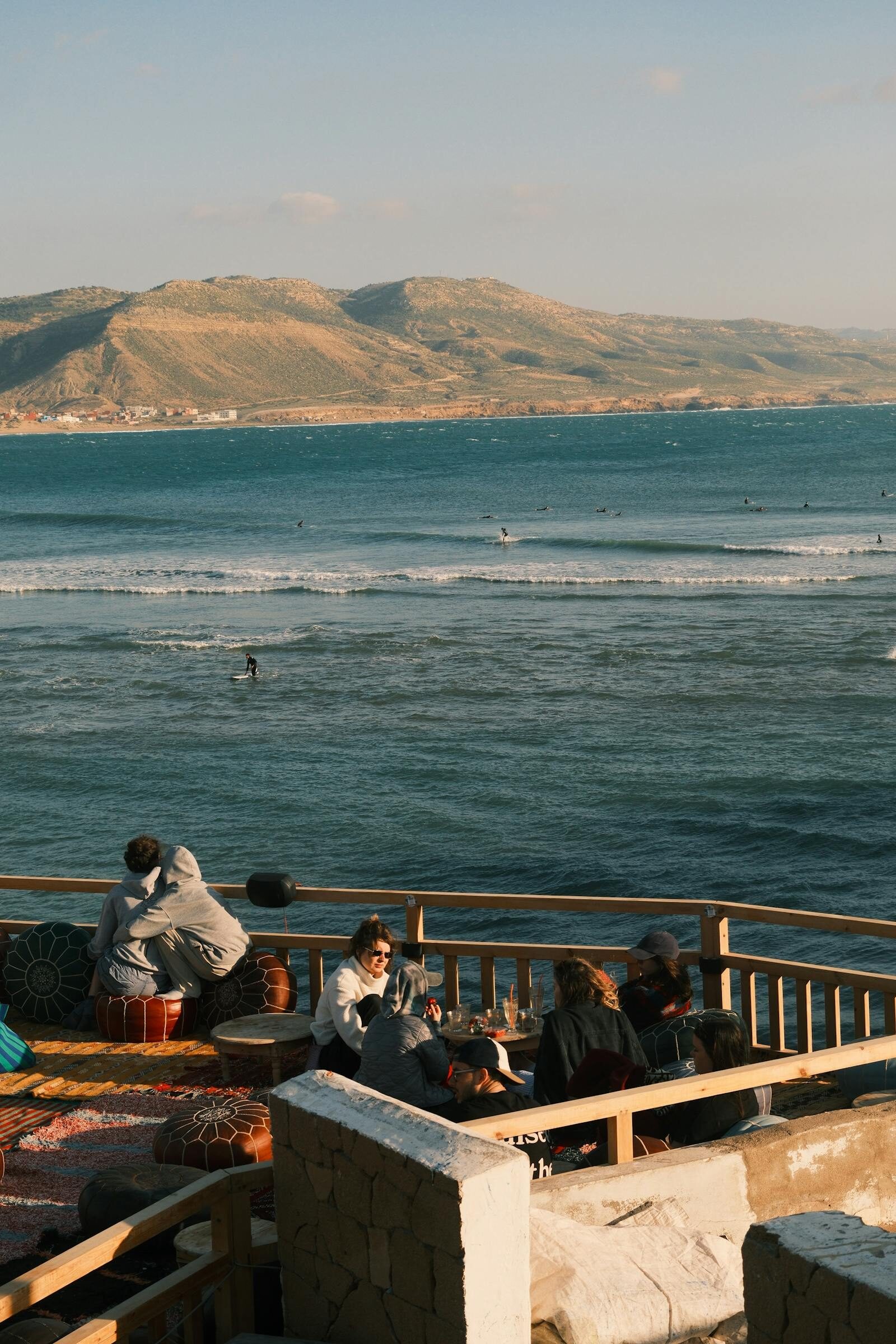
Taghazout has a real café scene. Walk five minutes in any direction from the central beach and you will pass: a surf-bowl café, an Italian-run breakfast spot, a smoothie bar, a couple of pizza places, several traditional tajine restaurants, a French boulangerie. Prices are tourist-coded — expect 60–100 dirhams for a smoothie bowl, 80–140 for a fish dinner — but the variety is genuinely useful for a longer stay. You can eat differently every meal for a week without leaving the village.
Tamraght has a thinner public food scene and most surfers eat at their camp. The handful of standalone cafés that exist are good (and noticeably calmer than Taghazout’s), but you’ll see the same five faces if you eat out every night for a week. Most yoga-surf retreats include two meals a day, which is intentional — Tamraght’s accommodation model assumes you’re inside the camp at meal times.
Cost works out broadly similar over a week, but the experience is different: in Taghazout you’ll spend more on cafés and have more variety; in Tamraght you’ll spend less on cafés and eat what your camp serves.
Vibe
The harder thing to put a number on.
Taghazout’s vibe is busier, more social, and more transient. Most stays are short — three to seven nights — so the cast of characters in the village rotates fast. The cafés around sunset are loud in a fun way; the hostel common rooms turn over a new group every Sunday; the village is full of people you’ve never met and won’t see again. If you’re a solo traveller who wants company in the evenings, this is the easier base.
Tamraght’s vibe is quieter and longer-staying. The yoga-surf camp model selects for guests who stay one to four weeks. You see the same faces at breakfast, on the beach, in the lineup. Conversations build over days, not minutes. Evenings are quieter — fewer cafés open late, no nightlife scene to speak of, more time spent on terraces and rooftops. If you’re travelling solo and you’d rather form a small group of friends than chat with a different person every night, this works better.
Neither vibe is the “right” one. They serve different trips.
Cost
On a per-night basis, the two villages are surprisingly close. Dorm beds run €15–25 in both. Private rooms in small guesthouses run €25–45 in both. All-inclusive surf-camp weeks run €400–700 in both. The cost difference, when it appears, is in what you spend outside accommodation.
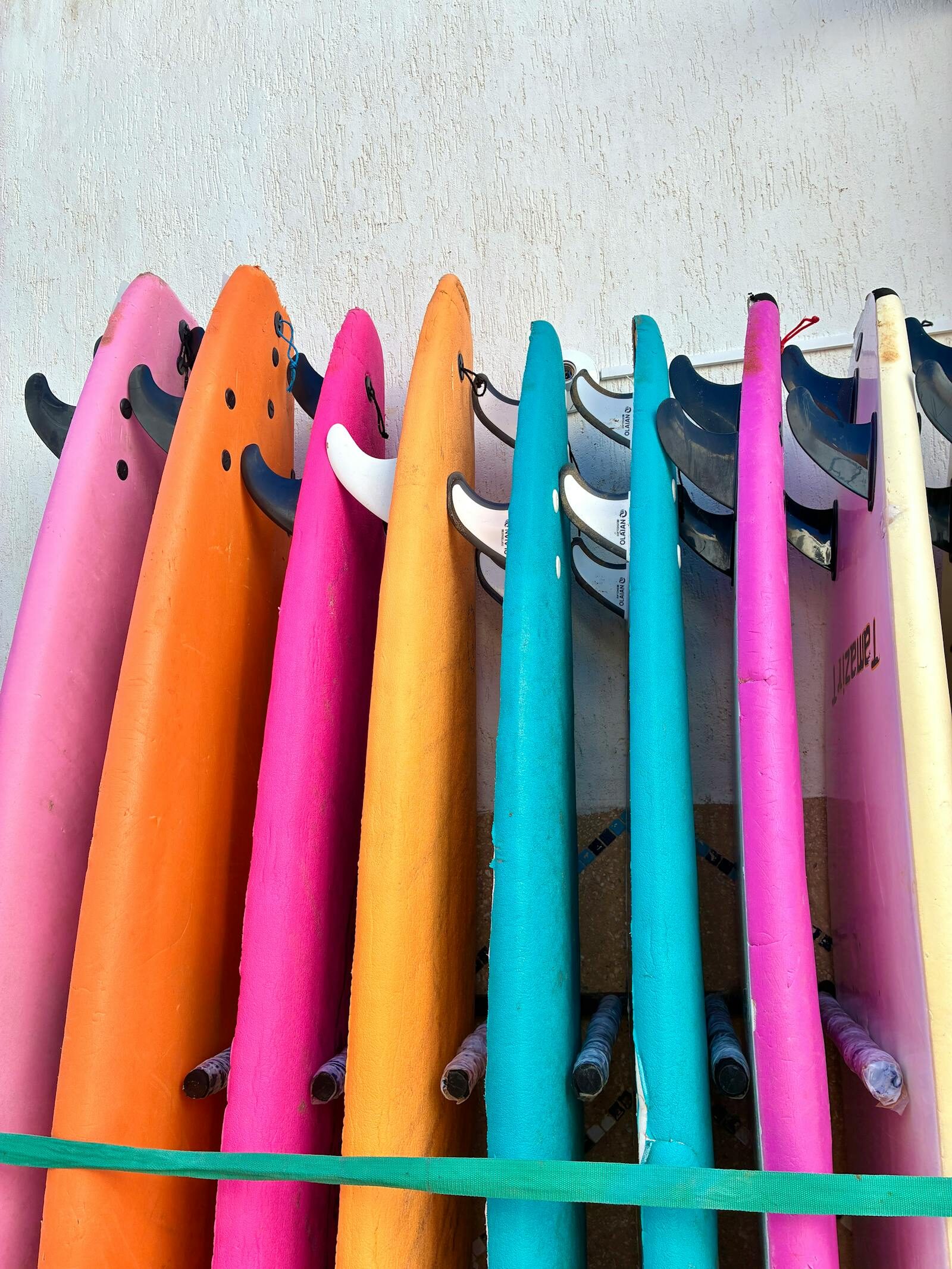
In Taghazout you’ll typically spend more on food and small extras. The café scene encourages it; the variety makes it easy to drift from one breakfast spot to another. Surfboard rental at a shop runs about 100–150 dirhams a day. A two-hour group lesson runs 250–400 dirhams. A coffee runs 15–25 dirhams; a smoothie bowl 60–100. Across a week, expect to spend an extra 800–1,500 dirhams (€80–150) on incidentals beyond your bed.
In Tamraght more is bundled into your camp price. Board rental is often included; meals are often included; lessons are often included or available at a small surcharge. The total trip cost can come out lower for the same comfort level — but you trade flexibility for the bundling. If you want to skip a lesson and surf alone, you’ve still paid for it.
Cash works in both villages — the dirham economy still rules — but cards are increasingly accepted at the better cafés and camps in both. ATMs are present in both (more reliably in Taghazout).
Getting Around
Taghazout is walkable. The village core is small enough that everything important — the beach, the schools, the cafés, the bus stop, the grand-taxi rank — is within a five-to-ten-minute walk. You won’t need a car or even a daily taxi. For trips up the coast (Anchor, Killer, Imsouane), shared grand taxis run from a fixed rank in the village for 5–20 dirhams a seat.
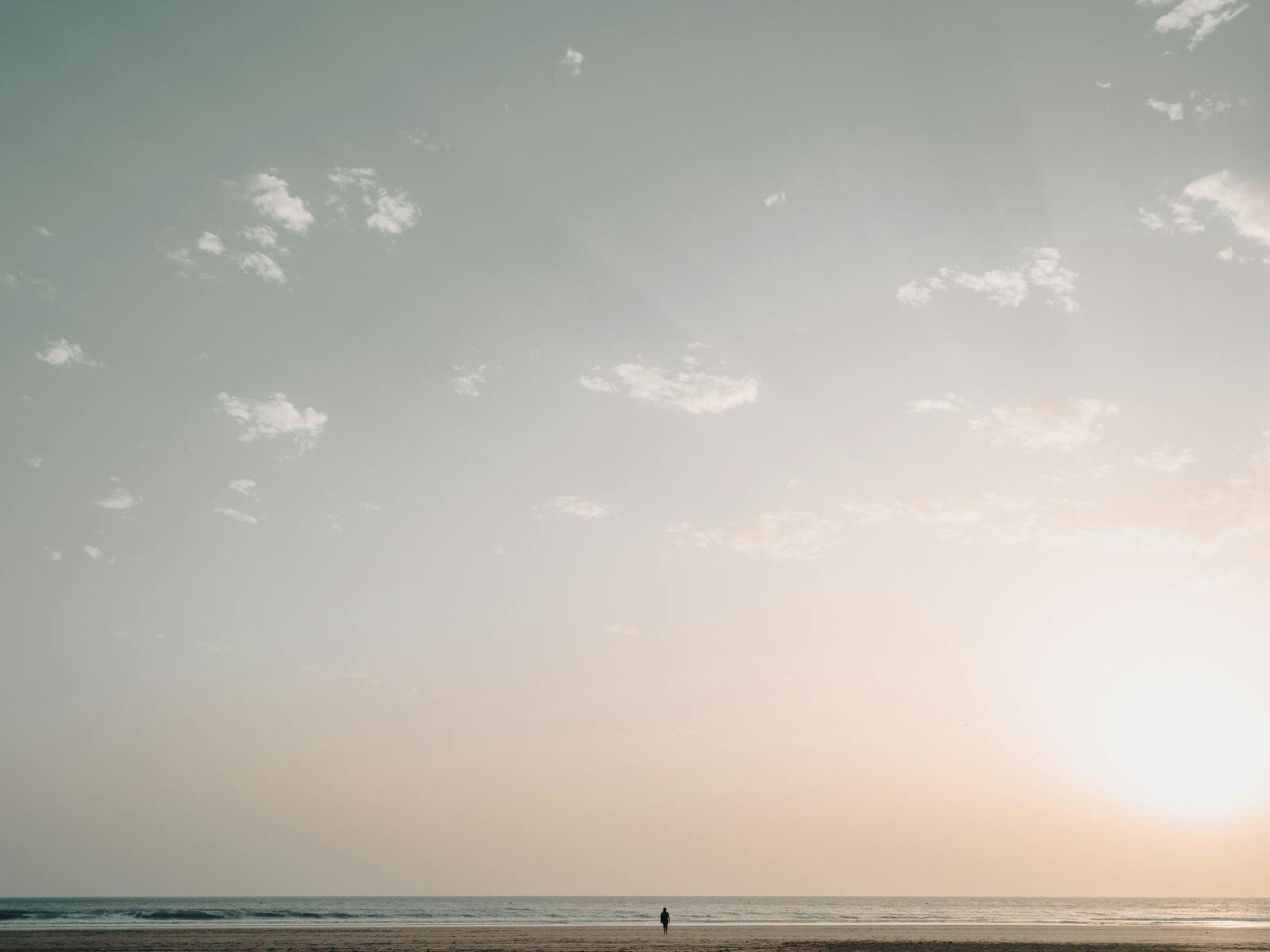
Tamraght needs more walking or short taxi rides. The village is spread out on a hill; the beach is at the bottom; many camps are at the top. A daily 5–15 minute walk down to the lineup and back up afterwards is normal. For trips up the coast you’ll grab a taxi from the road. Nothing is hard — but Tamraght is not as effortless as Taghazout’s “everything in a four-block radius.”
For arrival from the airport, both villages are 20–30 minutes north of Agadir Airport (AGA); the practical guide is how to get from Agadir Airport to Taghazout — the same advice applies to Tamraght with a 3 km adjustment.
Who Should Stay Where
The honest decision matrix:
Stay in Taghazout if:
- You’re an intermediate-or-better surfer chasing the named point breaks.
- You want walking access to a busy café and food scene.
- You’re a short-stay traveller (3–7 nights) who wants social density.
- You prefer to book bed, board, and lessons separately and have flexibility day-to-day.
- You’re a solo traveller who likes meeting a new room every couple of nights.
- The classic Taghazout-village hostels — Azoul, Roof House, Locals Taghazout Surfcamp — are exactly what you imagined.
Stay in Tamraght if:
- You’re a beginner or returning surfer who wants a forgiving sand-beach wave at your door.
- You’re booking a one-to-three-week yoga-surf retreat where everything is included.
- You’d rather form a small group of stable companions than meet a rotation of strangers.
- You’re travelling with a partner or in a small group and want a quieter evening atmosphere.
- You want to be near a wide beach for non-surf time (long walks, swimming, sunset).
- Camps like We Surf Morocco, Surf Berbere, Maroc Surf Camp, Soul Surf House, or Surf Coast Morocco Surf Yoga House match your preferred trip style.
Honestly consider neither (and stay in Agadir city instead) if you’re combining a surf week with a city break, want a hotel pool and a proper city centre, or are travelling with non-surfing family. The Agadir corniche is closer than people think — see Agadir vs Taghazout for that case.
And honestly consider Anza — between Agadir and Tamraght — if you want a beginner-friendly wave with city amenities at hand. We cover the wave at Anza Beach separately.
One Last Honest Thing
The trip you imagine when you read “Morocco surf vacation” is probably some blend of both villages. The good news is they are three kilometres apart, so you can stay in one and visit the other — eat a lunch in Tamraght when you’re based in Taghazout; do an evening tagine in Taghazout when you’re based in Tamraght. A 5-dirham shared taxi or a 25-minute walk along the shore connects them.
But if you’re picking one base for a week or two, pick the one that matches your trip: Taghazout for the busier, walkable, café-rich surf-town experience; Tamraght for the quieter, retreat-style, beach-break-and-yoga experience. Both deliver a real surf vacation. Neither pretends to be the other. Pick honestly.
Keep reading
 practical
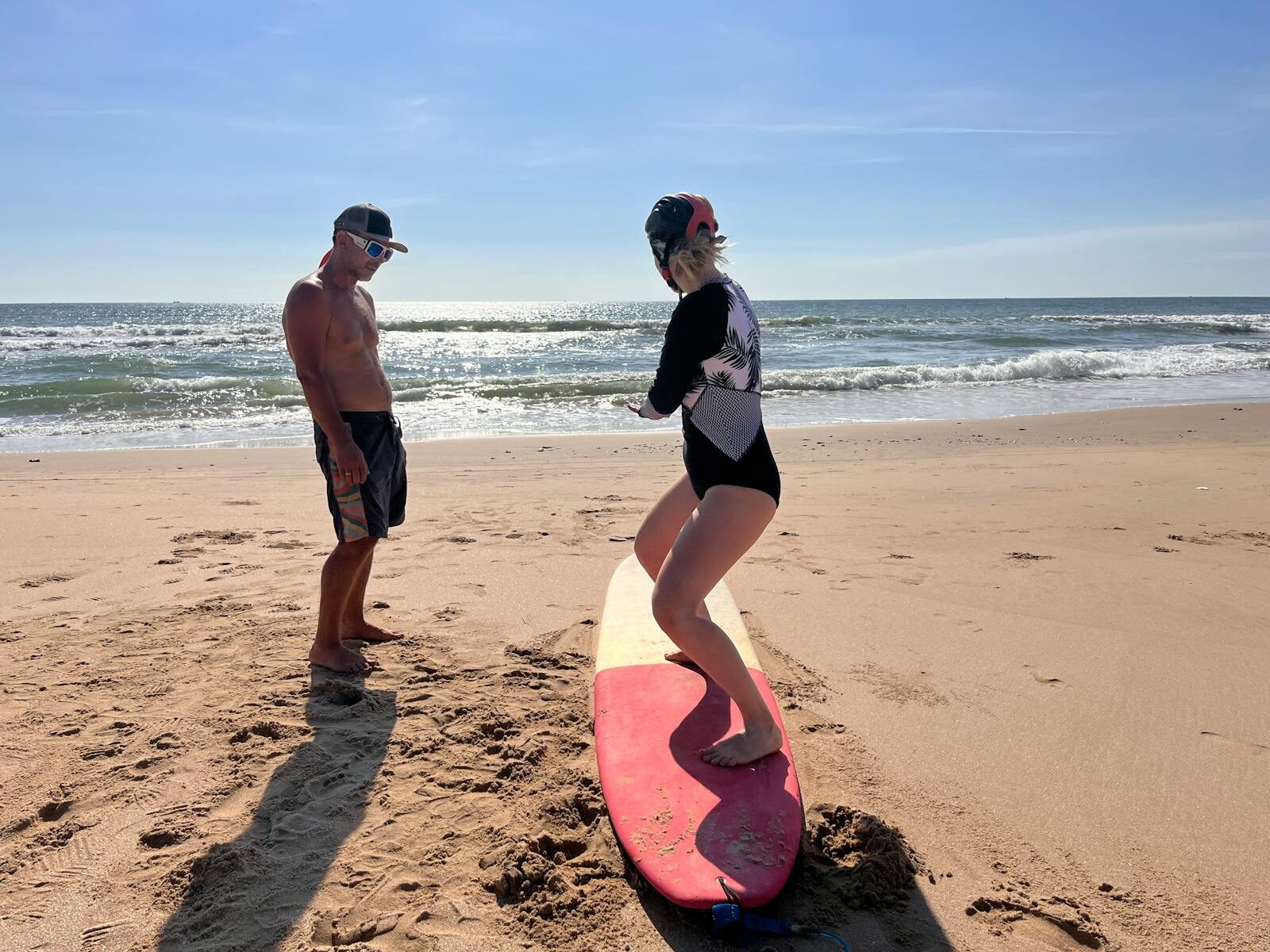
Surfing for Beginners in Morocco: Taghazout's Honest Reality 2026
A first-timer's honest guide to learning to surf in Morocco. The right breaks, the right week, the realistic costs, the surf-camps that actually teach beginners — without the brochure gloss.
 seasonal
Surfing in Taghazout by Season: When to Go for Your Level 2026
When to surf Taghazout depends on your level. An honest seasonal guide — winter for advanced surfers, summer for beginners, and shoulder months for the rest of us. Water temps, wave size, wetsuit thickness.
 practical
Where to Surf in Taghazout: Every Break Explained 2026
A working surfer's map of every named break between Anza and Imsouane — what each wave does, who it's for, when to skip it, and which board to bring. No hype.