Best Time to Visit Agadir 2026: Weather, Surf Seasons and Crowds
Plan your 2026 Agadir trip: best months for surf, weather, crowds and value. October-November sweet spot beats summer heat.

Best month to visit Agadir 2026
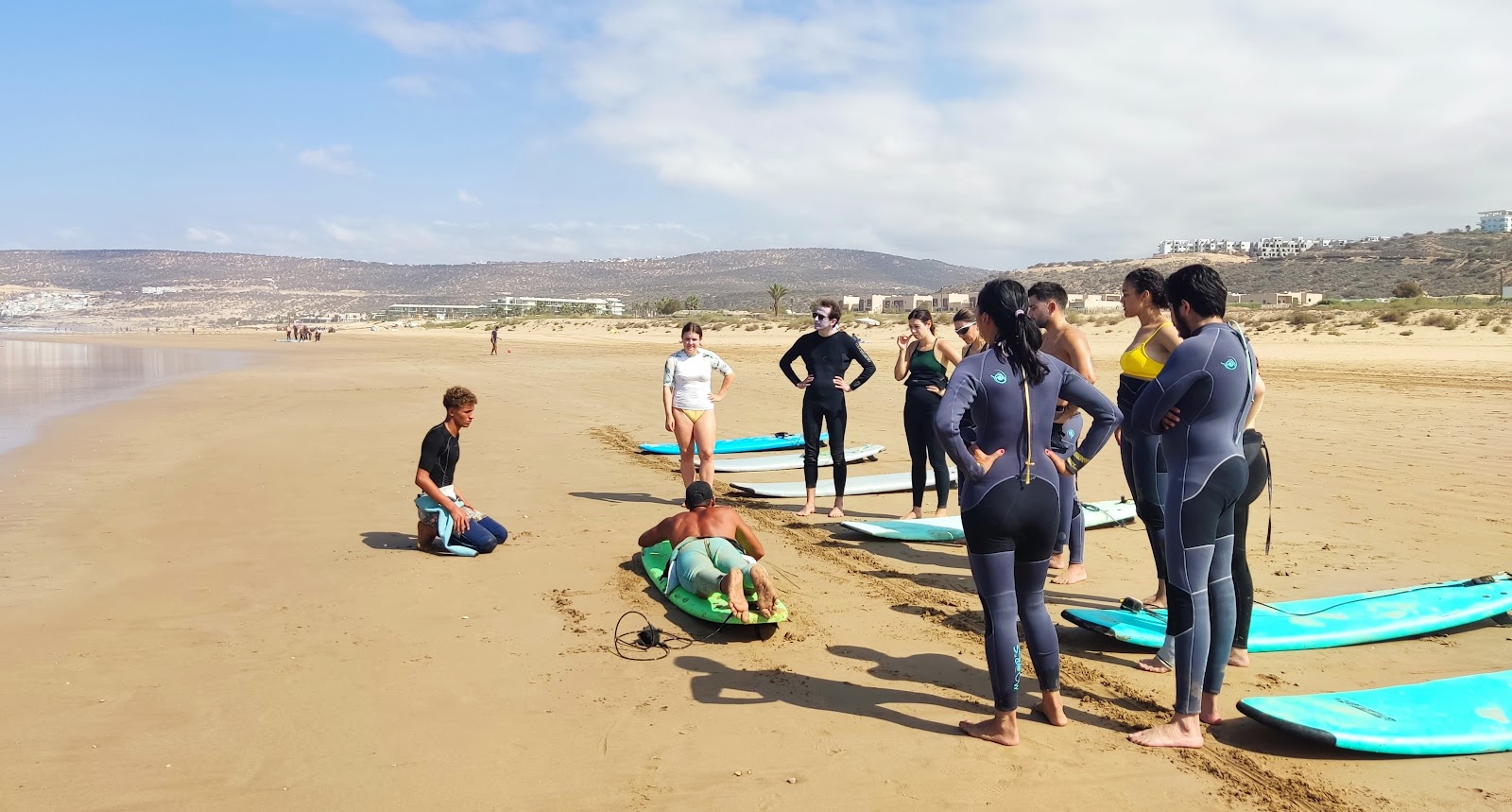
October and November are the real answer, though nobody seems to write about them. The air sits at around 25°C, the Atlantic is finally rideable after summer’s glassy flatness, and you won’t be crushed by school holidays or European package tours.
January and February work too if you like it cooler (around 18°C midday) and don’t mind the odd rainy day. December is interesting—big winter swells arrive, but the village fills with surfers and prices climb. September is underrated: still warm, crowds are sparse, and you’re entering the swell window.
The months to genuinely avoid are July and August. Temperatures hit 28–30°C, hotels double their rates, and the beaches feel like budget airline hangars at gate closure. May and June are warm (24°C) but the sea is flat unless you’re a beginner.
Agadir weather December January
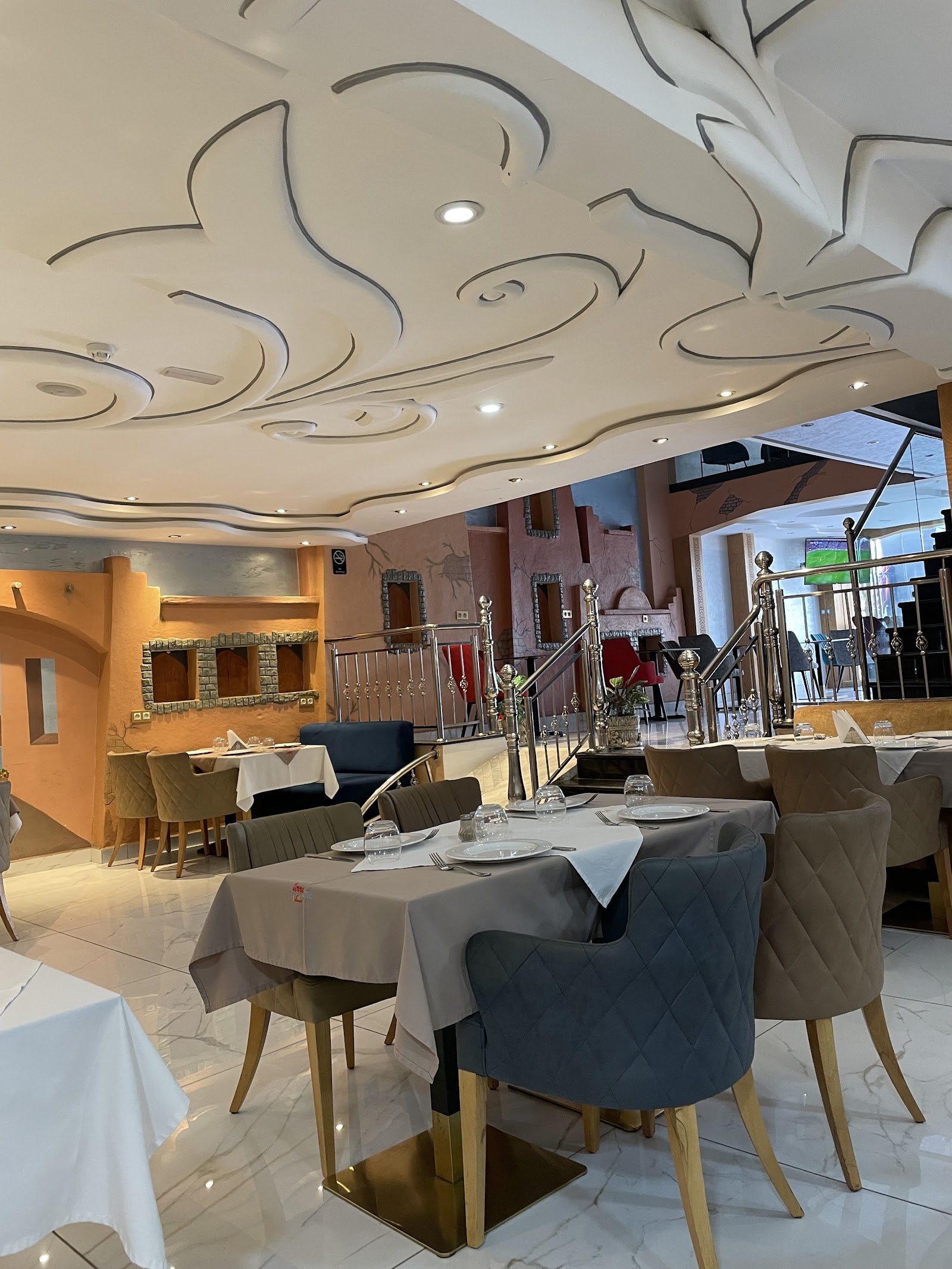
This is peak confusion season. Many travellers assume December and January are warm—they’re not, by North African standards. Expect 18°C at midday and around 13°C at night. It’s pleasant, dry sunshine for most days, but you’ll need layers. Rain is rare; November and February are the wetter months, though “rare” means a few days, not weeks.
The Atlantic takes longer to warm up than air does. Even in December-January’s cooler spells, the sea stays at 18–19°C, sometimes dropping to 17°C. Bring a 4/3 full wetsuit if you’re planning dawn patrol sessions. If you’re visiting for the scenery or food rather than surfing, the weather is ideal: sunny, crisp, and uncrowded.
The real advantage is value. January to early February (outside school holidays) is cheap. Hotels drop rates. Riads negotiate. The Corniche is yours, not the Instagram crowds.
Taghazout surf season 2026
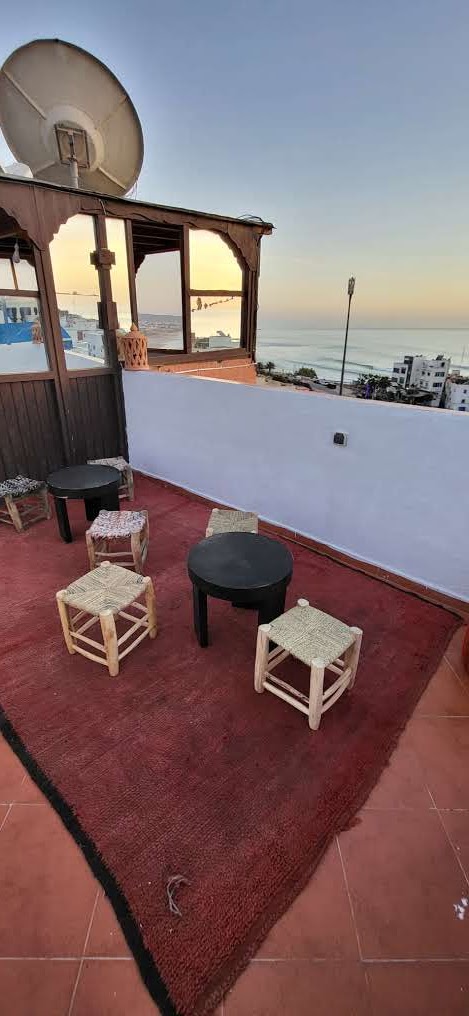
October to March is the official window. The North Atlantic swells wrap around Spain and push consistent waves into the Moroccan coast. October and November are the sweet spot: swells are regular, air temperatures are pleasant (25°C), and the offshore winds at dawn are reliable.
December and January can produce the year’s biggest waves, especially at the serious breaks. Anchor Point—a right-hand point that holds 300m+ rides on major swell—springs to life. Killer Point, one of Morocco’s longest waves, works in winter. Expect powerful, steep conditions. Not for hesitant paddlers.
February and March still see decent swell, but consistency drops. Wind picks up from March onward (the Alizé kicks in), closing out many breaks by midday. May through September is technically flat season for advanced surfers, though smaller, cleaner waves suit beginners learning on Hash Point or Mysteries.
April is a strange month: swells peter out, wind is onshore and strong, but it’s still warm. Most surfers treat it as a transition.
When to avoid crowds Agadir Easter
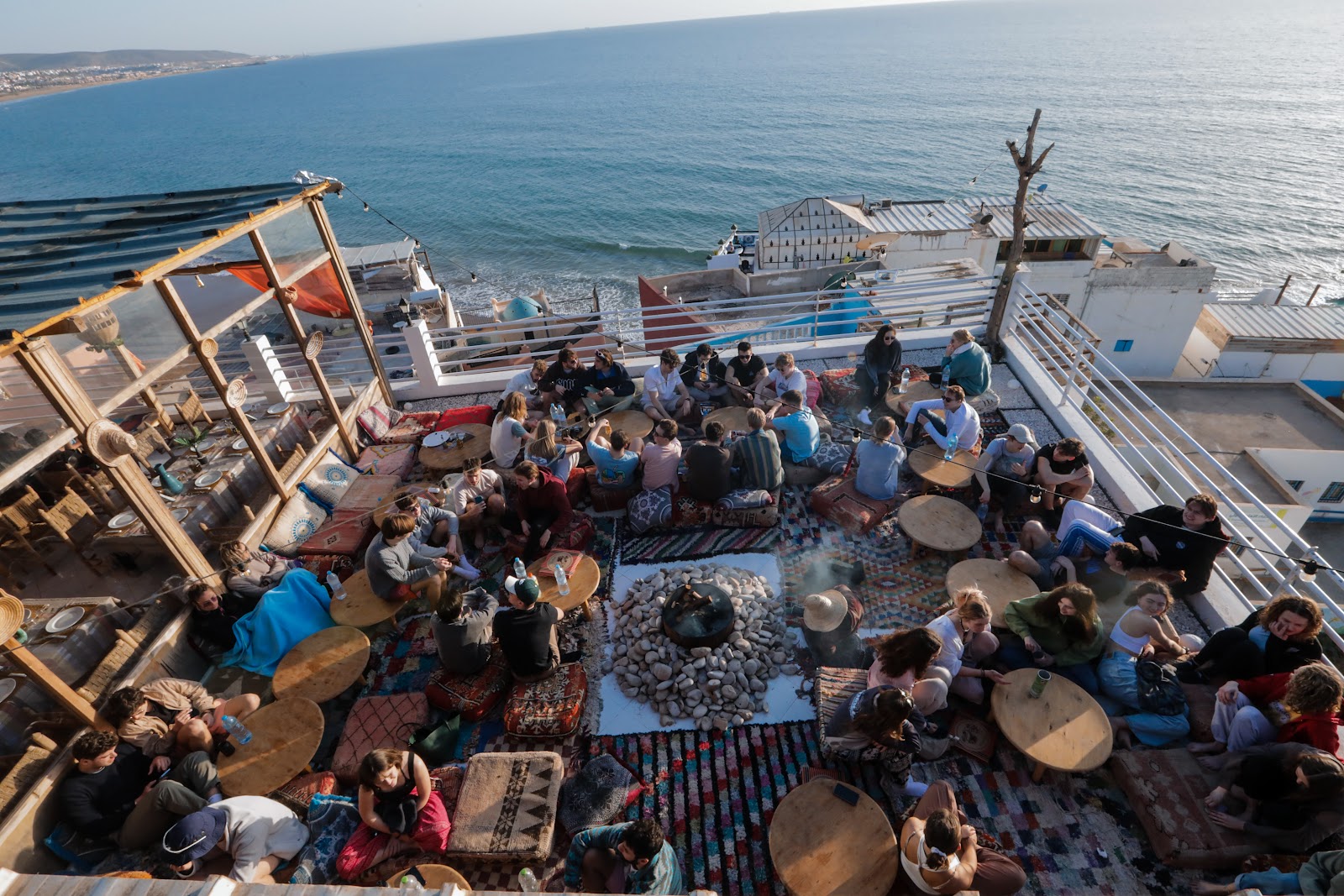
Easter 2026 falls on Sunday 5 April. The real invasion runs Thursday 2 to Monday 6 April, when UK, French, and Spanish families flood every hotel, riad, and beach bar. Prices spike. Restaurant queues stretch onto the street. The vibe shifts from local to tourist.
Christmas and New Year (roughly 20 December to 5 January) is the other crunch. That’s holiday season for half of Europe.
July and August aren’t just crowded—they’re expensive and hot. If you’re visiting for the culture or food, the crowds dilute the experience. If you’re surfing, wind and heat make it frustrating.
The sweet spots to avoid all three problems are early January (after New Year crush), February, May, June, and October. September is genuinely overlooked; the village is quiet, the water is warm (around 20–21°C), and autumn Atlantic swells are starting to roll in.
Cheapest time to visit Agadir

Value and crowd-avoidance overlap almost perfectly. January 6 through February is the cheapest window outside summer. Rates are low, restaurants aren’t packed, and you’re past the holiday markup. May and June are another good-value period: warm enough (24°C) to need only a boardshort or 2/2 shorty in the water, cheap accommodation, and fewer tourists.
October, despite being peak swell season, is not expensive—it’s just before the November price creep and the winter swell spike. Book early and you’ll find fair rates.
Avoid:
- Easter week (2–6 April)
- Christmas/New Year
- July-August
- Half-term weeks (varies by UK/France school calendars)
The currency works in your favour: 1 EUR converts to roughly 11 MAD, making even modest meals and beachfront cafés reasonable by European standards. Guest houses and small hotels negotiate better rates outside peak season.
Agadir summer July August weather

It’s hot and it’s touristy, and the combination makes August the month most people regret choosing. Air temperatures hit 28–30°C. The Atlantic stays cool (20–21°C), which sounds refreshing until you realise the shock of that jump makes every paddle-out feel like a plunge into ice. You’ll still want a boardshort or 2/2 shorty wetsuit.
The real problem is wind. Onshore breezes in summer flatten the best beach breaks and make point breaks messy. Anchor Point and Killer Point are playable only at dawn before wind destroys them. By mid-morning, many breaks are closeout soup.
The beaches are rammed with package tourists. The Corniche becomes a parade. Restaurants hike prices 30–50% higher than shoulder season. Yes, there are 300 days of sunshine per year in Agadir—but August captures the worst combination of heat, wind, and humanity.
If you must come in summer, arrive in early July before the full school holiday cascade hits, or plan a trip focused on the mountains and medinas inland rather than water time.
Taghazout sea temperature wetsuit
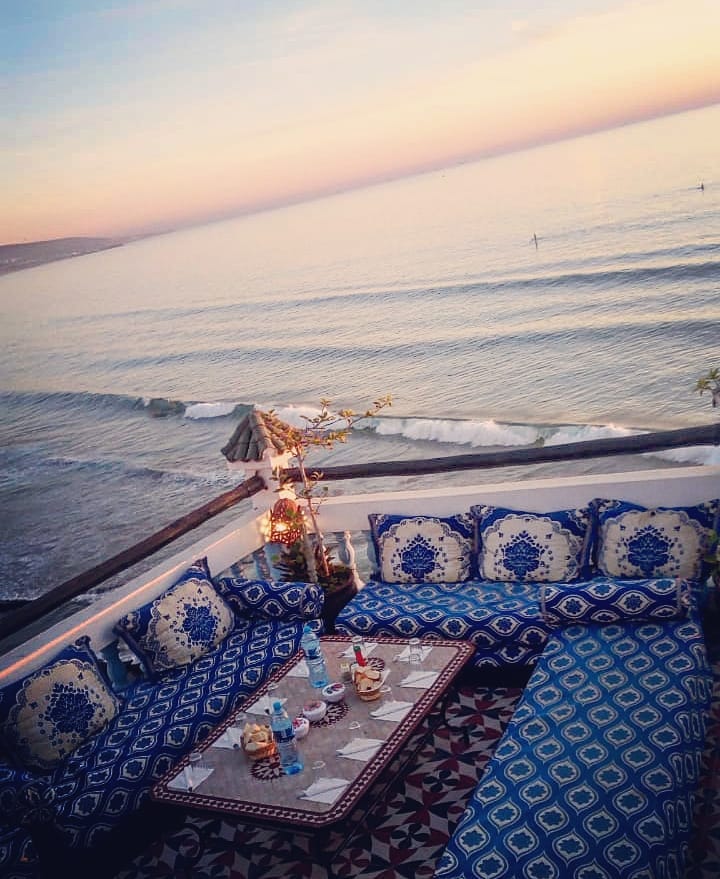
The Canary Current keeps the Atlantic cold year-round, and most travellers underestimate this. Even peak summer (July–August) only reaches 20–21°C. That’s not warm.
October–April: 3/2 full suit minimum. In December through February, when sea temps sit at 18–19°C (sometimes 17°C), most surfers shift to 4/3 full for anything longer than a dawn session. Without proper insulation, cold-water immersion sneaks up and halts your session mid-morning.
May–June and September: 2/2 shorty or 3/2 full. Water hovers around 18–19°C, still cool enough that a shortie feels thin by hour two.
July–August: Boardshorts or 2/2 shorty. Only technically necessary—many local surfers go boardshorts-only in summer—but the shock of 20°C water wakes you up fast.
Don’t arrive in October thinking “oh, it’s autumn, surely the sea’s warm” and pack only a shorty. You’ll be in the water at dawn, miserable by 6:45am, and back on shore by 7:30am blaming yourself. Bring the 3/2.
How to plan your Agadir trip for the best season
-
Decide your priority: swell or weather. If you’re a serious surfer, October–March is non-negotiable. If you want sunshine and warmth, May–June or September work. Compromise: October–November gives you both.
-
Check the school holiday calendar. Easter 2026 is 5 April (avoid 2–6 April). Christmas runs roughly 20 Dec–5 Jan. Look up your home country’s half-term weeks and treat those as danger zones for crowds.
-
Book accommodation outside peak weeks early. January 6–February has the best rates. Once you commit, riads and small hotels will negotiate further for direct bookings. Avoid booking July-August last-minute; prices won’t drop and stock runs dry.
-
Account for wind in your daily schedule. March–May brings strong onshore Alizé winds; plan dawn sessions at Anchor Point or Hash Point before 8am when wind kills the breaks. October–November offers more consistent light offshore conditions.
-
Pack a 3/2 full wetsuit if you’re visiting October–April, regardless of water-temperature charts you’ve read elsewhere. The Canary Current is not a myth. A boardshort-only trip in December is a trip that ends early.
-
Arrive on a Monday or Tuesday. Weekends bring day-trippers from Agadir City and Spanish tourists. Tuesday–Wednesday mornings are quiet at Hash Point and Mysteries. Thursday onwards picks up again.
FAQ
Is January a good time to visit Agadir?
Yes. Temperatures are mild (18°C midday), rain is rare, and prices are low outside Christmas-New Year weeks. The sea is 18–19°C, so bring a full suit. Best for surfers chasing winter swells at Anchor Point and Killer Point, or travellers wanting quiet beaches and uncrowded medinas.
What’s the water temperature in Taghazout?
The Canary Current keeps it between 17–21°C year-round. October–April: expect 18–19°C (some dips to 17°C in winter). May–June and September: 18–19°C. July–August peak: 20–21°C. Always colder than you expect. Budget for a proper wetsuit, not nostalgia about “warm African water.”
Should I avoid Agadir during Easter 2026?
Yes, if you dislike crowds. Easter Sunday is 5 April 2026; Thursday 2 to Monday 6 April will be packed. Hotels fill, prices spike, restaurants queue. If you’re visiting for surf and culture rather than tourism, skip this window.
When is the best swell season at Taghazout?
October to March. Peak consistency is October–November, when NW Atlantic swells wrap around Spain reliably and air temperatures (25°C) keep you comfortable. December–January produces the biggest waves but also the most surfers. February–March still works but becomes inconsistent. April–September is flat or beginner-sized.
What should I pack for a November trip to Agadir?
Layers for 25°C days and 13°C nights. A 3/2 full wetsuit (water is around 20°C). Sun cream—you’ll be in 300 days of sunshine. A light windbreaker for evening. No heavy winter coat needed. If hiking to Tamraght or the Anti-Atlas, a jumper handles cooler mornings.
Is summer (July–August) worth visiting Agadir?
Only if you hate quiet beaches. Temperatures hit 28–30°C, hotels double rates, and the onshore wind closes out breaks by mid-morning. The Corniche becomes a package-tour parade. May–June offers warmth without the crowds. September offers warmth with incoming swells and fewer tourists.
When is the cheapest time to book an Agadir trip?
January 6 through February, outside school holidays. May–June is also budget-friendly. October is affordable before November’s price creep. Avoid Easter (2–6 April), Christmas/New Year, and July–August. Book riads directly for small-season rates and negotiate stays of 5+ nights.
Keep reading
 experience
Best Hammam in Agadir 2026: Traditional vs Spa Guide
Find the best hammam in Agadir 2026—traditional Berber rituals or luxury spa treatments. Prices, etiquette, and where locals actually go.
practical
How to Get from Marrakech to Agadir in 2026: Transport Guide
Direct buses, private transfers and the A7 highway: how to travel from Marrakech to Agadir in 2026 without the tourist markup.
 experience
Is Agadir Worth Visiting in 2026? An Honest Take
Is Agadir worth visiting in 2026? An honest take on sun, safety, and whether it deserves your holiday over Marrakech or Taghazout.