Is Agadir Worth Visiting in 2026? An Honest Take
Is Agadir worth visiting in 2026? An honest take on sun, safety, and whether it deserves your holiday over Marrakech or Taghazout.
Is Agadir Worth Visiting in 2026? The Real Answer
The short answer: yes, but not for the reasons the postcards sell you.
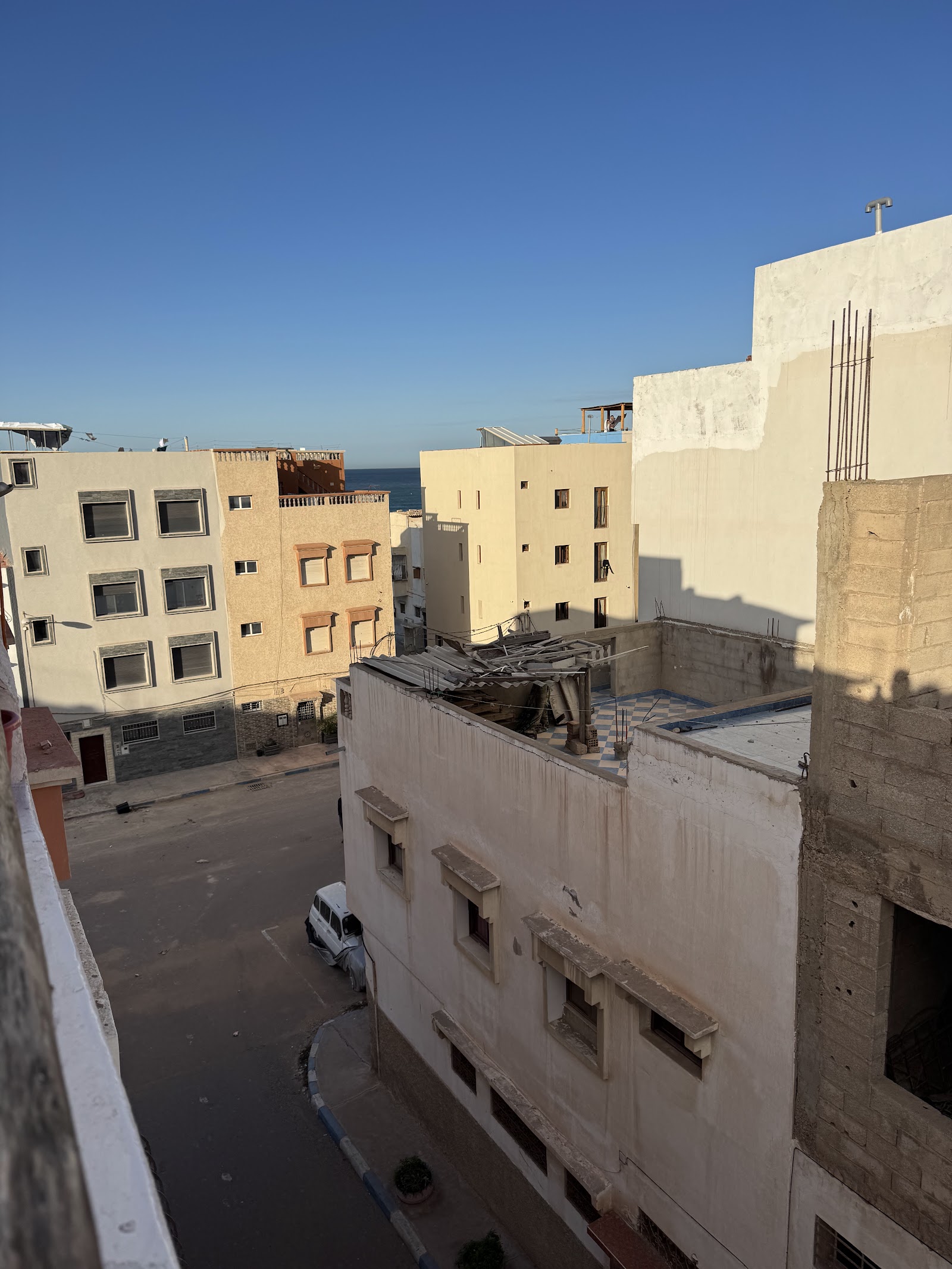
Agadir isn’t Marrakech. It isn’t Fes. It isn’t Chefchaouen. If you’re chasing the Instagram Morocco—the medina labyrinth, the riads, the ochre kasbahs—you’ll spend three days feeling like you landed in the wrong country. The city was levelled by an earthquake in 1960 and rebuilt as a grid-planned modern beach resort. No ancient souks. No historic kasbah interior. No donkey-and-lantern atmosphere.
What it is is reliable. Safe. Clean. Walkable. A place where you can dock for three or four days, get proper sun (300 days per year, mild Atlantic climate), eat without medina-merchant theatre, and launch into real Morocco—Tafraoute’s lunar rock formations, Paradise Valley’s gorges, the Souss-Massa reserve, the argan oil heartland—without pretending the city itself is the point.
For first-time visitors, families with young kids, winter sun seekers from the UK, Netherlands, or Germany, and anyone who wants to learn to surf without a ten-hour overland shuffle: yes, 2026 is worth the trip. For travellers obsessed with “authentic Morocco”? Book Marrakech. You’ll be happier.
What to Expect in Agadir: The Honest Inventory
The beach. Wide, sandy, uncrowded compared to European coastlines. Heavily developed—the Corniche is walled with hotels—but the seafront is genuinely walkable and low-stress. You won’t dodge touts every thirty metres like you would in a medina. The water in winter is cool but swimmable for most people.
The climate. This is Agadir’s real win. Low summer humidity. Mild winters. 300 days of sunshine. If you’re coming from a grey November in Amsterdam or a damp January in Birmingham, you’ll understand why European package tourism exists here. It works.
The streets. Grid-planned, easy to navigate, less “Morocco” feel than other cities. The neighbourhoods—Hay Mohammadi, Talborjt, the fishing port—have genuine working-class texture, but you won’t stumble into them by accident from the main tourist circuit. They’re there if you want them; invisible if you don’t.
The souks. Souk El Had is legitimate and less overwhelming than Marrakech’s medina. Carpet dealers, spice stalls, fresh produce. Fewer aggressive touts, more negotiating room. It’s not the “authentic Morocco” of travel mythology, but it functions. Go early, bring a basket, expect to haggle.
The all-inclusive problem. Package tourism is real here. Large swaths of the beachfront are cordoned hotel territory. If you’re looking for independence and local economy mixing, stay inland—or understand what you’re choosing.
Agadir for First-Time Visitors: Why It’s Actually the Right Move
Agadir is underrated as a Morocco entrance. Here’s why:
No medina labyrinth. Fes and Marrakech are magnificent and overwhelming. Agadir is neither—the city is navigable in an afternoon without a guide, without losing your sense of direction, without being hustled toward a “cousin’s carpet shop.” That matters if you’re jet-lagged or travelling with anxious people.
English works here. More reliably than in Meknes or smaller towns. Hotel staff speak it. Tour guides speak it. You won’t end up in a restaurant unable to order.
It’s a base, not a destination. The real Morocco—argan oil cooperatives, Berber Anti-Atlas culture, day trips to Paradise Valley, Tafraoute, Imsouane—radiates outward from Agadir. Three to four days here plus a two to three-day Marrakech trip plus a Sahara excursion is the honest itinerary. Agadir + Marrakech balances “easy entry” with “actual Morocco depth.”
Family logistics work. No labyrinth means no lost kids. The beach is safe. Hotels cater to young travellers seriously. You can swim, eat, rest without the sensory assault of a traditional medina.
Agadir Pros and Cons: The Unvarnished Split
Pros:
- 300 days of sun; mild climate; low summer humidity
- Safe, clean, walkable seafront
- Less medina hassle than Fes or Marrakech
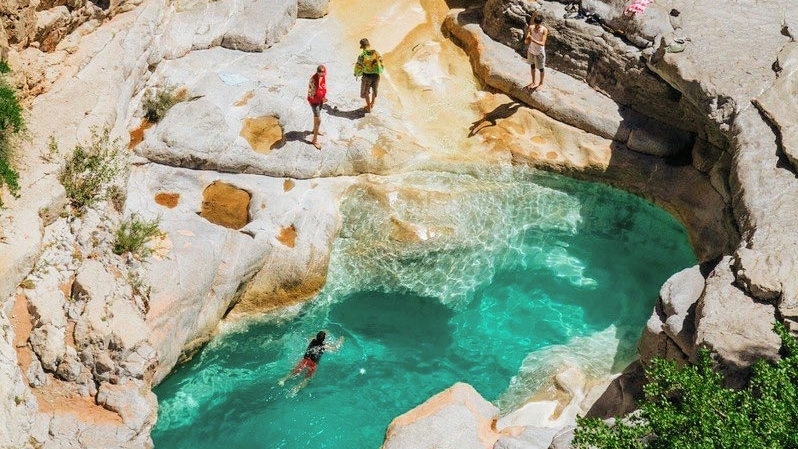
- Genuine day-trip radius: Paradise Valley, Souss-Massa, Tafraoute, Imsouane, argan oil region
- Surf access 20km north at Taghazout and Tamraght (Atlantic point breaks)
- Excellent base for Berber Anti-Atlas exploration
- English-friendly; easier for first-timers
Cons:
- Rebuilt city—no ancient medina, no historic kasbah interior
- Modern grid-planned streets; less “Morocco” atmosphere than Fes or Marrakech
- Beach heavily developed (Corniche is hotel-walled)
- All-inclusive package tourism dominates parts of the waterfront
- If you’re Instagram-hunting “iconic Morocco,” you’re in the wrong city
- Souk El Had is good but not Marrakech-tier
Agadir vs Taghazout for Non-Surfers: Where to Actually Stay
This question comes up constantly, and the answer depends on what you want.
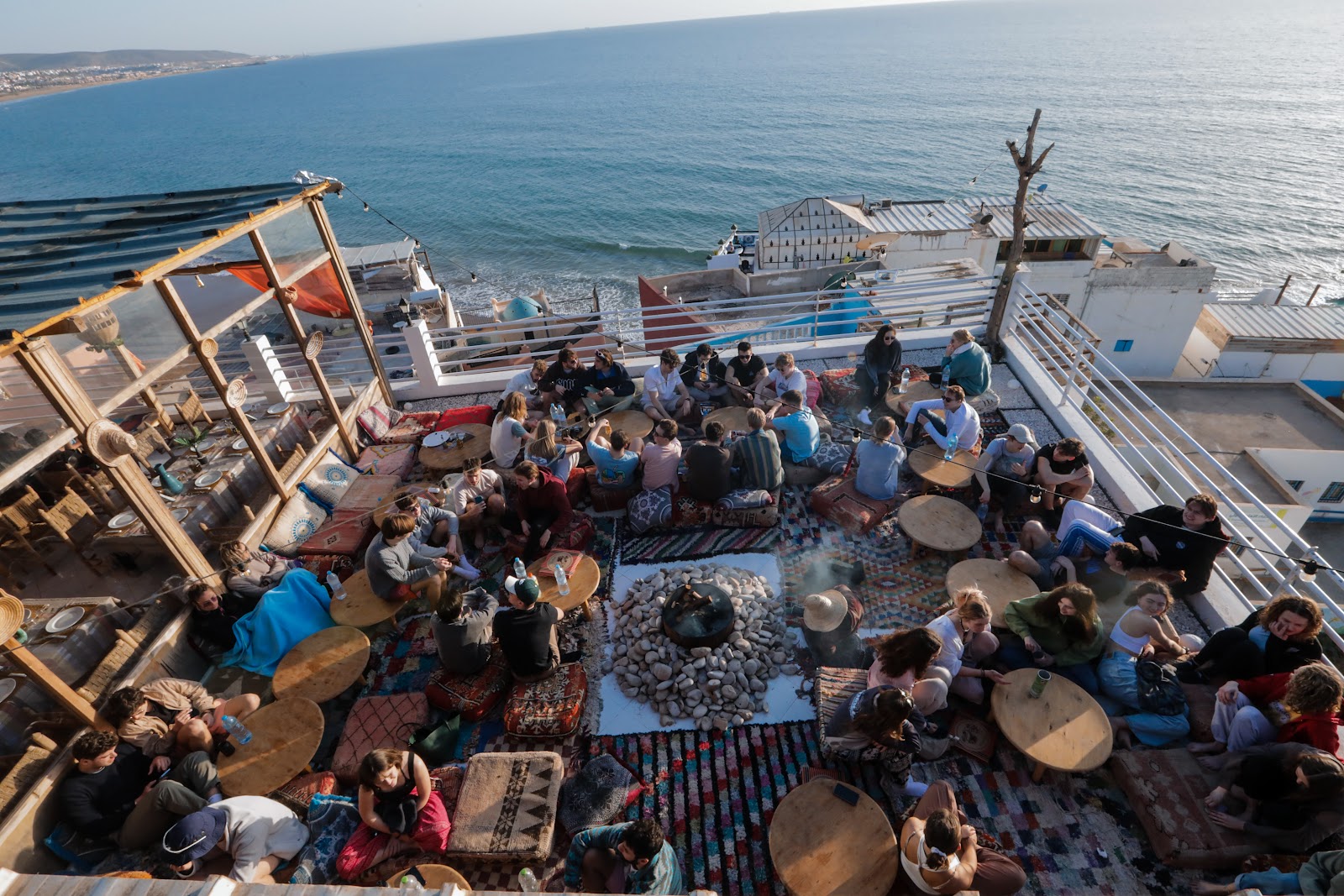
Taghazout: 20km north of Agadir. Coastal village aesthetic, tighter traveller community, strong backpacker infrastructure. The villages (Taghazout, Tamraght) feel more “alternative Morocco” than Agadir feels. Sunset walks on actual cliffs. Less sprawl. If you want to dock for a week and meet other travellers, it’s the move. If you’re learning to surf, there’s genuine tuition available—Surf Camp Taghazout has 159 five-star reviews consistently praising instructor patience and warmth, and they also run quad tours into the dunes with local tea and bananas included.
Agadir: Bigger city. More restaurant variety. Easier logistics (airport is closer, more tour operators, better transfer infrastructure). Better if you’re doing day trips and prefer hot meals after. Less “traveller bubble,” more ordinary Morocco mixed with tourism. If you’re bringing family or want ease over vibe, Agadir wins.
Non-surfers should pick based on pace. Want slow and communal? Taghazout. Want basecamp efficiency? Agadir.
What Is Agadir Like for Tourists: The Daily Reality
Morning: Coffee and pastry at a street café. Most do proper Moroccan breakfasts—bread, jam, cheese, olives, fresh juice—around 30–50 MAD. If you want Western cereal, you’ll find it at hotels, but that’s not the point.
Mid-morning: Beach or souk or shower. The Corniche is busy midday. Mornings or late afternoons work better if you want space.
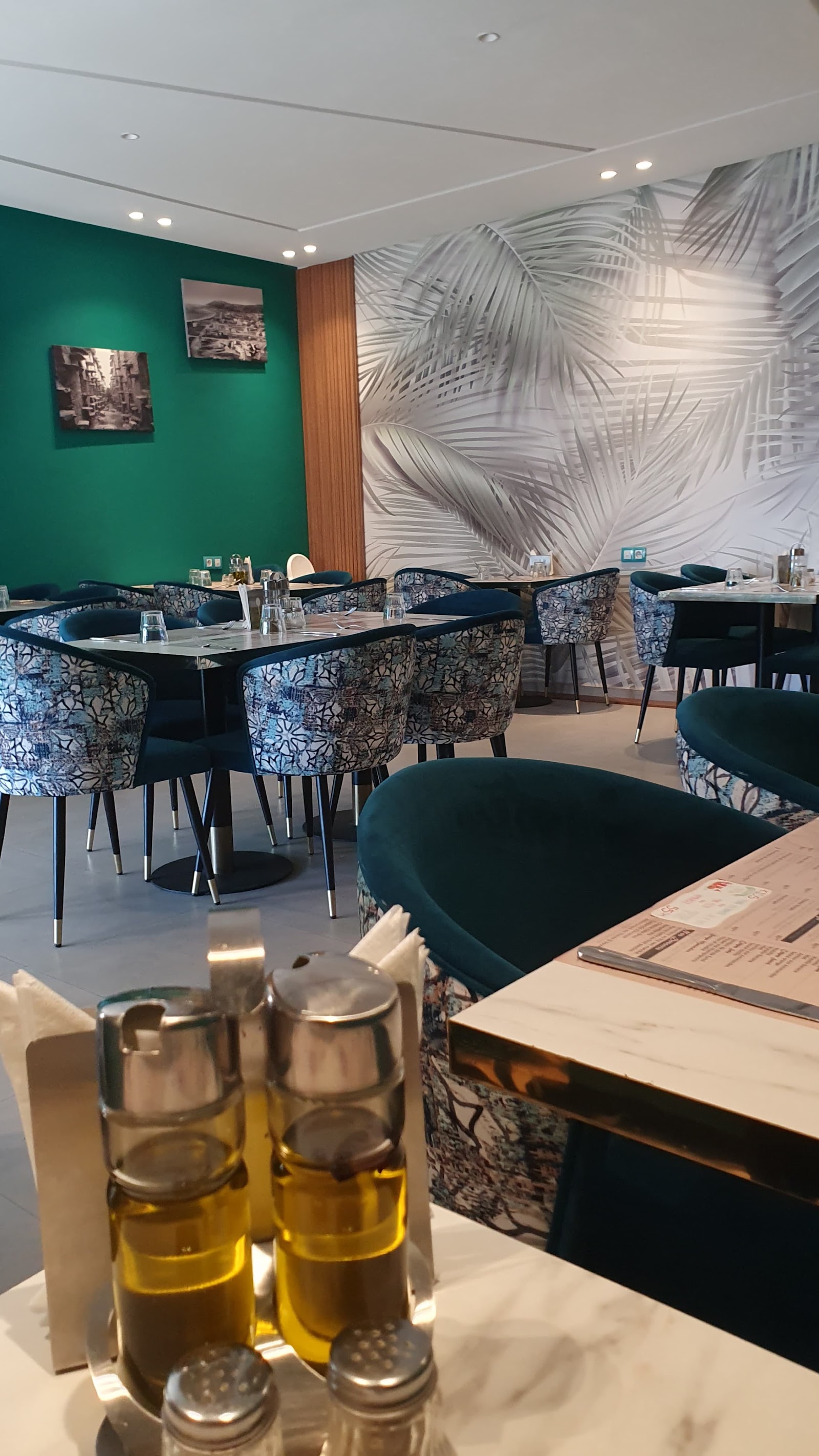
Lunch: Tagine is omnipresent and genuinely inexpensive. Benny’s Tasty (4.9★ on 1,672 reviews) does kefta tagine and meatball tagine consistently—customers note heat retention and flavour. A breakfast set runs 80 MAD; two people can split it. The piano and couches make it relaxed rather than transactional. Mediterranean spots like BB’s restaurant agadir (5.0★ on 79 reviews) exist; the vagueness around their specific dishes (staff get personal praise, food gets generic) suggests you’re paying for warmth and service competence rather than culinary revelation.
Afternoon: Day trip. Explore Morocco: Agadir Tours runs Paradise Valley, pottery workshops, camel excursions—reviews praise individual guides like Abdallah and Hamid, though the company vaguely advertises and books via WhatsApp rather than a public schedule. Agadir Attractions—primarily an airport transfer operator—also runs camel rides and local sightseeing and scores well on reliability (25 five-star reviews) and punctuality.
Evening: Sunset at the beach. Dinner. Hotel or bar. The Corniche gets tourists and expats. Hay Mohammadi and Talborjt—genuine neighbourhoods—get locals and less tourism theatre.
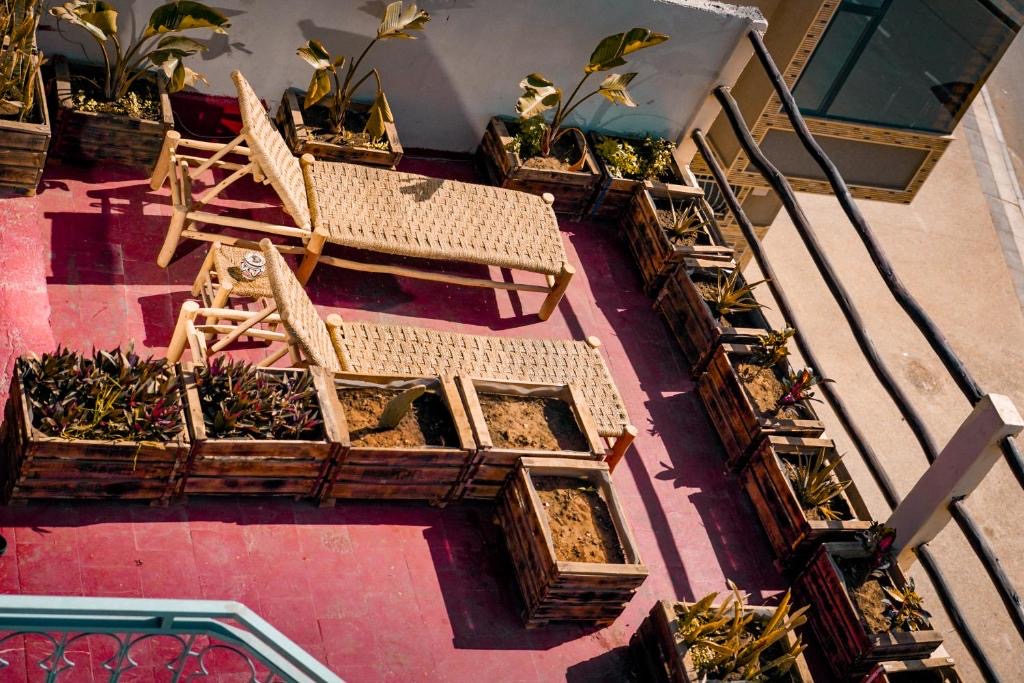
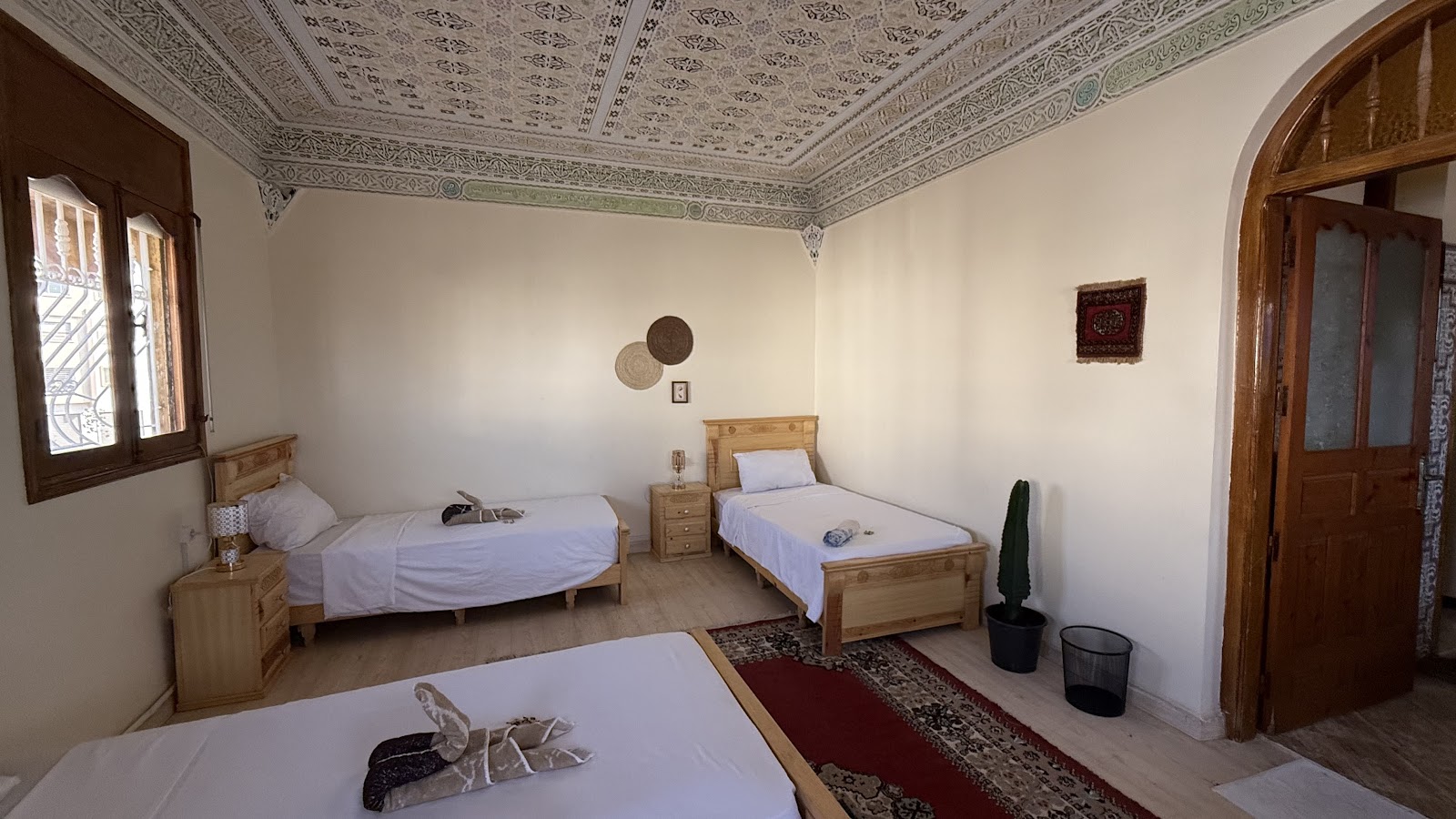
Accommodation: Stay inland if you want independence. Jurassic Surf House Anza (5.0★ on 74 reviews) in Anza sits steps from the beach without Corniche noise. The owner Rachid gets unprompted praise for attentiveness; the downstairs surf school (Ayoub runs it) removes friction if you’re learning. Breakfast is substantial traditional Moroccan. Reviewers consistently mention staying longer than planned and meaning it when they say they’re coming back. It’s small, books fast, depends on who’s there—not a party hostel, more a place where people actually slow down.
How to Plan a Worthwhile Agadir Trip in 2026
Step 1: Decide your pairing. Agadir works best with a second city. Three to four days in Agadir, then two to three days in Marrakech or a Sahara excursion, or both if you have two weeks. Don’t spend a full week in Agadir unless you’re a dedicated surfer or genuinely need beach recovery time.
Step 2: Book accommodation inland. The Corniche is convenient but noisy and expensive. Stay in Anza or central Agadir—closer to streets, cafés, and actual life. Jurassic Surf House Anza works if you want community; look for riads or guesthouses in quieter neighbourhoods if you prefer independence.
Step 3: Hire a day-trip operator early. Book via WhatsApp with Explore Morocco: Agadir Tours or Agadir Attractions at least two days ahead. Ask specifically what you want—Paradise Valley, Tafraoute, argan oil cooperative, camel ride—rather than accepting their default package. Private cars beat tour buses if you’re with a friend or partner.
Step 4: Eat outside hotels. Souk El Had for lunch, Benny’s Tasty or local neighbourhood spots for dinner. Hotels add markup. Street cafés deliver equal or better food at half the price.
Step 5: Decide on Taghazout separately. If you want to surf, learn, or dock for a week in a tighter community, Taghazout or Tamraght (20km north) are worth a train or petite taxi trip. Surf Camp Taghazout handles instruction and quad tours; reviews rave about guide warmth and beginner coaching. Day trip or overnight—your call.
Step 6: Leave one full day unscheduled. The beach works. Coffee costs 10 MAD. Walking costs nothing. Some of the best Morocco moments are the ones you didn’t plan.
FAQ
### Is Agadir worth visiting if I’ve already been to Marrakech? Yes, but as a different experience. Marrakech is cultural immersion and medina theatre. Agadir is beach recovery and day-trip logistics. Do Agadir after Marrakech if you’re tiring, or skip it entirely if you’ve got limited time and want desert or mountains instead.
### What’s the best time to visit Agadir in 2026? October through April. Mild temperatures, low humidity, reliable sun. June through August is hot and crowded with package tourists. Winter (December–February) is wet but rare, and never severe. November and May are sweet spots.
### Do I need a guide in Agadir? No. The city is easy to navigate alone. A guide matters if you want day trips to Paradise Valley or the argan oil region—they handle logistics, translation, and negotiation. Solo walking the Corniche and Souk El Had requires no guide. Use one for specific activities, not general tourism.
### Is Agadir safe for solo female travellers? Yes, more reliably than many Moroccan cities. The beach is public and busy. The Corniche is lit and populated. Neighbourhoods inland are working-class and low on tourist hassle. Standard precautions apply (avoid being alone very late, dress modestly in neighbourhoods), but the city infrastructure is tourist-friendly and relatively low-friction.
### How much should I budget per day? Budget 300–600 MAD (£22–44) daily if you’re eating locally, using petite taxis, and avoiding high-end restaurants. Add 150–300 MAD per day trip (Paradise Valley, argan oil, Tafraoute). Hotels range wildly; budget 400–1,500 MAD (£28–110) for mid-range guesthouses or riads.
### Should I learn to surf in Agadir or Taghazout? Taghazout. The beaches there (Taghazout, Tamraght) have consistent Atlantic point breaks and dedicated instruction. Surf Camp Taghazout (5.0★ on 159 reviews) specialises in beginner coaching and has a reputation for patient, warm instruction. Agadir’s beach is better for recovery than learning. Taghazout is 20km north by petite taxi or transfer—easily doable as an overnight or two-night trip.
### Will I regret choosing Agadir over Chefchaouen or Fes? Depends. If you’re after the postcard Morocco (blue streets, medina labyrinths, ancient atmosphere), yes—do Fes or Chefchaouen instead. If you’re after beach, ease, family logistics, and day trips into real Morocco, no. The honest itinerary uses both: Agadir as base, Marrakech or Fes as the cultural anchor, Tafraoute or desert excursions for depth.
The bottom line: Agadir isn’t the Morocco you imagined from Instagram. It’s better if you adjust your expectations—it’s reliable, safe, sunny, and brilliantly positioned as a launchpad. It’s worse if you arrive wanting ancient medinas and exotic atmosphere. Go if you want beach recovery mixed with day trips. Skip it if you’ve got two weeks and want to chase “authentic Morocco” instead. And don’t spend more than four days here alone—pair it with somewhere else, then you’ll understand why people keep coming back.
Keep reading
experience
Best Hammam in Agadir 2026: Traditional vs Spa Guide
Find the best hammam in Agadir 2026—traditional Berber rituals or luxury spa treatments. Prices, etiquette, and where locals actually go.
practical
How to Get from Marrakech to Agadir in 2026: Transport Guide
Direct buses, private transfers and the A7 highway: how to travel from Marrakech to Agadir in 2026 without the tourist markup.
comparison
Agadir vs Marrakech 2026: Which Should You Visit?
Choose between Agadir's Atlantic beaches and Marrakech's ancient medina. Compare climate, culture, cost, and what each city actually offers in 2026.