Best Seafood Restaurants Near Agadir Port for 2026
Best seafood restaurants near Agadir port 2026: fresh fish, grilled sardines, where locals queue. Honest reviews, exact prices, vibes.
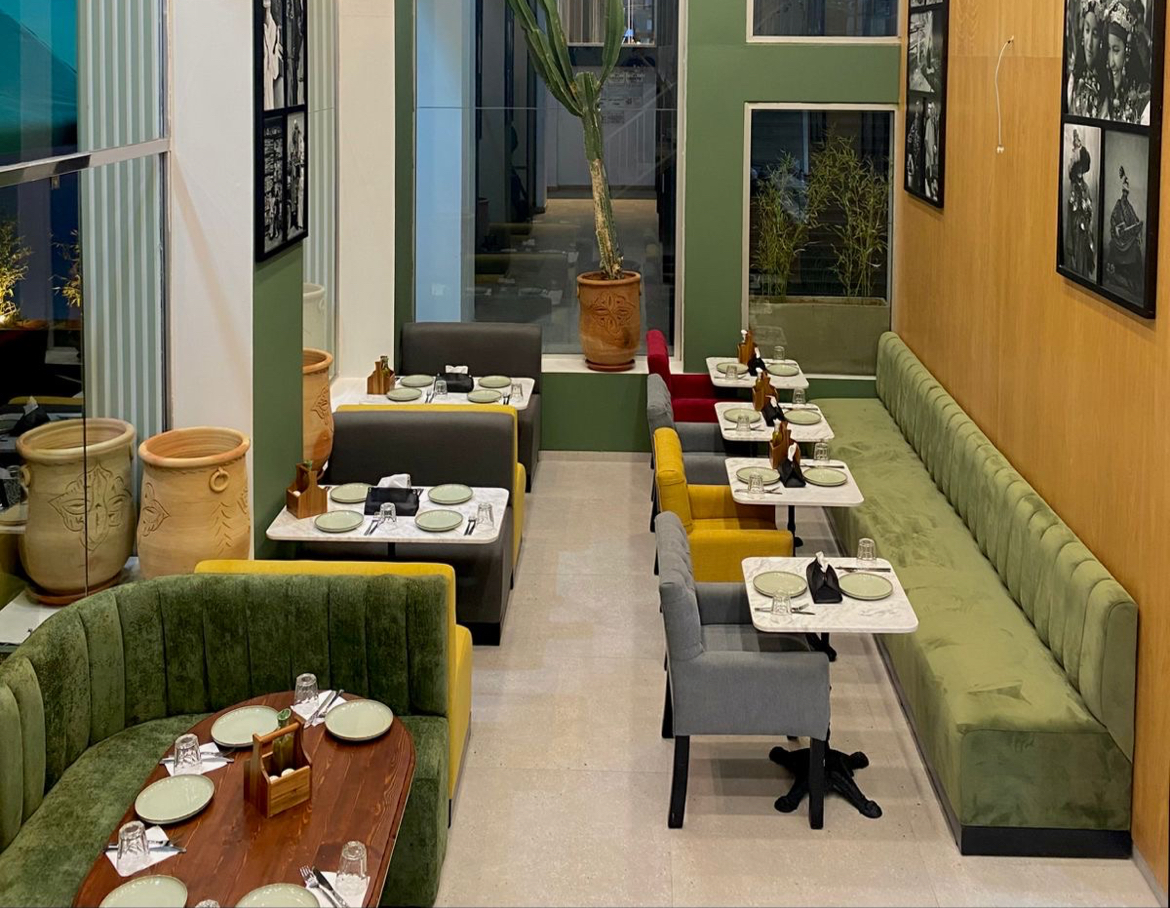
Best seafood restaurant Agadir port
The Agadir port isn’t a tourist trap dressed as authenticity—it’s where the actual catch lands, and where the restaurants that survive do so because locals eat there when they’re hungry, not when their guidebook says they should. The rhythm runs tidal: boats dock before dawn, fish houses price by kilogramme, and by lunchtime the serious operators have cleared their stock. This matters because it’s the opposite of how most seaside dining works elsewhere. You’re not paying for view; you’re paying for turnover speed, which means fresher fish.
Abchir Grillade operates exactly this way. No menu printed, no theatrical plating, paper tablecloth—you walk past the day’s catch laid on ice, point, and watch the grill chef work metres away. Prawns, sole, snapper, calamari rotate depending on what the boats brought in. A small salad and lentil soup arrive first; the lentil soup gets consistent praise across reviews, which is the kind of detail that signals care rather than filler. Pricing works per kilogramme, which frustrates those wanting certainty before ordering, but one diner paid 200 MAD for two and found it fair. The trade-off is transparent: fresh fish, minimal theatre, functional service. It’s working seafood, not a destination play.
VANISCA restaurant sits on Agadir Bay with a reputation that reads earned rather than inflated. Grilled fish, salmon with dill, calamari, pasta with mussels all appear multiple times across reviews, consistently praised as properly executed. One reviewer noted vegetables fried with cloves and cardamom—the kind of specificity that suggests actual kitchen care rather than rote assembly. Portions run large. Service splits between attentive and well-trained across multiple visits, though one reviewer hit sluggish ordering on the upper floor. Prices appear reasonable for seafood quality, though exact figures stay opaque across reviews. It works for tourists and repeat visitors alike, without pretension or mystique.
Fresh fish Agadir Marina 2026
“Fresh” in Agadir seafood terms means landed that morning, sold that lunch or evening. The Marina itself—formally the Port of Agadir—sits north of the Corniche and operates as both commercial dock and informal dining precinct. You’ll see boats unloading into crates, then into restaurant kitchens, sometimes within hours. This velocity is why February and March feel different from August: certain catches thin or thicken depending on Atlantic conditions, which a good restaurant owner tracks and a guidebook doesn’t.
Ma Poêle Smoke House built its reputation almost entirely on octopus. Multiple diners claim it’s among the best they’ve had anywhere, prepared as salad, smoked, or braised. Located on Rue de l’Hôtel de Ville (a few blocks from the Marina proper), it trades spectacle for specificity. Everything else—salads, juices, other mains—gets mentioned warmly in passing, which matters; the focus suggests genuine expertise in one dish rather than jack-of-all-trades mediocrity. The space sounds modest: street food setting, small, which fits the smokehouse concept. The staff, particularly someone named Kamal, appears genuinely invested rather than transactional. What’s missing: clarity on what else is actually good, or what prices land at. Worth trying if you’re after octopus specifically.
The Marina’s fresher operators don’t always have English names or online presence. Local knowledge helps—ask your riad owner or a taxi driver where they eat fish when they’re buying, not performing. The answer usually involves a place without laminated menus, where the daily catch is the menu. Prices typically run 150–250 MAD per person for grilled fish with sides and bread in 2026 terms, depending on species and size.
Grilled sardines Agadir 60 MAD
Sardines hit 60 MAD per portion only at the working end of the port, early afternoon, when the boats have unloaded and the restaurants are clearing inventory before evening service. This price point matters: it signals efficiency and turnover rather than margin hunting. Abchir Grillade, working on the per-kilogramme model, lands sardines—small, grilled whole, served with lentil soup and salad—in that territory, especially if you’re ordering two or three to share.
The thing about 60 MAD sardines is that they taste like sardines: salt, char, the faint mineral edge of Atlantic catch. They’re not plated with microgreens or served on a slate designed to signal luxury. They arrive on paper, sometimes still smoking. This is precisely the point. A diner eating sardines at 60 MAD is eating what a fisherman’s family eats; the margin is thin enough that the restaurant can’t afford to overcomplicate the job.
Late evening, 8 pm onwards, prices climb because turnover slows. Same fish, same grill, 100+ MAD. Morning or early lunch—12–1 pm—tends toward the lower end, when restaurants are cycling through lunch service rush. The seasonal variable matters too: spring sardine runs land different pricing than autumn. Ask when you arrive; most port restaurants will quote you straight.
Where locals eat fish Agadir
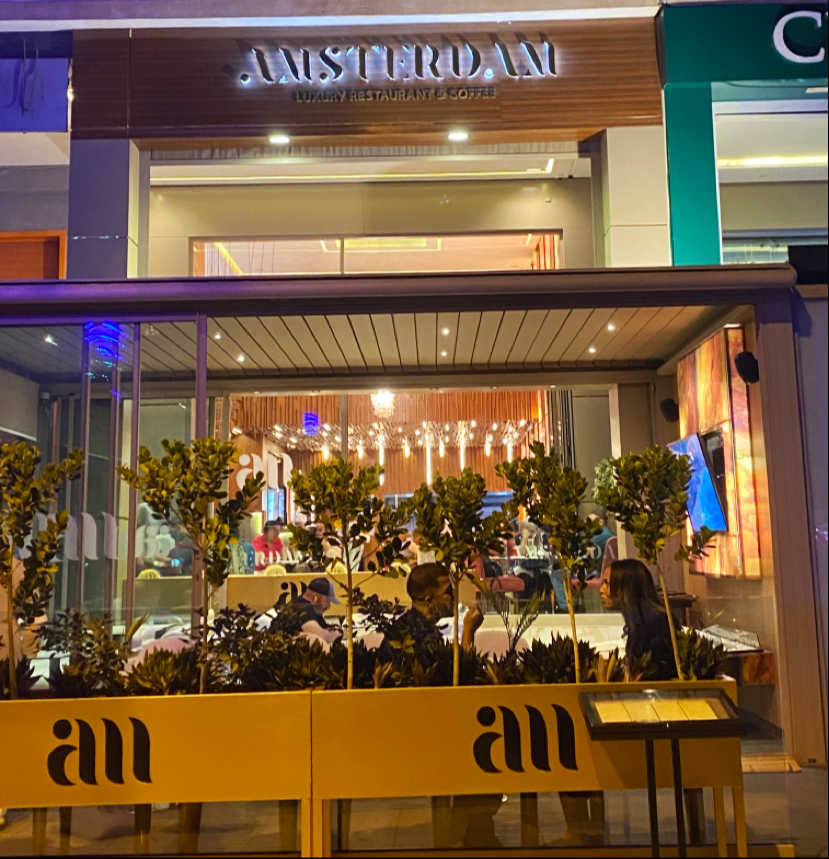
Locals eat fish at Abchir Grillade on Rue Bahreine because the friction points—no posted per-kilogramme pricing, minimal service theatre, paper tablecloth—are precisely the conditions that keep costs low. Families accumulate there midweek. You’ll hear Darija more than French or English.
They also eat at Khaymat Al Mandi, which sits above Boulevard Hassan II in an unpromising complex—walk past the ground floor and you’ll miss it entirely. The mandi (lamb, camel, or chicken) arrives as a communal affair: meat tender enough to surrender to pressure, rice fragrant and properly seasoned, portions engineered for four people to share without restraint. One diner paid 300 MAD for two with water. The floor-seating matters; it’s not theatre. Families gravitated here, kids included. Service runs neutral rather than effusive, which suits the food’s directness.
What locals don’t do: eat at places where the staff has memorised English welcome scripts, where the plating geometry matters more than the seasoning, where the view is the product rather than the fish. They eat where the margins are thin enough that quality must carry the place forward. This usually means: no view, no ambience design, no cocktail list. Rue Bahreine and Boulevard Hassan II, both working streets, are where this ethos still holds.
Best seafood Sonaba Agadir
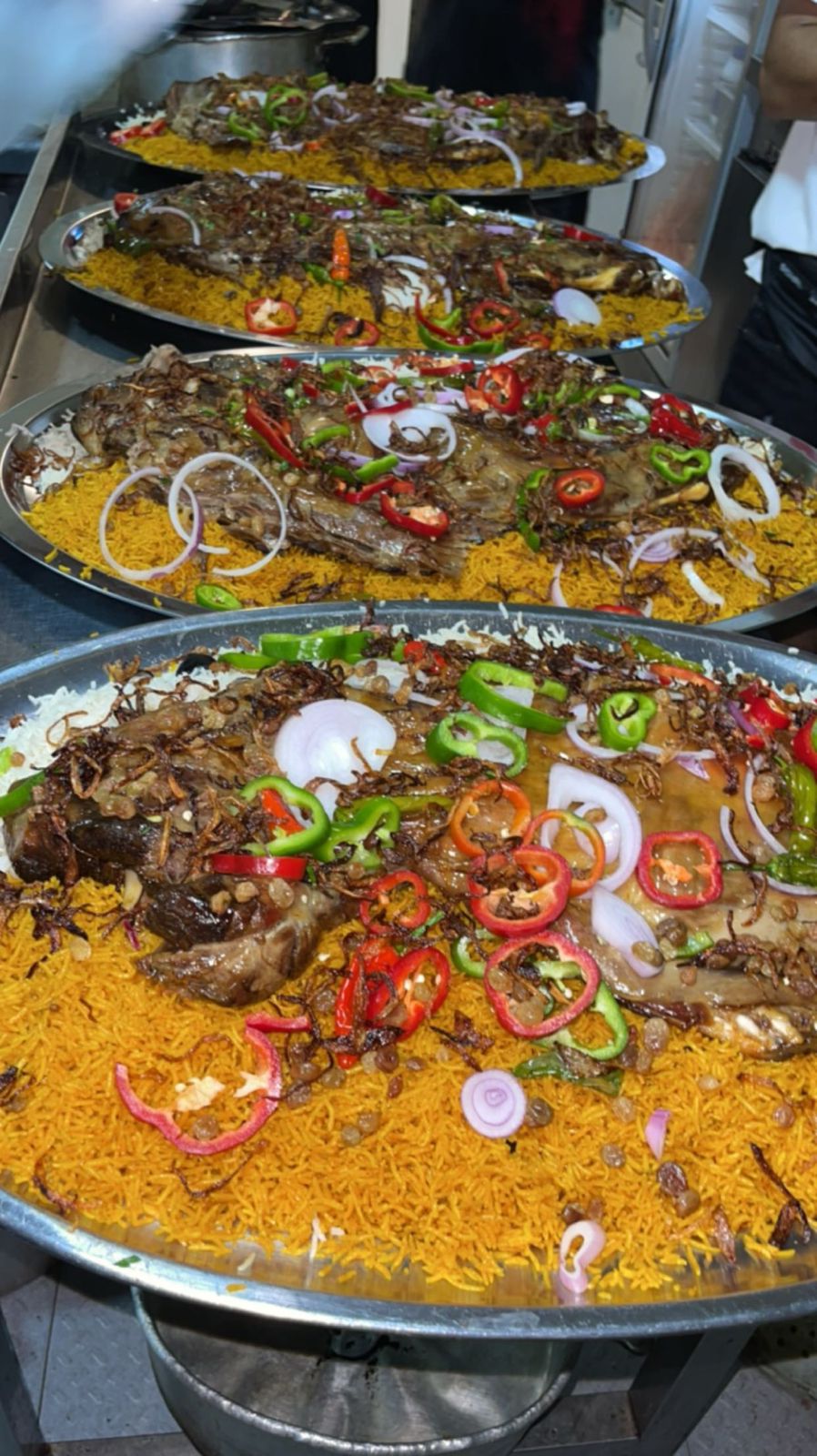
Sonaba sits south of central Agadir, toward the lagoon. The water there runs shallower, warmer, and calmer than the open port—it’s where families swim in summer and where certain fish species congregate differently than at the main Marina. This geography matters because it changes what restaurants source and how they position it. Sonaba-facing establishments tend toward calmer service rhythms and slightly higher margins than the port’s working joints, but they’re not yet in the Corniche tourist-density zone.
The nearest venue data available tracks Agadir port and central-Ville Nouvelle establishments rather than specifically south-facing Sonaba operations. That said, the Sonaba area typically draws repeat local families rather than guidebook traffic, which means if you find a seafood spot there with consistent Darija-speaking customers and a working kitchen visible from the dining room, you’re likely onto something honest. Ask your accommodation; locals know the Sonaba stretch better than any digital map.
Restaurants in this zone tend to price 180–280 MAD per person for grilled fish with sides, playing the middle ground between port efficiency and Corniche spectacle.
Souss Fish restaurant Agadir
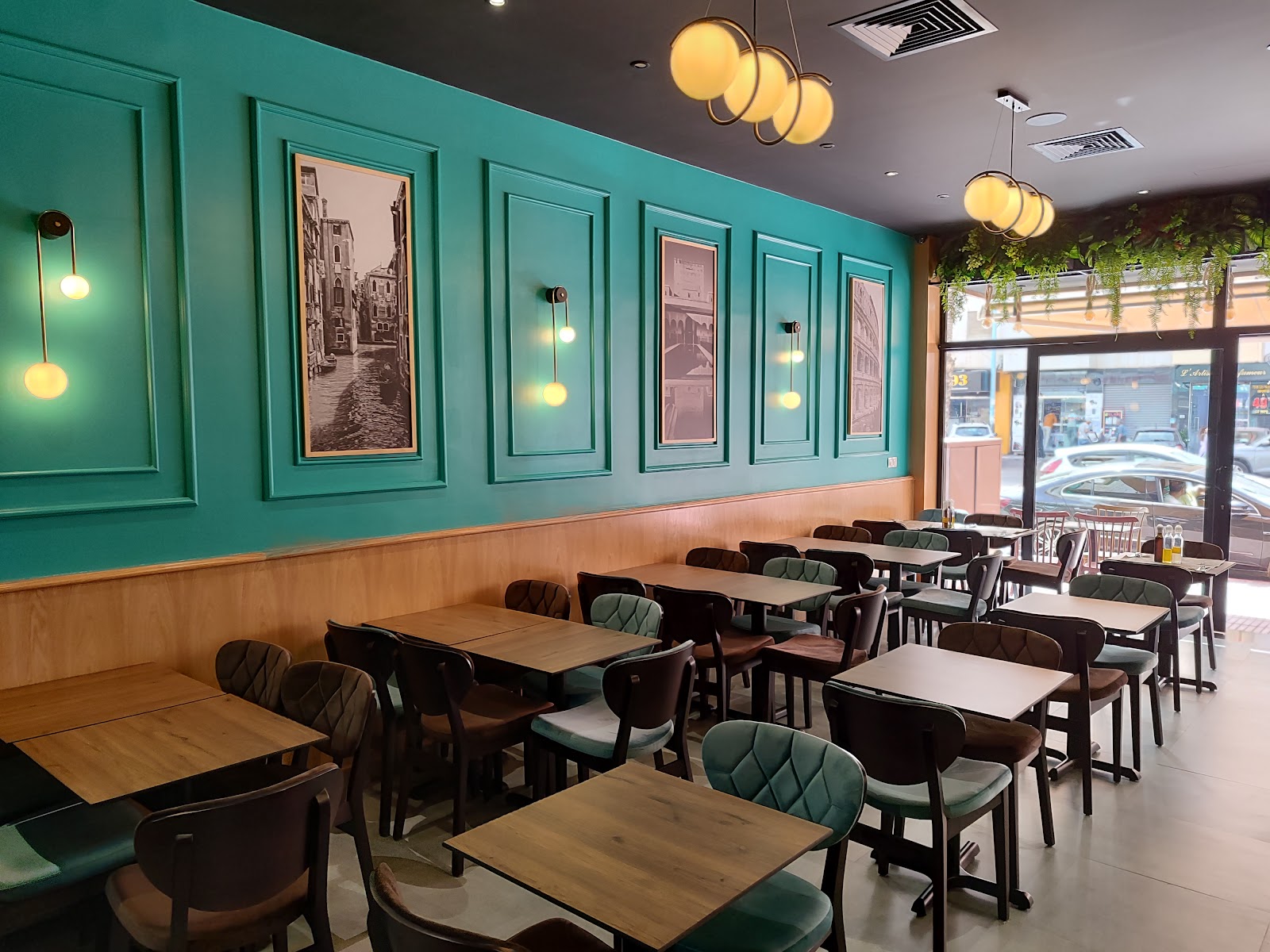
Souss as a place name anchors to the Souss-Massa region—the broader geography of southern Morocco’s Atlantic coastline, of which Agadir is the commercial hub. “Souss Fish” as a restaurant name (plural venues may use it) signals a deliberate connection to regional seafood identity rather than imported culinary theatre. In 2026, a few establishments trade on this naming specifically to signal they’re drawing from Souss-Massa catches rather than imported inventory.
The distinction matters: Souss-Massa waters bring different species at different seasons than Atlantic coastlines further north. Local restaurants aware of this distinction tend to price transparently (per kilogramme, no surprises) and source predictably. They’re unlikely to have English websites or Instagram presence. They survive on local repetition and seasonal tourist overflow.
If you encounter a “Souss Fish” or “Souss-Massa” branded restaurant near the port or in central Agadir, ask about the day’s source before ordering. Legitimate regional-identity places are transparent about it. Opportunistic branding uses the name but sources wherever profit margins are widest.
Calamarito Agadir review
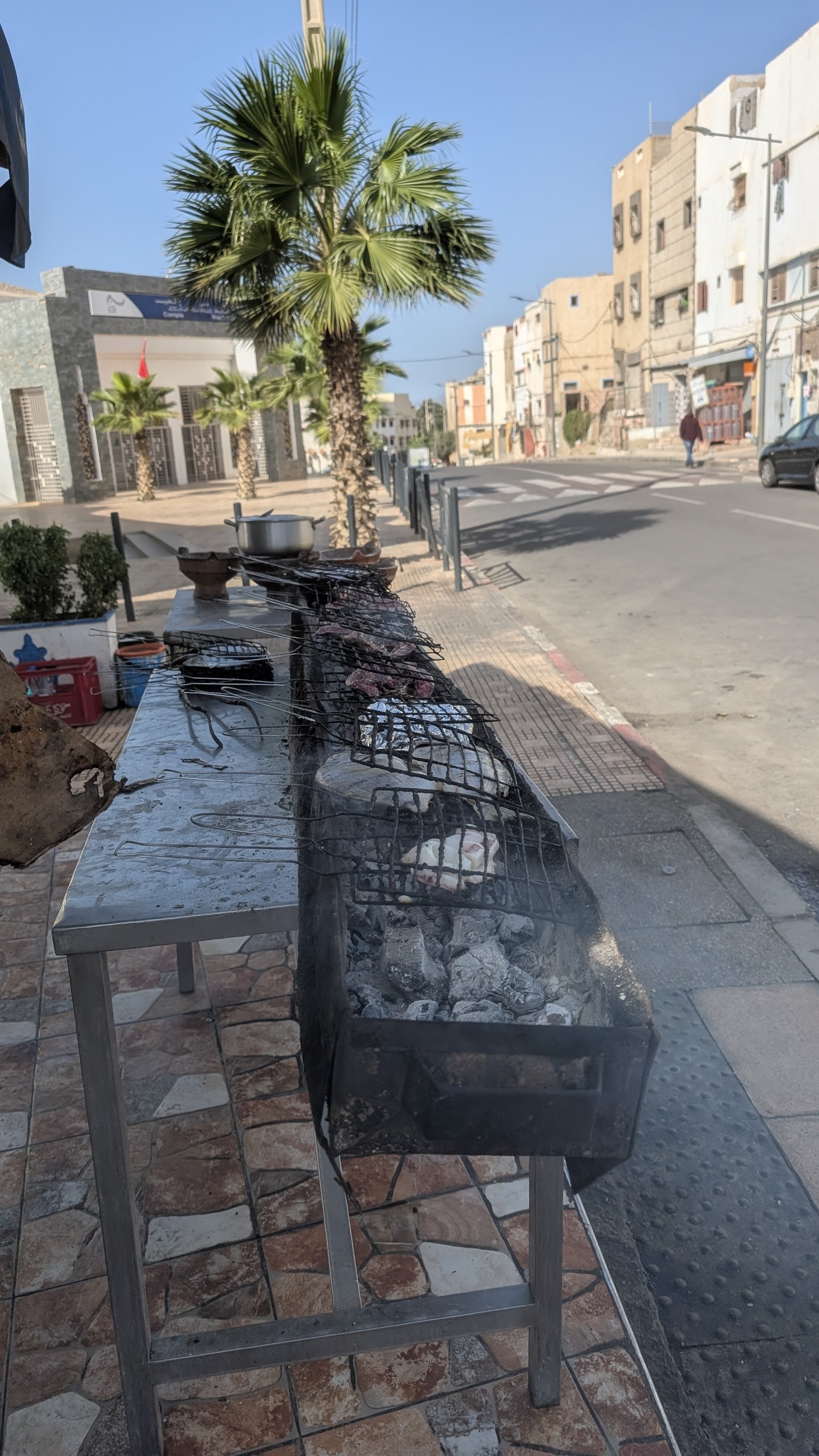
Calamarito—calamari—ranks among the most-ordered seafood dishes in Agadir because it’s reliable, difficult to spoil when fresh, and carries enough textural interest to stay interesting across multiple visits. The best versions arrive tender-fried or grilled, depending on the kitchen’s approach, with minimal accompaniment: perhaps lemon, perhaps a light aioli, perhaps just salt and pepper.
Ma Poêle Smoke House, which built its reputation on octopus, likely handles calamari with similar discipline—if you’re ordering there, try it. VANISCA restaurant on Agadir Bay lists calamari explicitly across reviews as “consistently praised as properly executed.” That specificity (reviews use the word “properly”) suggests the kitchen isn’t overcooking it into rubber or drowning it in heavy sauce.
Abchir Grillade, running the daily-catch model, sources calamari depending on what landed that morning. The grill treatment there tends toward simplicity: whole squid, split lengthways, cooked hot and fast. Reviewers note the grill chef is approachable; ask about cooking time if texture matters to you.
In 2026 Agadir pricing, calamarito typically runs 120–200 MAD per person as a main, 60–100 MAD as a starter or shared plate, depending on portion size and restaurant positioning.
Souss-Massa seafood Atlantic catch seasonal availability
The Souss-Massa Atlantic coast brings different species on predictable seasonal rotations. Winter (November through March) tends toward sardines, anchovies, and certain flatfish species. Spring shifts toward white fish—sole, bream—and the beginning of cephalopod season. Summer thins certain stocks as water temperatures rise and fish migrate to deeper, cooler zones. Autumn brings returning populations and the autumn catch reset.
This matters because a restaurant operating honestly sources with these rhythms. In February 2026, if a port restaurant is offering sea bass at a premium price, it’s likely imported or frozen; the local catch that month runs toward sardine and bream. A restaurant aware of this distinction will price accordingly and be transparent about source.
Abchir Grillade and similar working port joints adjust their daily specials precisely on these rotations. VANISCA, with its bay-facing location, likely sources similarly but finishes the fish with more technical seasoning and plating than the port’s working joints.
Ask when you arrive: “What landed fresh this morning?” The answer tells you whether the restaurant is sourcing with intention or simply working through inventory. Honest answer usually involves specificity: “Sole and sardines today—the bream is frozen.” Evasive answer—“Everything is fresh”—usually means you’re dealing with inventory management rather than sourcing discipline.
How to find the best seafood in Agadir port
-
Arrive at lunchtime, not evening. The catch lands before dawn and sells through afternoon service. By 8 pm, the best fish is gone or hours old. 12–2 pm typically offers the freshest inventory and the most reasonable per-kilogramme pricing before dinner-service premiums kick in.
-
Skip the menu if one is offered. If a port-facing restaurant hands you a laminated menu at a seafood table, it’s not working with the daily catch. Working joints display today’s fish on ice and price by kilogramme. Ask what landed that morning; the specificity of the answer predicts the quality of the meal.
-
Bring cash and ask about per-kilogramme pricing upfront. Most port restaurants quote this way, but won’t necessarily state it until you’re seated. Confirm before ordering: “How much per kilogramme for the snapper today?” Avoids surprises. Standard port pricing in 2026 runs roughly 300–500 MAD per kilogramme for premium species like sea bass or bream, less for sardines and mackerel.
-
Eat what the kitchen specialises in rather than scanning the full menu. Abchir Grillade’s focus is grilled whole fish. Ma Poêle’s is octopus. VANISCA handles both grilled and prepared seafood reliably. Ordering outside the restaurant’s known strength—say, a tagine at a port grill joint—is gambling with mediocrity.
-
Ask locals or your riad owner where they eat fish when they’re hungry, not performing. Guidebooks and online reviews filter toward establishments with marketing budgets. The honest working restaurants often lack English websites or polished plating. The recommendation comes through word-of-mouth: taxi drivers, staff at your accommodation, repeat visitors.
-
Check timing on upper vs. ground floor. VANISCA notes one reviewer hit sluggish service upstairs; other venues report tighter execution downstairs during peak hours. Ask when booking or arriving—ground floor typically moves faster, which for seafood means fresher service.
FAQ
Is grilled sardines at 60 MAD actually fresh, or is that a budget-trap price?
At 60 MAD per portion, sardines are genuinely fresh in early afternoon at working port joints like Abchir Grillade. The price isn’t a trap; it reflects high turnover and minimal margin rather than quality compromise. Sardines are smaller, faster to grill, and spoil quicker than larger fish—restaurants move them fast. Late evening, the same sardines climb to 100+ MAD because turnover slows and inventory pressure rises. The fish hasn’t changed; the urgency has.
Which restaurants serve seafood without the Corniche tourist markup?
Abchir Grillade (Rue Bahreine), Ma Poêle Smoke House (Rue de l’Hôtel de Ville), and Khaymat Al Mandi (Boulevard Hassan II) all operate without Corniche positioning or explicit tourist marketing. They survive on local repetition and seasonal overflow. Pricing typically runs 50–100 MAD lower per person than bay-view establishments for equivalent fish quality. Service is functional rather than choreographed, which is part of the price advantage.
Should I order grilled fish whole or filleted?
Whole grilled fish arrives fresher-tasting because the skin and bones protect the flesh during cooking. Filleted fish—convenient for eating—dries faster over high heat unless the kitchen is disciplined about timing. At port joints like Abchir Grillade, whole fish is the standard and the strength. At more formal venues, ask the server which arrives better that particular day; they’ll usually tell you straight.
What’s the difference between port restaurants and bay-facing restaurants like VANISCA?
Port restaurants (Abchir Grillade) prioritise turnover and freshness; they’re usually basic in service and plating but honest in pricing and ingredient quality. Bay-facing restaurants (VANISCA) add technical seasoning, plating discipline, and service choreography—they cost more but finish the fish more elaborately. Choose port restaurants if you want pure fish flavour and value; choose bay restaurants if you want technique and ambience alongside the seafood.
Can I trust the five-star reviews for places like BB’s restaurant or Le Sensya?
Uniform five-star ratings across high review counts (79+ reviews for BB’s, 153 for Le Sensya) are unusual and worth scepticism. They suggest either genuinely consistent excellence or a self-selecting audience of satisfied customers—it’s hard to tell which without testing yourself. Both venues do draw repeated praise for specific dishes (BB’s for Mediterranean selection, Le Sensya for parmigiana and beef ragù), which suggests something real. Go in with adjusted expectations: these places won’t disappoint, but they won’t detonate your sense of discovery either.
Is it worth booking ahead at port restaurants, or do I just walk up?
Working port joints like Abchir Grillade rarely take reservations and fill by visual capacity. Walk up, especially at lunch. You’ll find a table or you won’t—turnaround is fast enough that waits rarely exceed 20 minutes. More formal seafood venues like VANISCA or bay-facing restaurants benefit from weekend bookings, but weekday lunch still accepts walk-ups. The port’s pace runs too fast for booking discipline; come early, eat fresh, move on.
Closing
The best seafood in Agadir arrives when you stop looking for a destination and start looking for turnover. The restaurants that survive on the port do so because locals eat there between jobs, families return weekly, and the margins are thin enough that quality must carry the operation forward. That’s the opposite of tourism logic, which is precisely why these places taste better. Come at lunch, ask what landed that morning, order without overthinking, and eat facing the water if the weather holds. The fish—and the price—will surprise you favourably.
Keep reading
 experience
Best Hammam in Agadir 2026: Traditional vs Spa Guide
Find the best hammam in Agadir 2026—traditional Berber rituals or luxury spa treatments. Prices, etiquette, and where locals actually go.
practical
How to Get from Marrakech to Agadir in 2026: Transport Guide
Direct buses, private transfers and the A7 highway: how to travel from Marrakech to Agadir in 2026 without the tourist markup.
experience
Is Agadir Worth Visiting in 2026? An Honest Take
Is Agadir worth visiting in 2026? An honest take on sun, safety, and whether it deserves your holiday over Marrakech or Taghazout.