Paradise Valley Agadir 2026: Complete Guide
Paradise Valley Agadir 2026: natural rock pools, palm canyons, best season to visit, guided tours, and what to expect—complete practical guide.
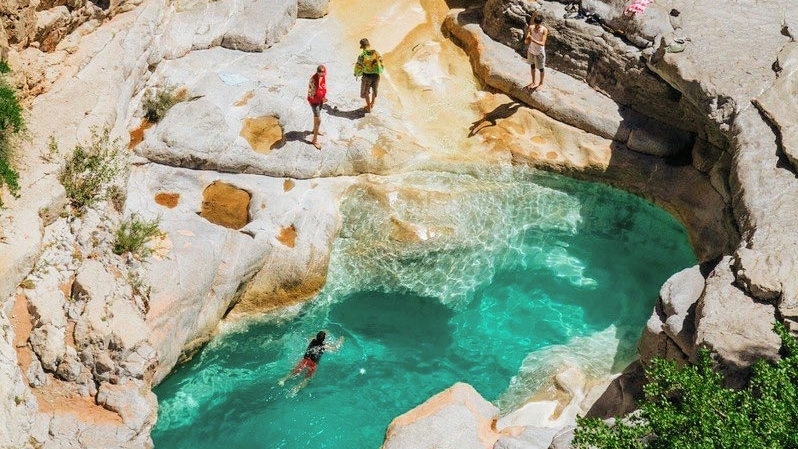
Paradise Valley Agadir 2026
Paradise Valley sits about 58 kilometres north of Agadir, in the Atlas foothills above Tamraght. It’s not a secret anymore—if it ever was—but the canyon itself remains genuinely worth the trip. The valley’s real name is Oued Imouzzer, and it’s a palm-lined ravine carved into limestone, studded with natural rock pools that swell after winter rains. Come in the right season and the pools hold water deep enough to swim. Come in summer and they’re shallow, murky, and packed with locals on weekends.
The key insight: Paradise Valley is a seasonal destination. Your experience in 2026 depends entirely on when you go and how much rain fell beforehand. The glossy images you’ve seen online—turquoise water, dramatic canyon walls, golden light—are real, but they’re also curated. Expect that, and you’ll come away pleased. Expect a tropical resort and you’ll feel swindled.
The drive takes roughly 90 minutes from Agadir through narrow village roads. It’s not motorway driving. The road itself is paved to the parking area, but narrow enough that you’ll want to avoid hiring an automatic transmission sedan; a modest SUV or manual car is gentler on the nerves. Parking costs 10 MAD. From the end of the paved road, it’s a 20–30 minute walk downhill to reach the first pools, with the canyon opening wider and more visually arresting the further you venture.
Paradise Valley Agadir tour
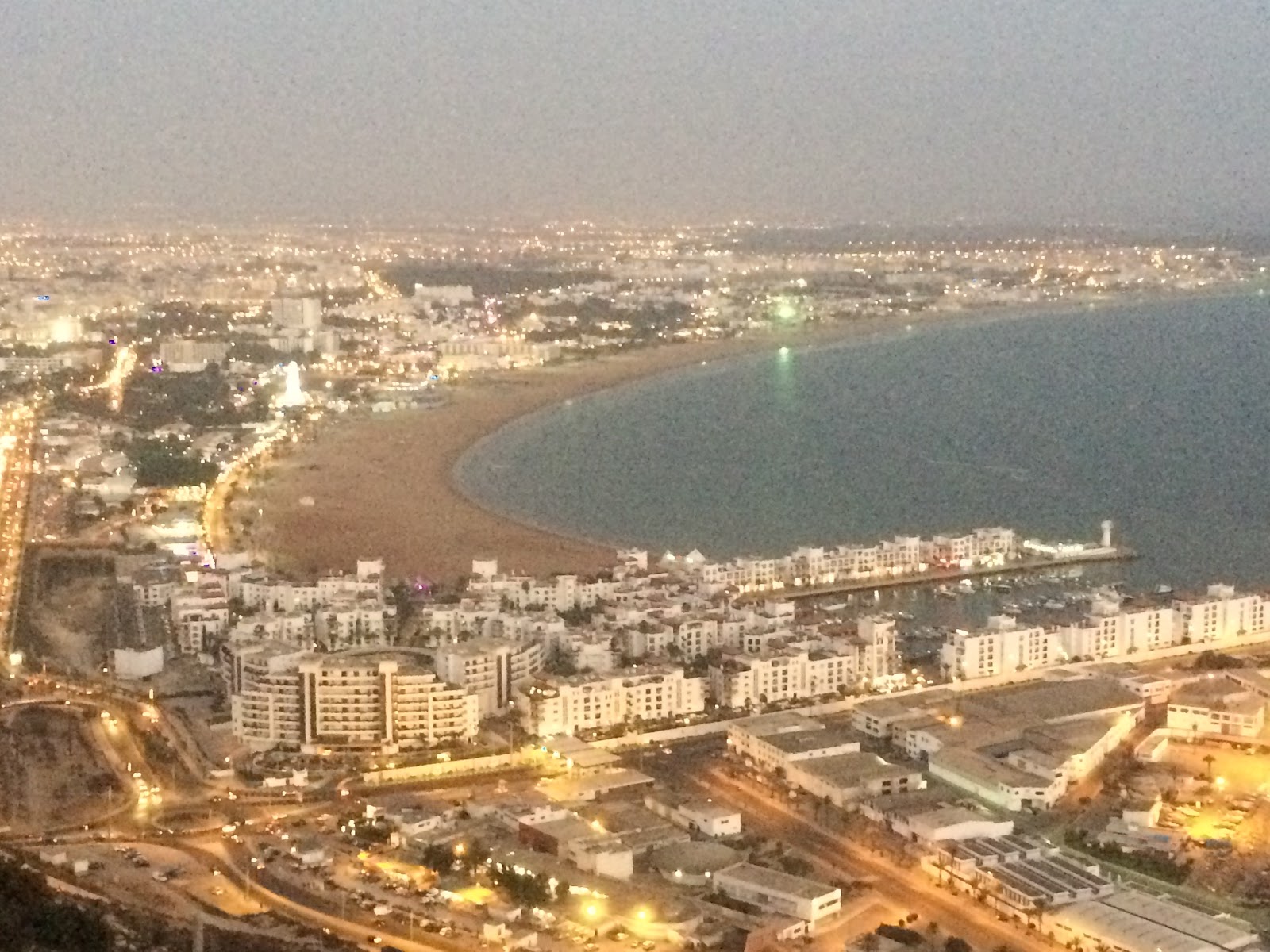
Guided full-day tours from Agadir run between 200–350 MAD per person, depending on the operator and group size. Several agencies handle the route: Tour Agadir, Agadir Touring Activities & things to do & excursions, Agadir Oasis, and Agadir Fun all include Paradise Valley in their itineraries.
What a guided tour typically includes: hotel pickup, transport, a guide familiar with the terrain and local conditions, and sometimes a packed lunch or café stop. The guide’s value isn’t theoretical—they know which pools are deep enough to swim, where the canyon becomes genuinely steep, and whether recent rainfall has made certain sections hazardous. A local guide costs around 100 MAD per person in a group and materially improves the experience, particularly if you’re hiking with children or haven’t tackled uneven terrain before.
Tour operators vary in transparency. Agadir Oasis offers half-day and full-day options covering Paradise Valley alongside camel rides or argan oil circuits. Reviews praise their guides’ responsiveness and willingness to adapt routes for bad weather. Agadir Touring Activities & things to do & excursions specialises in flexible itineraries and same-day bookings, though exact pricing and group sizes aren’t always advertised upfront—ring them directly before committing. Agadir Fun bundles quad biking with valley visits; reviews are mixed on their reliability and logistics, so confirm your pickup location in writing beforehand.
How to get to Paradise Valley Agadir
Self-drive option:
- From central Agadir, head northeast towards the Atlas mountains on the N1 road.
- Follow signs towards Tamraght and Imouzzer Ida Ou Tanane. The route passes through several small villages; stick with the main paved road.
- Continue for roughly 90 minutes. The road narrows considerably as you climb into the foothills.
- Turn onto the Tamraght-Imouzzer road. Watch for signs or ask locally—there’s no motorway-style signposting here.
- Park at the designated area (10 MAD). Facilities include basic cafés serving mint tea and tagines.
- Walk downhill into the canyon for 20–30 minutes to reach the main pools.
Tour option:
Book through a tour agency. Most hotels in Agadir can arrange pickups. Departures are typically early morning (around 8–9 AM) to maximise daylight. Return to Agadir by late afternoon or early evening. Confirm the exact pickup time and location the day before, especially if booking through smaller operators.
Paradise Valley from Agadir directions
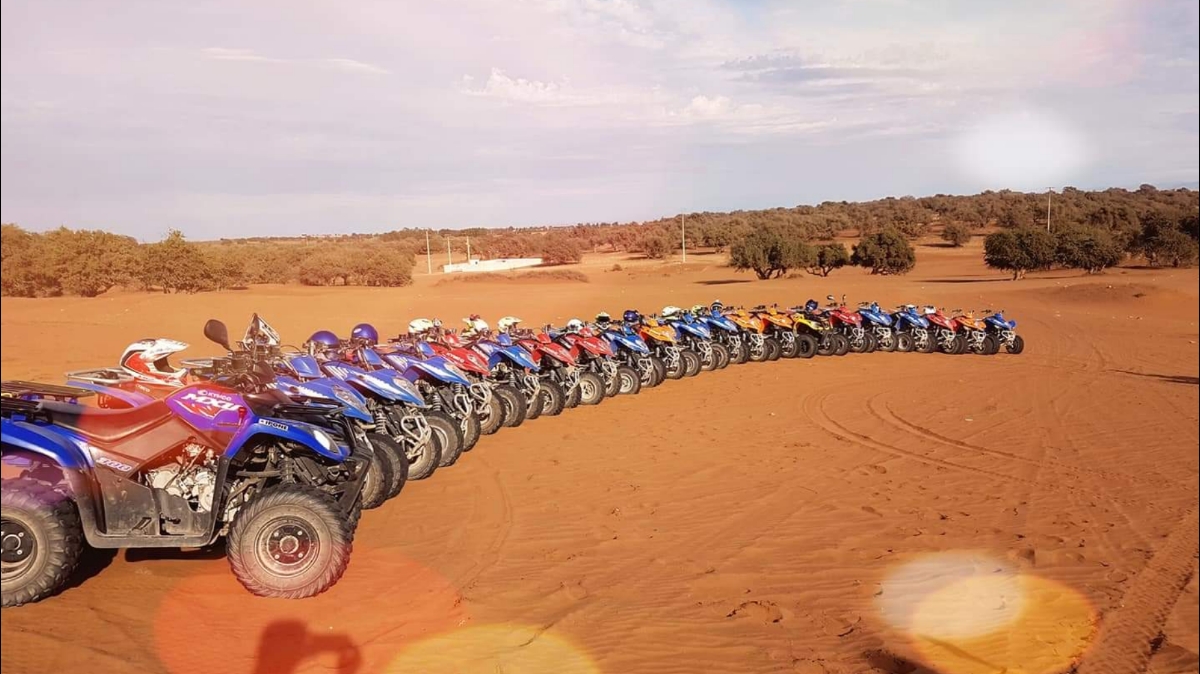
The physical distance is straightforward: north towards the mountains, roughly 58 kilometres as the crow flies, but closer to 70 kilometres by road because of the winding routes through Berber settlements. The drive time matters more than the distance—expect 90 minutes to two hours depending on traffic and road conditions.
Leave early if you’re driving yourself. The valley fills with day-trippers by midday, particularly on weekends. If you arrive by 10 AM, you’ll find parking manageable and the initial section of the canyon relatively quieter. By noon, café stalls have sprouted, and the walking trails feel crowded.
The route itself is memorable. You pass terraced almond and argan groves, small villages where sheep wander across the road, and increasingly dramatic mountain views. Mobile signal becomes patchy; if you’re relying on GPS, download offline maps beforehand. Petrol stations are rare—fill up in Agadir before leaving.
Paradise Valley swimming pools Morocco
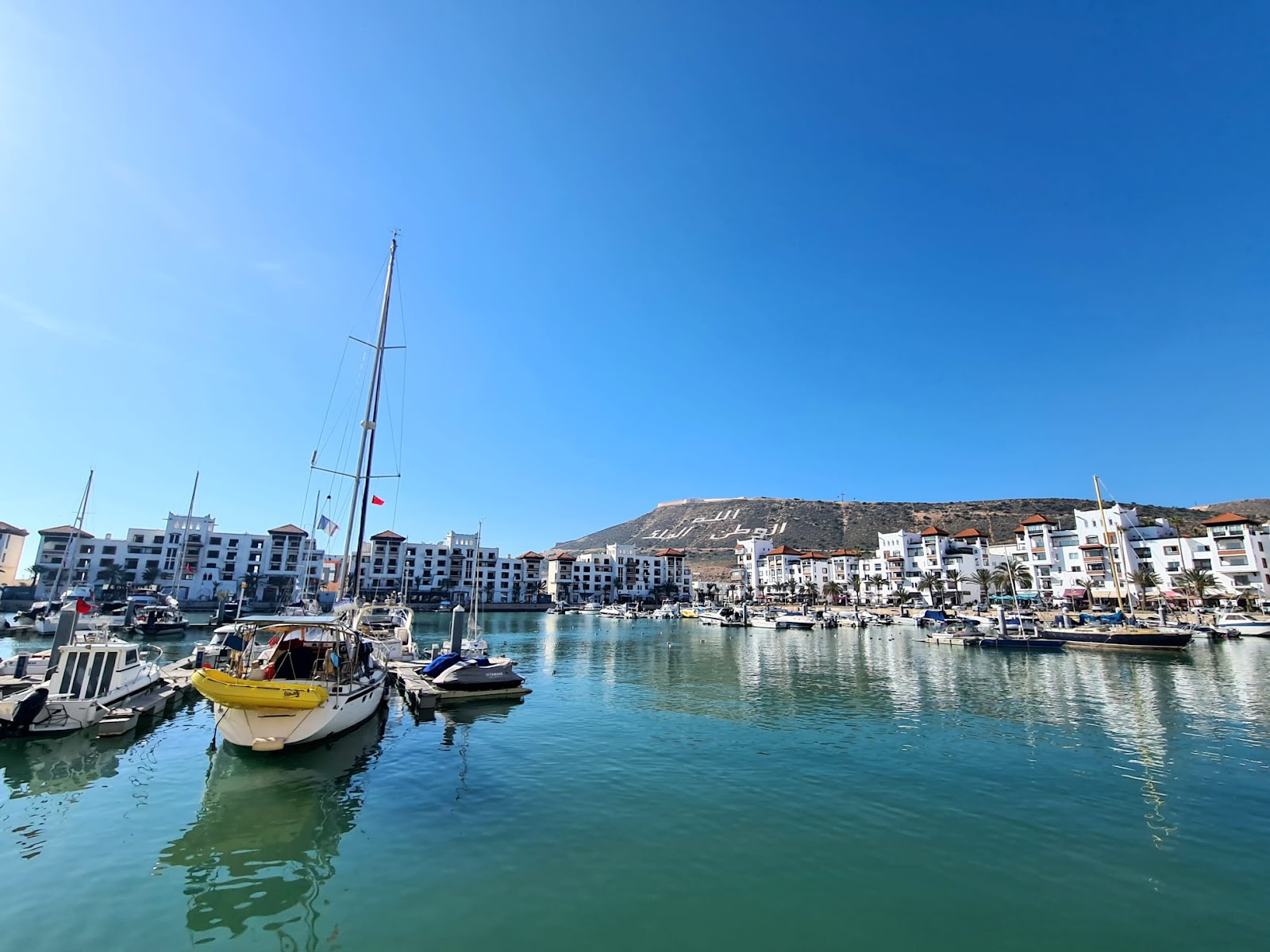
The pools are what draw most visitors, so it’s worth understanding what you’re actually getting. They’re natural rock basins fed by seasonal waterfalls—Oued Imouzzer flows through the canyon, pooling in depressions carved over millennia. The water is cold, even in summer, because it’s fed by mountain snowmelt and underground springs.
Seasonality is crucial. The pools are fullest and most swimmable from late winter through spring—March to June—when winter rains have replenished the canyon. By July and August, water levels drop significantly. The pools become shallow, often murky with sediment, and the visual drama diminishes. Autumn and early winter see reduced flow, though occasional storms can temporarily swell the water.
Bring swimwear, but also a change of clothes. The water is bracing—plan to stay in for 10–20 minutes rather than an extended swim. Water shoes or sandals with grip are worth the weight; the rocks are genuinely slippery, and standard trainers will absorb water and become uncomfortable.
The pools themselves are open to anyone. There are no entry fees beyond the 10 MAD parking charge. No lifeguards patrol. Locals know the safe entry points; if you’re unfamiliar with the terrain, ask a café owner or guide. Strong swimmers comfortable with scrambling over rocks can explore upstream to smaller, quieter pools; it’s rewarding if you have the fitness and footwear.
Paradise Valley best time visit
March to June is objectively the best window. Winter rains have filled the pools, water levels are high, and the weather is mild—not scorching. The valley itself is greener. If you have flexibility in 2026, plan for this window.
Late February to early March catches the tail end of winter flow, and crowds are minimal because most tourists haven’t yet mobilised.
July and August are technically visitable but problematic. Temperatures exceed 35°C regularly. Water levels shrink to ankle-depth in many pools. The valley becomes a weekend destination for locals escaping Agadir heat; parking fills by midday. The visual drama collapses.
September through November is transitional. Autumn rains haven’t yet arrived, so water flow drops. Weather is still warm. Crowds thin after summer. If you’re visiting in autumn, go in September or early October rather than wait for November.
December and January are the rainiest months. Flash-flood risk exists after heavy downpour—the canyon can swell dangerously in hours. If you visit after rainfall, check locally whether the walk is safe. The reward is spectacular water flow and verdant canyon walls.
Weather in the Atlas foothills can shift rapidly. Bring layers—it’s cool in the canyon even when Agadir is hot. Sunscreen and a hat are essential; the rock amplifies UV exposure.
Paradise Valley with kids family
Paradise Valley is feasible with children, but requires honest assessment of their fitness and comfort with uneven terrain.
Ages 4–7: Doable with a guide and careful pacing. The 20–30 minute descent is rocky and sometimes steep, with loose gravel. Younger children move slowly, which means the walk takes longer than advertised. Carry water and snacks. The first few pools are the shallowest and safest for paddling. Don’t plan on exploring further up the canyon—it becomes increasingly technical.
Ages 8–12: Better suited. They’re confident on scrambling terrain and can manage the initial walk with minimal fuss. The experience becomes more rewarding—they can explore upstream, swim in deeper pools, and understand the landscape. A guide is still valuable for logistics and safety.
Ages 13+: Treat them as adults. They can handle the full walk, tougher terrain, and longer canyon exploration.
General cautions: The rock pools have no barriers. Children must be comfortable in water and supervised actively, not from a distance. The canyon has sheer drops in places; if a child is prone to impulsive behaviour near edges, keep them close. After rainfall, water flow accelerates—the placid pools can briefly become dangerous channels.
Bring significantly more water than you think necessary—children dehydrate fast in the heat. Pack light snacks: dates, nuts, fruit. Portable sunscreen is essential.
A guided tour, rather than self-drive, reduces logistics stress. Guides are accustomed to children’s pace and can point out easier routes and safer pools. Agadir Oasis has specific mention in reviews of adapting to group needs, which can include families.
Paradise Valley hike difficulty
The walk itself is moderate, not difficult, but that depends on fitness and footwear. The initial descent is steep but short—20–30 minutes downhill. The rock is fractured limestone, which offers grip but requires careful placement. Loose gravel makes it feel more technical than it is.
Fitness requirement: Average fitness suffices. You’re not climbing elevation; you’re descending into the canyon. Coming back up is the harder direction—it takes longer and demands steady breathing. If you walk regularly, you’ll manage without strain.
Footwear is non-negotiable. Trainers are acceptable only if they’re genuine hiking shoes with stiff soles and ankle support. Flip-flops, sandals, or fashion trainers are risky. The rock is slippery when wet—even slightly damp—and your footing is often on the edge of larger rocks. Proper hiking boots or trail shoes with good grip make the walk genuinely safer and less exhausting.
Further exploration: The first few pools are the most accessible. From there, the canyon narrows and the terrain becomes rougher. Moving upstream requires scrambling, climbing over boulders, and careful navigation. This is where the walk shifts from “moderate” to “moderately challenging.” If you go further, you’re scrambling, not walking. Water shoes and comfort with exposure help. Solo exploration beyond the main pools is possible but carries risk if something goes wrong—inform someone at the café of your route and estimated return time.
Water levels and difficulty: After heavy rain, water flow increases significantly, sometimes dangerously. The canyon becomes a channel for fast-moving water. What was an easy rock-hop becomes a wade or a climb. Conversely, in dry season, pools shrink and the walk becomes a scramble over dry rock. The difficulty rating shifts seasonally.
Round-trip time: Allow three to four hours minimum from parking to exploring and swimming. That includes breaks. If you’re moving slowly or exploring upstream pools, add another hour.
FAQ
What should I pack for Paradise Valley?
Bring sturdy walking shoes or hiking boots with good grip and ankle support. Pack 1+ litre of water per person—the canyon offers no shade, and the rock amplifies heat. Swimwear, sunscreen, hat, and a change of clothes are essential. Snacks (dates, nuts, dried fruit) sustain energy better than heavy food. A small towel is useful. Mobile phone signal is intermittent; download offline maps if navigating yourself. If you’re hiking in late season or after rain, wear quick-dry clothes rather than cotton—they’ll be wetter from scrambling.
Is Paradise Valley crowded in 2026?
Yes, particularly on weekends from March through June and during Moroccan school holidays. Weekday visits are noticeably quieter. Early arrival (by 9–10 AM) reserves parking and grants you quieter canyon time before the midday rush. If you tour with an agency, you’ll be part of a larger group, though guides typically route you away from the main café area once you venture upstream.
Can I visit Paradise Valley solo?
Yes. Self-driving or joining a group tour both work. Solo hiking is safe—the route is straightforward and other visitors are always within earshot if something goes wrong. The main challenge is navigation; signposting is minimal. A guide (available locally at the parking area for roughly 100 MAD) removes doubt and adds context. Many solo travellers hire a guide for this reason alone.
Are the pools safe to swim in?
Natural rock pools carry no chemical testing or lifeguard supervision. The water is clean but cold. Safety depends on your swimming ability, the water level, and recent weather. Ask the café owners or guides which pools are safest to enter; they know the depth and hazards. Never jump into pools without confirming depth first. After heavy rain, the canyon flows faster—even seemingly calm sections can be dangerous. Parents must supervise children actively.
How much does it cost to visit Paradise Valley?
Parking: 10 MAD. A local guide: roughly 100 MAD per person in a group. Café tea and snacks: 15–40 MAD depending on what you order. Full-day guided tours from Agadir: 200–350 MAD per person, usually including transport and guide. No entry fee is charged by any official body. Costs are lower if you drive yourself and navigate independently.
What’s the best tour operator for Paradise Valley from Agadir?
Agadir Oasis receives consistent praise for guide knowledge and flexibility, particularly for adapting to bad weather. Agadir Touring Activities & things to do & excursions is recommended for same-day bookings and willingness to deviate from itineraries. Tour Agadir runs larger group tours with straightforward logistics. All require confirmation of specific details—pricing, group size, inclusions—before booking. Request references or recent reviews directly rather than relying solely on online ratings.
What’s the drive like from Agadir to Paradise Valley?
Roughly 90 minutes through winding mountain roads via Tamraght. Roads are paved but narrow; aggressive driving is pointless and dangerous. Mobile signal drops intermittently. Petrol stations are sparse; fill up in Agadir beforehand. The drive itself is scenic—you pass terraced groves and Berber villages—and worth experiencing if you’re comfortable with mountain driving. Avoid hiring automatic sedans; manual transmission or small SUVs handle the terrain more gracefully.
Keep reading
experience
Best Hammam in Agadir 2026: Traditional vs Spa Guide
Find the best hammam in Agadir 2026—traditional Berber rituals or luxury spa treatments. Prices, etiquette, and where locals actually go.
practical
How to Get from Marrakech to Agadir in 2026: Transport Guide
Direct buses, private transfers and the A7 highway: how to travel from Marrakech to Agadir in 2026 without the tourist markup.
 experience
Is Agadir Worth Visiting in 2026? An Honest Take
Is Agadir worth visiting in 2026? An honest take on sun, safety, and whether it deserves your holiday over Marrakech or Taghazout.