Best Day Trips from Agadir 2026: Paradise Valley, Souss-Massa & the Anti-Atlas
Honest guide to day trips from Agadir 2026—Paradise Valley, Souss-Massa, Anti-Atlas villages, and which tour operators actually deliver value.
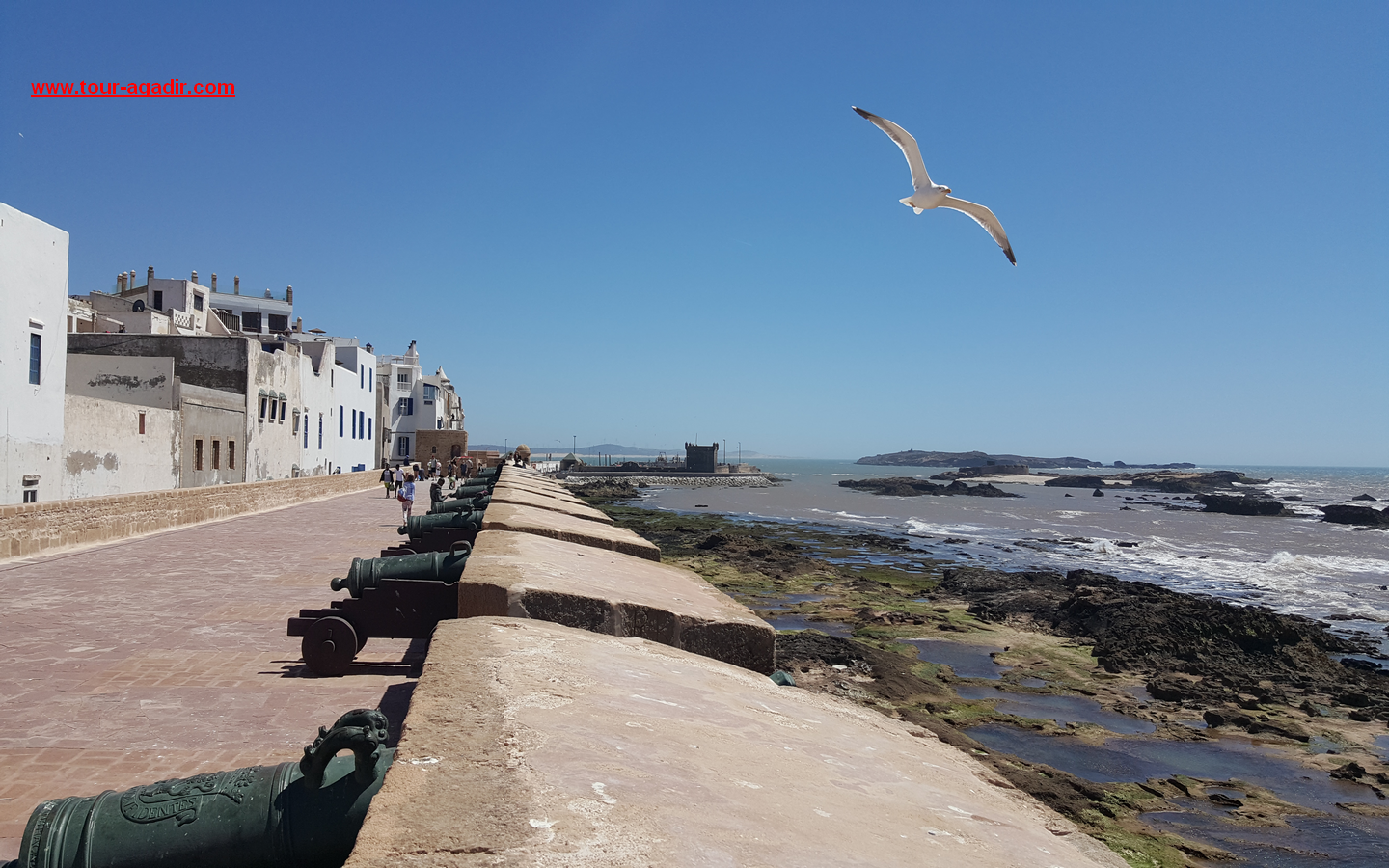
Best day trips from Agadir 2026
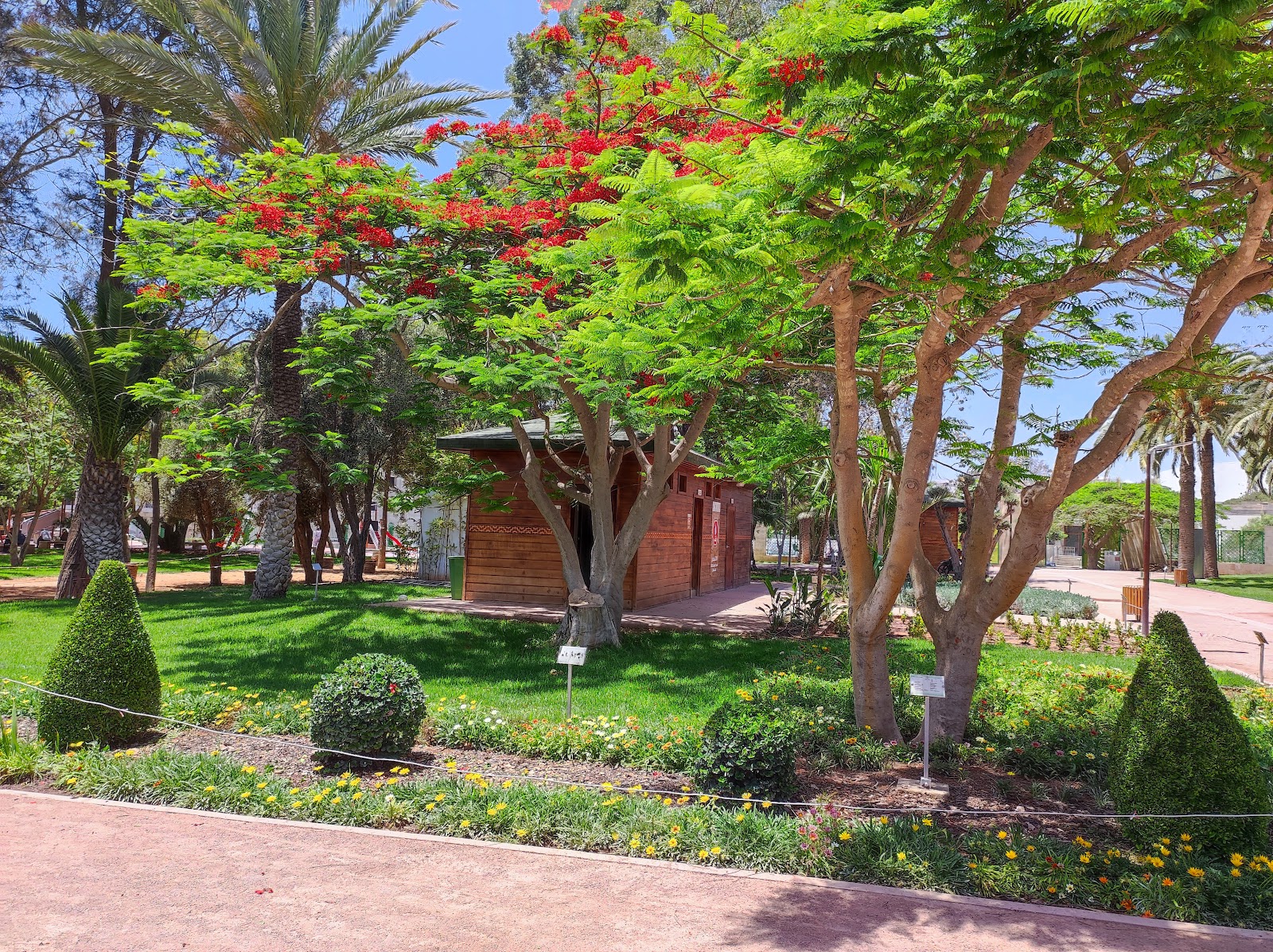
Agadir sits within two hours of genuinely varied terrain: gorge swimming, wildlife reserves, mountain villages, and working argan forests. The trick is distinguishing between operators running rote circuits and those willing to adapt to what you actually want to see.
We’ve spent the last few months ringing tour companies, checking reviews against operational reality, and cross-checking what’s advertised against what customers genuinely experience. What follows isn’t a “must-do” list. It’s a map of concrete options, actual costs where available, and which operators warrant your money.
The baseline: if you’re paying under 400 MAD for a full day including guide and transport, something’s subsidised or cut. If an operator claims they’ve never had a complaint in 200+ reviews, they’ve curated feedback. And if a tour promises both “authentic” and “convenient,” you’re about to spend three hours on a minibus talking to French tourists.
Paradise Valley tour from Agadir
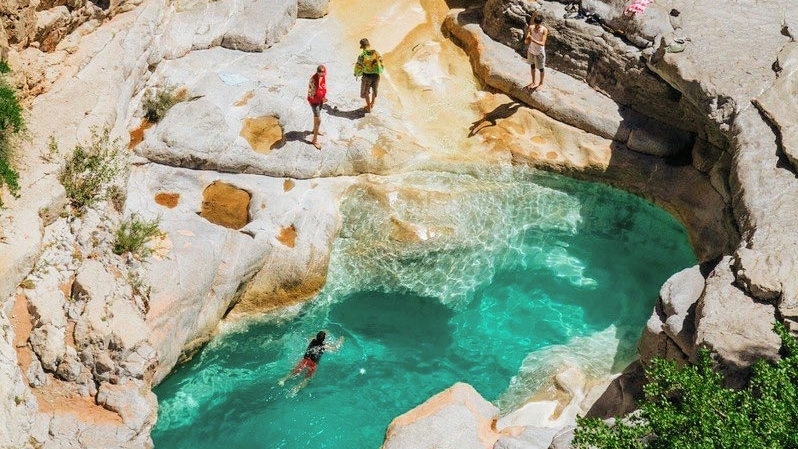
Paradise Valley sits 90 minutes south of the city through Imouzzer des Ida-Outanane, a route that winds through village roads and gives you actual Morocco rather than highway monotony.
The valley itself is a three-kilometre canyon with natural pools, palm groves, and a walk that genuinely justifies the trip if you manage expectations. The turquoise photos you’ve seen online? Those are post-rain shots. Dry season pools are shallower and browner. They’re still swimmable and still beautiful—just differently. The canyon walls reward the hike more than the water does.
What to expect: Parking costs 10 MAD. Within 15 minutes of the entrance, café stalls multiply like fungus. Walk past them to find genuine quiet. Bring proper hiking shoes; the canyon floor is rocky and sometimes steep enough to need handhold. Three to four hours minimum if you walk the full valley.
The case for a guide: 100 MAD per person (negotiable for groups of four+) and worth every dirham. Local guides know which pools are safe to swim, where the canyon opens into genuinely photogenic sections, and which routes avoid the café crowds. Solo navigation works fine—the path is clear—but you’ll miss the rhythm and the details.
Transport: Most day-trip operators include this. If you’re renting a car, park near the entrance and pay the attendant. The road from Agadir is potholed and narrow; if you’re uncomfortable with Moroccan road standards, let a driver handle it.
When to go: October through April. Summer heat is genuinely dangerous; water levels drop and the canyon becomes a furnace. If rain’s forecast, the walk transforms—pools deepen, the canyon echoes, and slips become real. Not impossible, but requires different footwear and attitude.
Souss-Massa National Park day trip
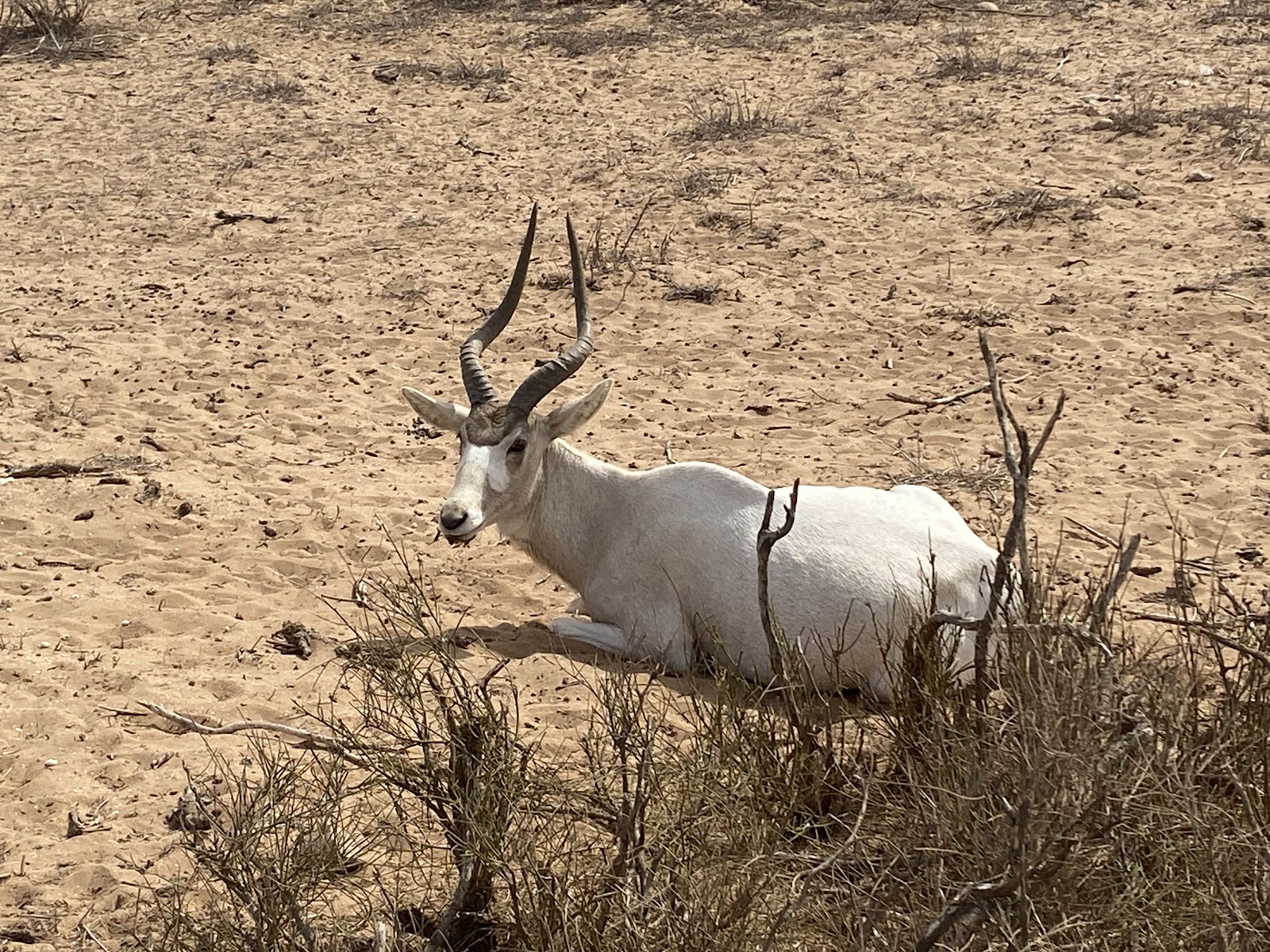
Souss-Massa lies 45 kilometres south—an easy morning drive. It’s a 3,000-hectare wildlife reserve where you can see creatures you won’t find elsewhere in Morocco: ostriches (genuinely large and unfamiliar if you’ve never encountered one), red gazelles, the rare addax antelope, and if you’re lucky, oryx.
The honest version: Souss-Massa isn’t a wilderness experience. It’s a managed park with feeding stations and predictable animal behaviours. That’s not a criticism—the animals are real, the rarity is genuine, and the conservation effort behind it matters. Go for the specificity of the fauna, not for Instagram-ready “wild Africa” moments.
Cost: Park entry runs 150 MAD per person. Most operators bundle this with transport and lunch (often at a roadside kasbah) and charge 350–500 MAD total depending on how many people are in the group and whether lunch is included.
The quad-bike option: Some operators offer this as an add-on. Reviews praise it, but nobody specifies whether it’s included or optional, or what the extra cost is. Ring ahead.
What guides actually do: Competent ones explain the animal behaviour and the conservation backstory. Poor ones point and narrate species names. The reviews don’t flag major differences in guide quality, which suggests the park trains them to a baseline standard.
Duration and logistics: Tours typically run 4–5 hours from Agadir pickup to dropoff. The composite itinerary—Tifnit village, Sidi Bibi beach, kasbah lunch—appears popular but depends on your operator. If you book through the park directly, you pay less but organise your own transport. If you book through Tour Agadir, Agadir Touring, or Agadir Oasis, you pay more but the logistics are handled.
Best in: November through March. Summer heat makes the animals less active (they shelter during midday) and the park less rewarding to explore on foot.
Anti-Atlas mountain villages Agadir day trip
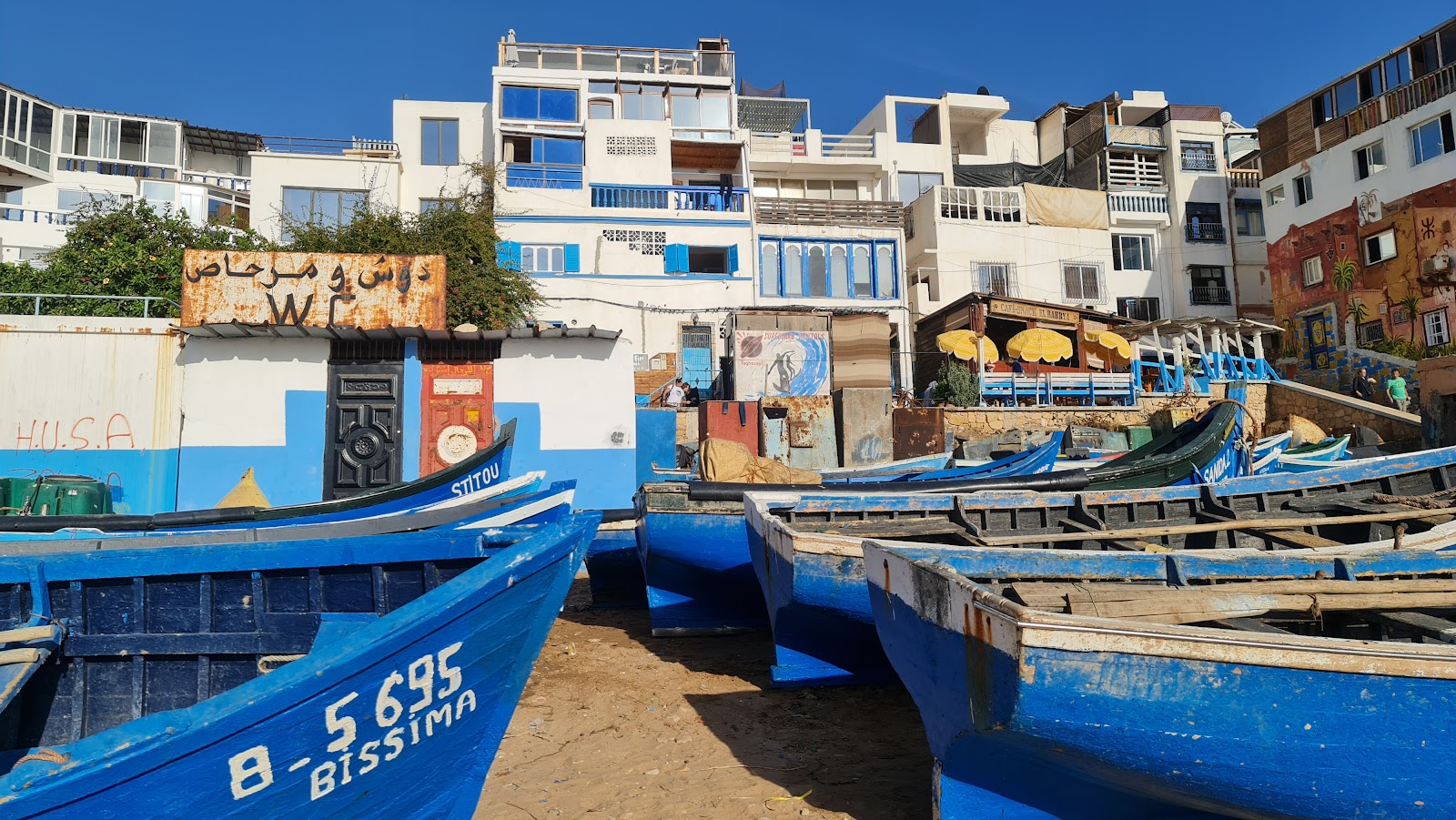
The Anti-Atlas range rises immediately south of Agadir. Villages perch on slopes at 800–1,200 metres: Imouzzer des Ida-Outanane, Tafraoute, and the Ameln Valley form a genuine circuit, though a single day forces choices.
Imouzzer des Ida-Outanane (45 km south; 1.5 hours): The town itself is ordinary—a hillside sprawl of apartment blocks and cafés. The draw is the valley floor: Thursday souk, argan cooperatives, and the waterfall walk (which flows only in winter). Most operators fold this into Paradise Valley runs or argan tours.
Tafraoute (95 km south; 2.5 hours): A genuinely attractive town, built from pink stone in a genuinely dramatic gorge. The town itself warrants 90 minutes of wandering—cafés, a proper souk, and the painted rocks (boulders in the valley below town, decorated in the 1980s by a Belgian artist). It’s enough to justify a day trip if you’re willing to trade other plans. Few operators do Tafraoute solo; it usually pairs with argan tours or Anti-Atlas loops that also hit Agadir Fun’s multi-activity days.
The Ameln Valley: A series of small hamlets in a spectacular gorge south of Tafraoute. The drive alone—winding roads through terraced walnut orchards—justifies the trip. Hiking options range from gentle valley walks to proper scrambles. Most solo travellers rent a car and drive through on their own terms; organised tours rarely venture this deep because parking and facilities don’t exist to handle groups.
The honest take: Anti-Atlas villages aren’t “hidden gems”—they’ve been on the tour circuit for decades. What they are is genuinely pretty and sufficiently far that a full day justifies the journey. Book a rental car (200–300 MAD) or commit to a guided tour (400–600 MAD all-in). Most operators overcharge for the convenience; solo driving is often cheaper and more flexible unless you’re uncomfortable with Moroccan road standards.
Argan cooperative tour Agadir
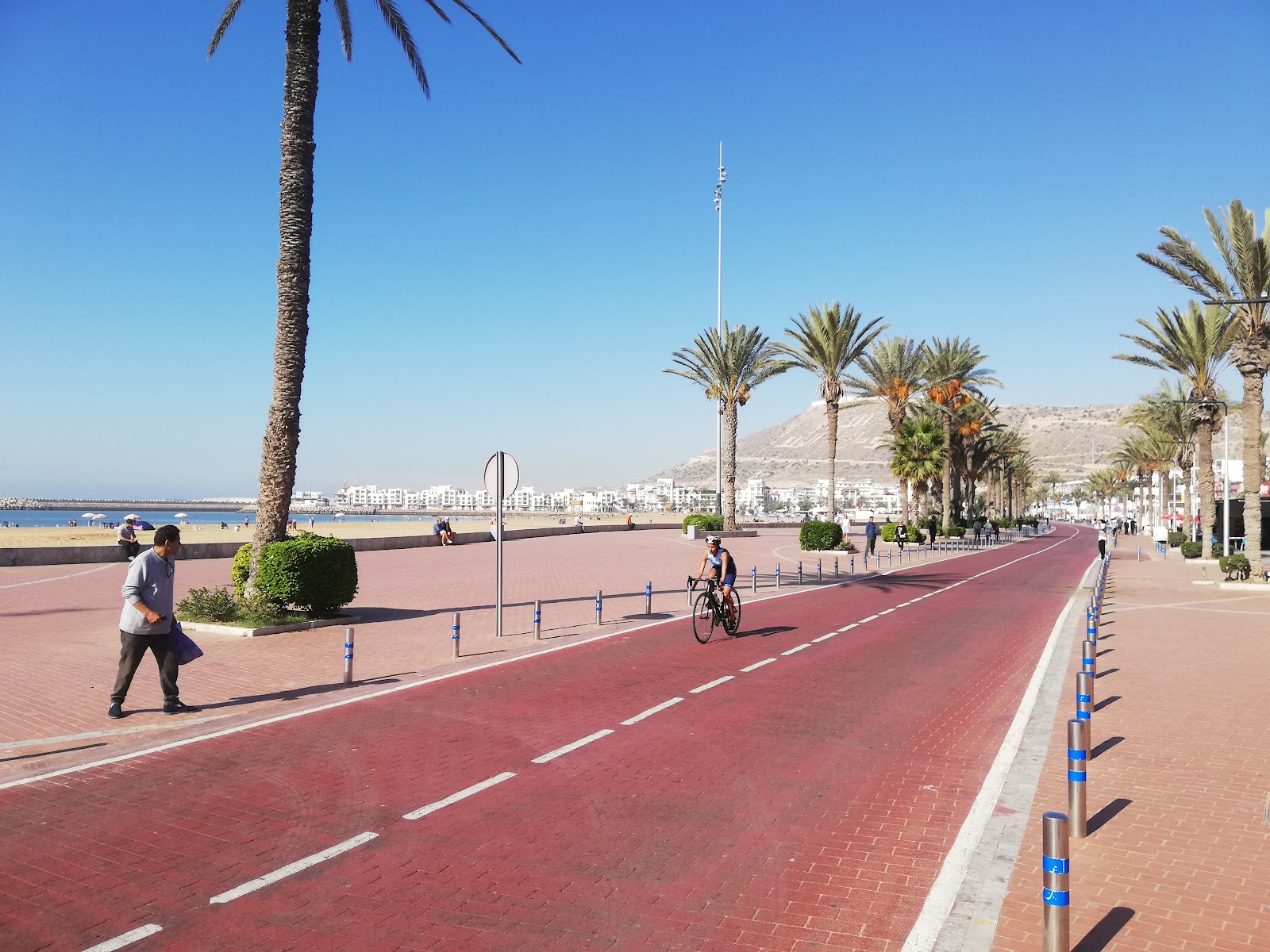
The argan tree grows only in southwestern Morocco. The oil is traditional—used for cooking and skincare—and the cooperative model is real (women’s cooperatives own and operate most production). The tourism angle is undeniable; argan tours have become a standard add-on to every itinerary.
What actually happens: You arrive at a workshop (often called a cooperatives, though ownership varies), watch women crack nuts and hand-press oil, buy bottles at 2–3× what you’d pay in a souk. Tours usually run 45 minutes to an hour. Some guides explain the labour economics genuinely; others narrate talking points without substance.
Cost: Usually bundled into multi-activity tours. Standalone visits cost 0–100 MAD depending on whether you’re “dropped off by a guide” (free) or “on an official tour” (100 MAD), plus whatever you’re pressured to buy.
The “goat tree” circuit: Operators often combine this with the argan workshop. It’s a real tree (Argania spinosa) and goats do genuinely climb it to eat the fruit. Your guide will manufacture a photo opportunity. It’s mildly diverting and usually bundled at no extra cost. Don’t go solely for this.
Which operators handle it well: Agadir Oasis Tours consistently gets praise for guide knowledge and adaptation—one reviewer mentioned the guide sheltering the group during unexpected weather. Agadir Touring Activities mentions off-the-beaten-path routing, which suggests willingness to deviate from script. Both are worth calling to ask whether they can skip the gift-shop pressure if you’re not interested in buying.
Pricing reality: Expect to spend 150–250 MAD on oil if you visit a cooperative tour. Souk prices run 80–150 MAD for equivalent bottles. The difference is operator markup and guide commission. It’s not a scam—the oil is real and the cooperatives do need custom—but know what you’re paying for.
Imouzzer waterfalls day trip Agadir
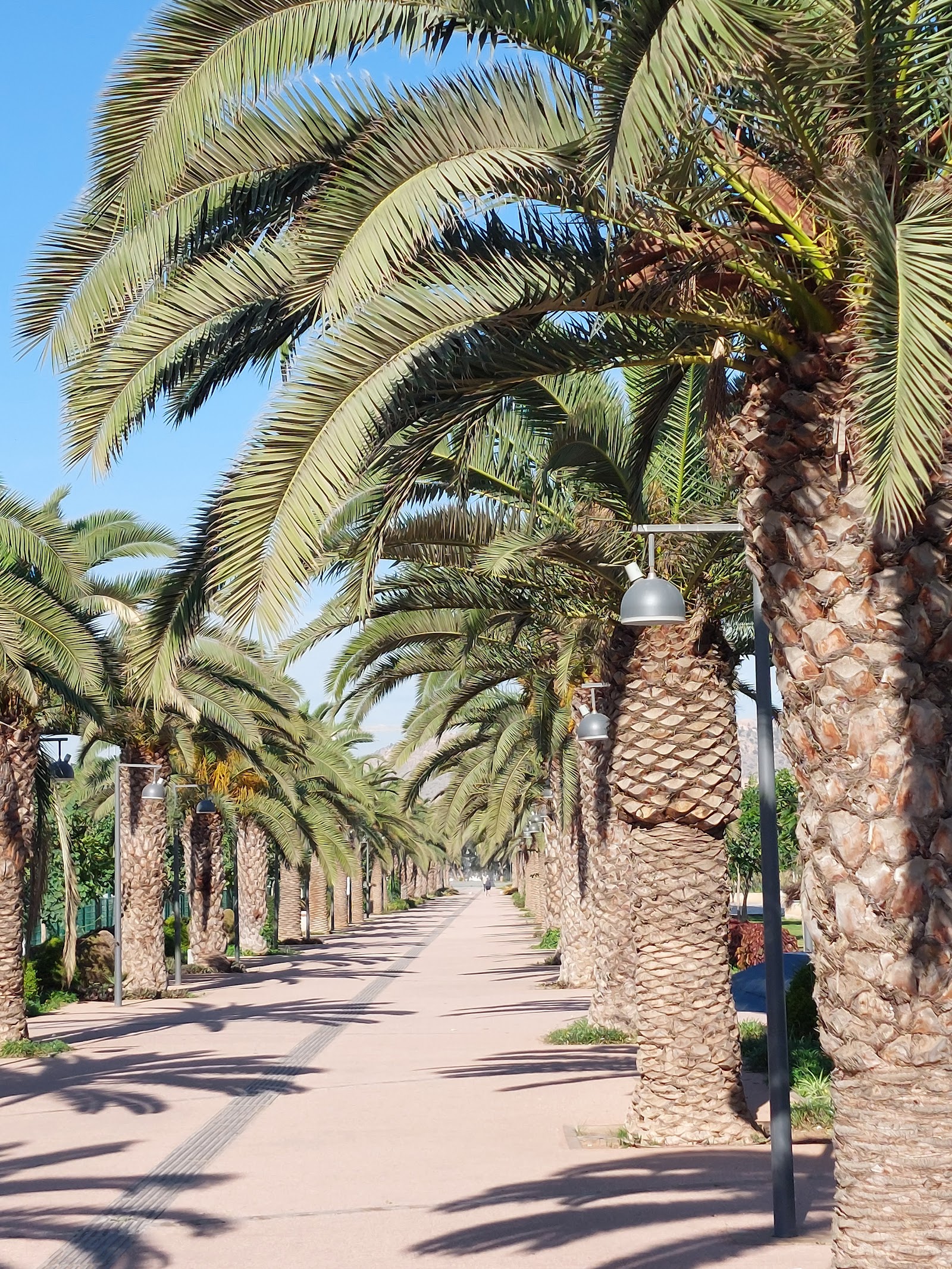
Imouzzer des Ida-Outanane sits in a valley where three seasonal streams converge, creating waterfalls that flow October through April. Dry season (May–September), they reduce to trickles or dry entirely.
The reality: The town itself is unremarkable. The valley floor and the waterfall walk are the draw. The walk follows a rocky path downstream for roughly 90 minutes, ending at a pool beneath a 30-metre drop. It’s moderately steep and requires decent footwear, but not a technical climb.
Cost and logistics: Most operators pair this with argan tours or Paradise Valley runs. Standalone, it’s a 1.5-hour drive from Agadir (90 km) and justifies a half day. Full-day tours usually bundle it with another site to avoid wasting drive time.
Seasonal caveat: October through November and February through April, the falls are reliable. December–January, they depend on recent rain. May–September, you’re looking at minimal water and a hotter walk. Book only if you’re visiting in the reliable window.
Guides: Local guides know the safest routes and the best vantage points. The waterfall walk is straightforward enough to do solo, but a guide (roughly 80 MAD) adds context about the valley’s history and the seasonal patterns.
Taroudant day tour from Agadir
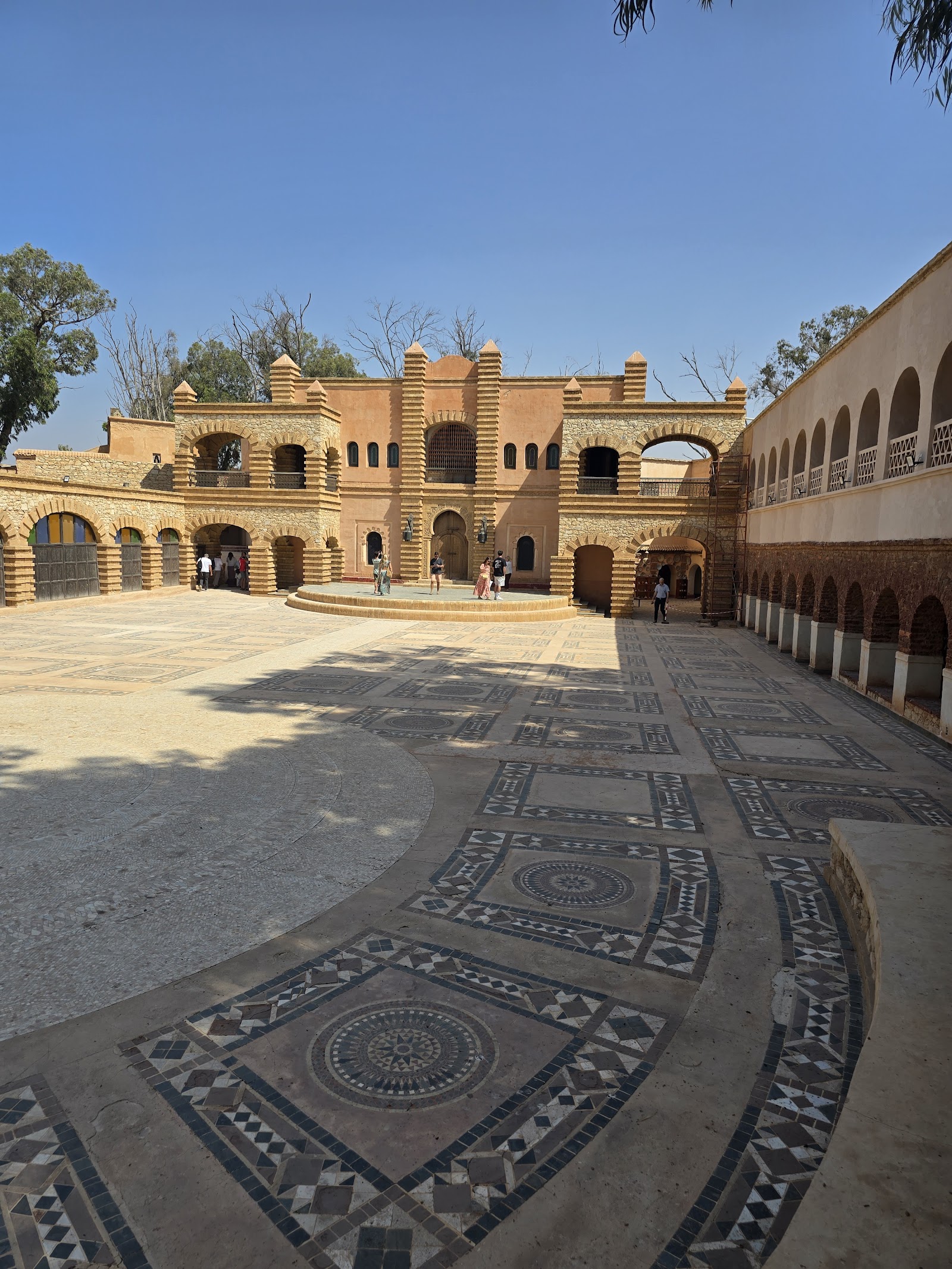
Taroudant, 90 kilometres inland (1.5 hours), is a walled medina town without the tourism crush of Marrakech. It’s genuinely worth a day if you like old towns and aren’t expecting “authenticity”—it’s a working market town with tourists, not a museum.
What to do: The ramparts (7 km, walkable in 2–3 hours, views of the Atlas). Two souks—one for produce, one for tourist goods. A handful of cafés and restaurants. A few riads if you want to overnight. Most people spend 3–4 hours here and call it a day.
Cost: Petrol and parking if driving solo (200–300 MAD car rental). Guided tour (400–600 MAD) typically bundles transport, a medina guide, and lunch. Solo is cheaper if you’re comfortable navigating and finding food without hand-holding.
Reality check: Taroudant isn’t “undiscovered.” It’s on every tour operator’s roster. The appeal is the genuine medina and the absence of the Marrakech-level tourist infrastructure, not some secret-back-alley magic. Go if you like old towns; skip if you’re chasing “authentic Morocco” fantasies.
From which operators: Neither Tour Agadir nor Agadir Touring list Taroudant on their standard menus, though they may arrange custom tours. Ring ahead. Standalone car rental is often the better deal unless you specifically want guided context.
Best tour operators Agadir excursions
Tour Agadir runs tight city loops—Kasbah, Hassan II Mosque, argan factory, Souk el Had—with 30-minute stops at each. Groups run large (17+ people), so you’re not getting intimate access, but the guides (Abdul is consistently praised) have genuine warmth and operational competence. The driver (Mohammed) handles big groups safely. The 5.0 rating from 187 reviews feels suspiciously unanimous—genuine operators collect grumbles about pace and weather. Solid baseline, but shop around.
Agadir Touring Activities & things to do & excursions handles quads, jeeps, hammams, and day excursions from Boulevard du 20 Août. The 45 reviews are uniformly positive (red flag for curation), but they agree that the team—Imaad is named—genuinely accommodate last-minute changes and off-the-beaten-path routing. No pricing on file and no concrete details on group size or duration. Ring them directly to pin down specifics before committing.
Agadir Oasis Tours runs half- and full-day excursions: camel rides, Paradise Valley, quads, argan/goat tree circuits. The reviews are consistently positive and specific enough to seem genuine. Guides get consistent praise for knowledge and responsiveness. The owner apparently helps with wider trip planning. Solo female travellers report feeling safe. The main gap: no transparency on group size, inclusions, or cancellation terms. Email first.
Agadir Fun operates multi-activity packages (quads, horses, hammam, Berber shows). The reviews split cleanly: five-star accounts praise personal service and value; one-star reviews describe serious failures (45-minute late pickups from wrong locations, five-hour trips advertised as two hours, air-con-less transport, refusals to share activity addresses). The pattern suggests inconsistency rather than systematic failure. If you book here, confirm pickup location and time in writing beforehand. The hammam and horse riding reviews are solid; quad logistics are mixed.
Agadir Loisirs Quad runs quad and buggy trips through the Argan forest. Moussa, Hamza, and Bouchaib are consistently praised as guides who engage with clients. Mint tea stops are standard. Nobody mentions price, duration, group size, or what safety gear is provided. Worth calling to nail down specifics.
How to book a day trip from Agadir without wasting a day
1. Define what you actually want. Paradise Valley for swimming? Wildlife spotting at Souss-Massa? Village wandering? Argan shopping? Be specific, because “best of Agadir” tours are usually “most stops in shortest time” tours, which favours none of them.
2. Ring the operator directly. Don’t rely on Google reviews or website descriptions. Ask for: exact pickup time and location, group size (avoid 15+ unless you want a minibus experience), what’s included beyond transport, cancellation terms, and price in MAD. If they won’t give you straight answers, move on.
3. Confirm cancellation terms in writing. Moroccan weather can shift fast. Know whether you get a refund, a reschedule, or nothing if the operator cancels for rain or you cancel for any reason.
4. Arrange your own transport if you’re comfortable driving. Car rental (200–300 MAD) is often cheaper than a guided tour for two or more people, and you set the pace. Downsides: navigation, fuel, parking. Upsides: flexibility, lower cost, no minibus sociability.
5. Ask what time lunch actually happens. Many tours promise “lunch included” and deliver a rushed 30 minutes at an operator’s preferred restaurant. Specify whether you want a proper sit-down meal or whether quick-stop cafés are fine.
6. Bring more water than you think you’ll need. 2 litres minimum for a half-day, 3–4 for a full day. Most tours include one bottle. Refill points exist but aren’t guaranteed in remote areas.
FAQ
Is Paradise Valley worth the drive from Agadir?
Yes, if you’re willing to accept it’s a half-day commitment (3–4 hours on-site, 3 hours travel). The canyon walk is genuinely rewarding and the pools are swimmable year-round. Go with realistic expectations: dry-season pools are shallow and brown, not Instagram turquoise. Bring proper shoes.
Can I visit Souss-Massa National Park solo or do I need a guide?
Solo is possible; guided is better. You’ll see animals either way, but a guide explains behaviour and knows where sightings are likeliest. Cost difference: 150 MAD park entry solo versus 350–500 MAD with an operator’s full package (including transport and lunch). If you’re comfortable renting a car and navigating, solo saves money.
What’s the actual cost of an argan cooperative tour?
Expect 0–100 MAD for the tour itself, plus 150–250 MAD if you buy oil (which the operator will encourage). Equivalent oil costs 80–150 MAD in souks. The difference is markup and guide commission. It’s not a scam, but know what you’re paying for before you feel obligated.
Which operator should I book for a full-day Anti-Atlas circuit?
Agadir Oasis Tours consistently gets praised for guide knowledge and willingness to adapt. Agadir Touring Activities mentions off-the-beaten-path routing. Both are worth ringing to compare pricing (likely 400–600 MAD) and group size. Honestly: a rented car often offers better value and flexibility if you’re confident driving Moroccan roads.
Is the “goat tree” worth seeing?
It’s real, goats genuinely climb it, and your guide will photograph you there. It’s mildly diverting and usually bundled into argan tours. Don’t make it your sole reason for a trip. Most people spend 15 minutes here and move on.
When should I avoid day trips from Agadir?
June–August (heat makes outdoor activities exhausting), and May–September if you specifically want to see waterfalls (they dry up). October–April is the sweet spot: temperatures are manageable, water levels are reliable, and you’ll actually enjoy the walking.
Do I need travel insurance for these day trips?
Quad biking and climbing carry genuine injury risk. Check whether your standard travel insurance covers “adventure activities” or whether you need a rider. Most operators carry liability insurance, but it’s their liability, not yours. Clarify coverage before committing to high-risk activities.
Keep reading
experience
Best Hammam in Agadir 2026: Traditional vs Spa Guide
Find the best hammam in Agadir 2026—traditional Berber rituals or luxury spa treatments. Prices, etiquette, and where locals actually go.
practical
How to Get from Marrakech to Agadir in 2026: Transport Guide
Direct buses, private transfers and the A7 highway: how to travel from Marrakech to Agadir in 2026 without the tourist markup.
 experience
Is Agadir Worth Visiting in 2026? An Honest Take
Is Agadir worth visiting in 2026? An honest take on sun, safety, and whether it deserves your holiday over Marrakech or Taghazout.