Where to Stay in Agadir 2026: Complete Guide to Hotels, Hostels and Surf Camps
Where to stay in Agadir 2026: compare beachfront hotels, surf hostels in Anza & Taghazout, and family-friendly riads. Honest reviews, prices, vibes.
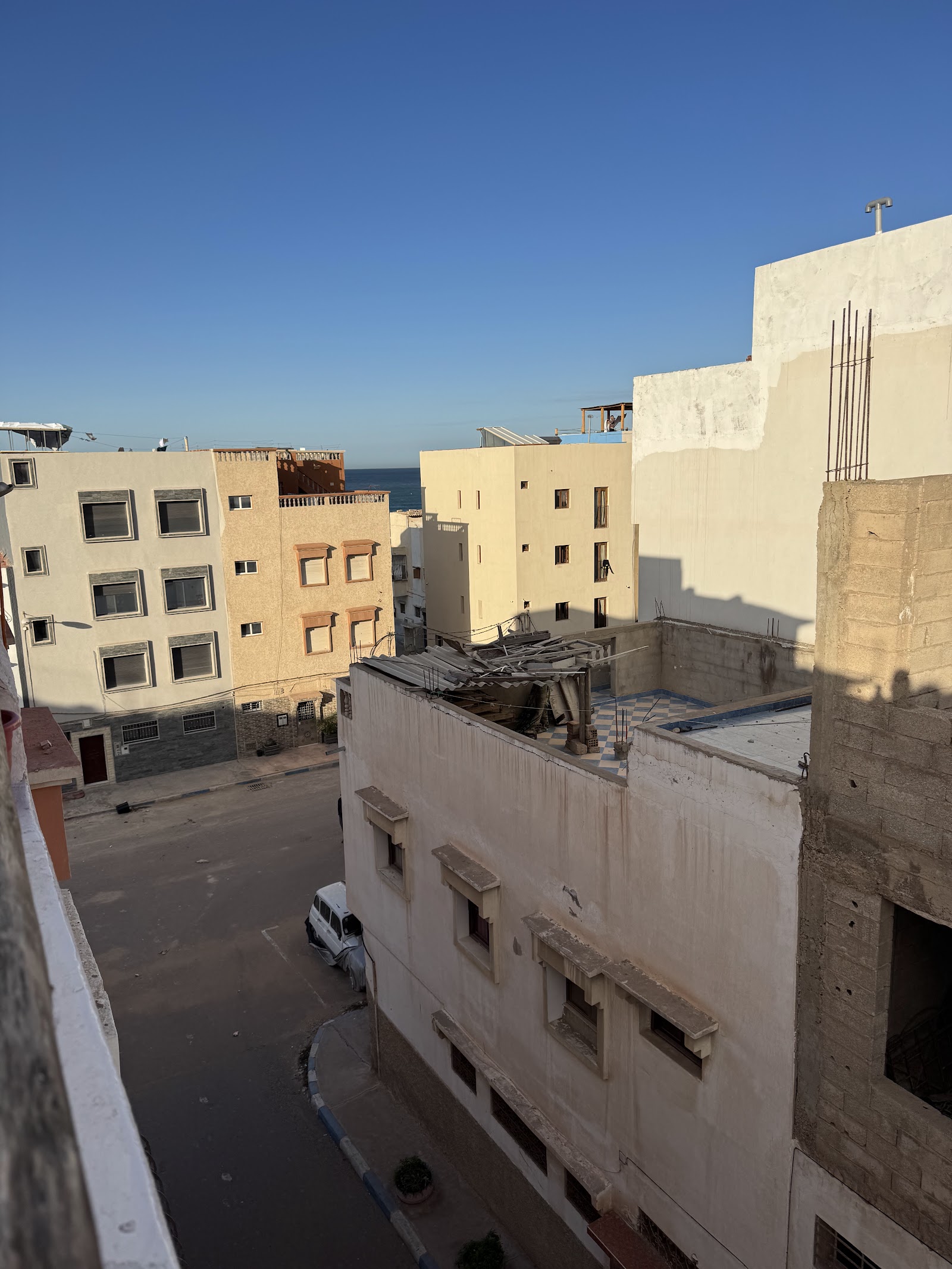
Where to stay in Agadir 2026: first time visitors
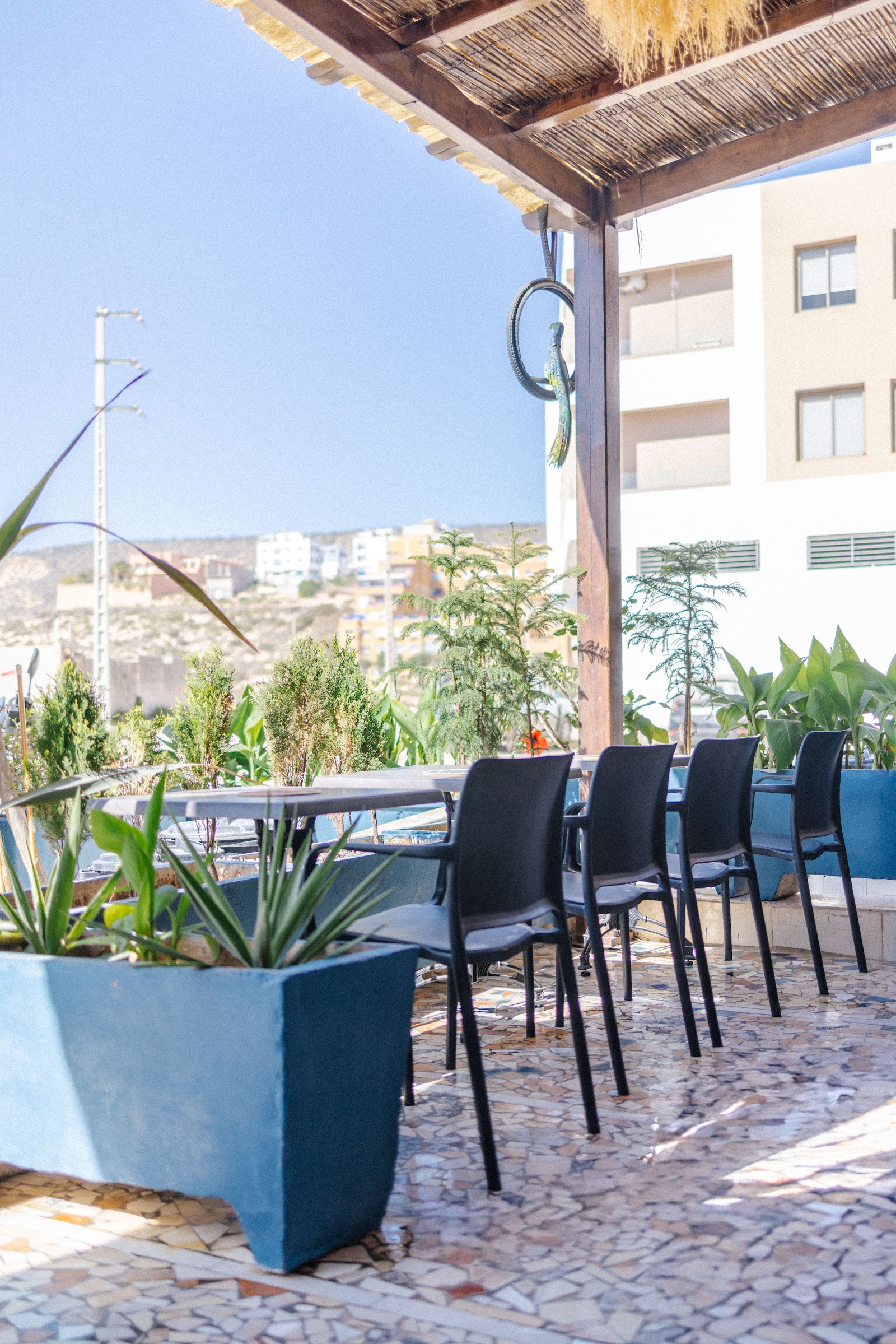
Your first trip to Agadir hinges on what you actually want to do. If you’re flying in to rest on a decent beach without the medina’s compressed energy, stay on the Corniche or in Anza—you’ll be walking distance from sand and cafés, close enough to explore but far enough to escape. If you’re learning to surf or want a social, slower rhythm, stay in Taghazout or Tamraght. The villages are ninety minutes north—far enough that you’ll feel genuinely removed, close enough for a long taxi if you miss the city.
Most first-timers should avoid Agadir’s medina unless you’re after souks and street food chaos. The Corniche hotels are pricier, but you’re paying for proximity to the beach and fewer navigation headaches. Hostels in Anza (Jurassic Surf House, Tidmi Wave, Soul Surf House) offer the community thing without the medina noise, and beds typically run 150–220 MAD nightly. If you want hotel-standard privacy with proper breakfast, expect 400–800 MAD for two people.
Taghazout and Tamraght suit slower stays—a week minimum makes sense. The accent there is teaching (surfing, yoga, mountain biking) and food as social glue. You’ll pay slightly less than central Agadir but spend more on transport back to the city if you decide you need it.
Agadir city vs Taghazout: which location suits your trip
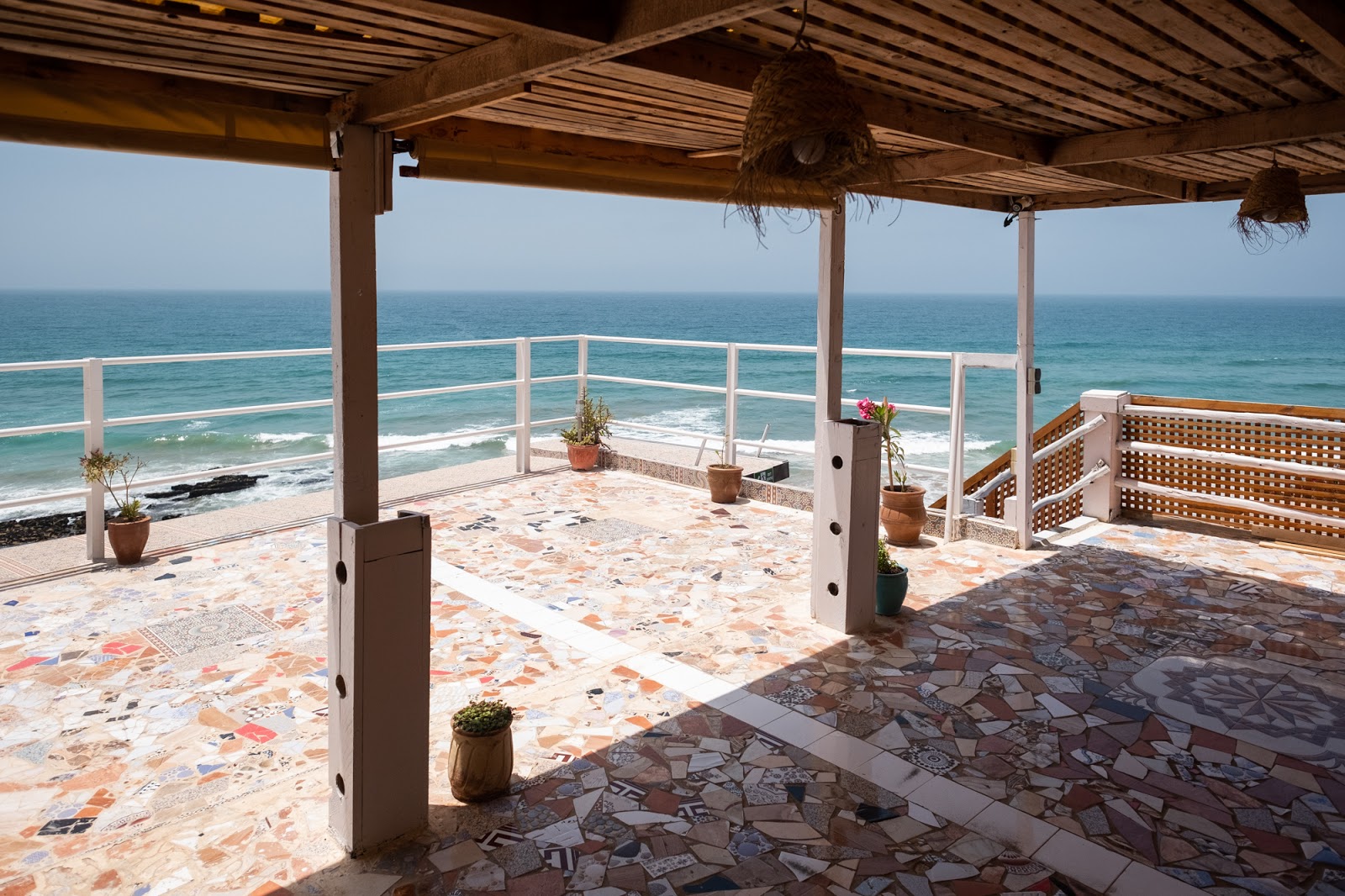
Agadir city means beach access in five minutes, restaurants that don’t revolve around your accommodation, and enough anonymity that you can ignore other travellers. You’re trading quiet for logistics: medina energy, more tourists, and noise from the Corniche road. City stays suit people on short trips (3–5 days), families, and anyone wanting to decompress without committing to a rural vibe.
Taghazout and Tamraght—two small villages with maybe fifteen cafés combined—mean you’re staying because of your accommodation, not despite it. Food, community, and teaching are the point. You’re isolated enough that a bad hostel becomes miserable; a good one becomes transcendent. These suit week-long stays, surfers (beginner or otherwise), and solo travellers who want structure without loneliness. The trade-off: if you arrive on a swell day and the hostel’s disorganised, you’re stuck. If you’re digital-nomad working, the wifi varies week to week.
Anza—the neighbourhood between them—splits the difference. It’s Agadir’s northern beach suburb with local restaurants, actual Moroccan residents (not tourists), and enough quiet that you’re not paying Corniche prices. Ten minutes by taxi to the medina, twenty to Taghazout. Works well for week-long stays, surfers, and anyone wanting Agadir without Agadir’s noise.
Best beachfront hotel Agadir Corniche for sea-view stays
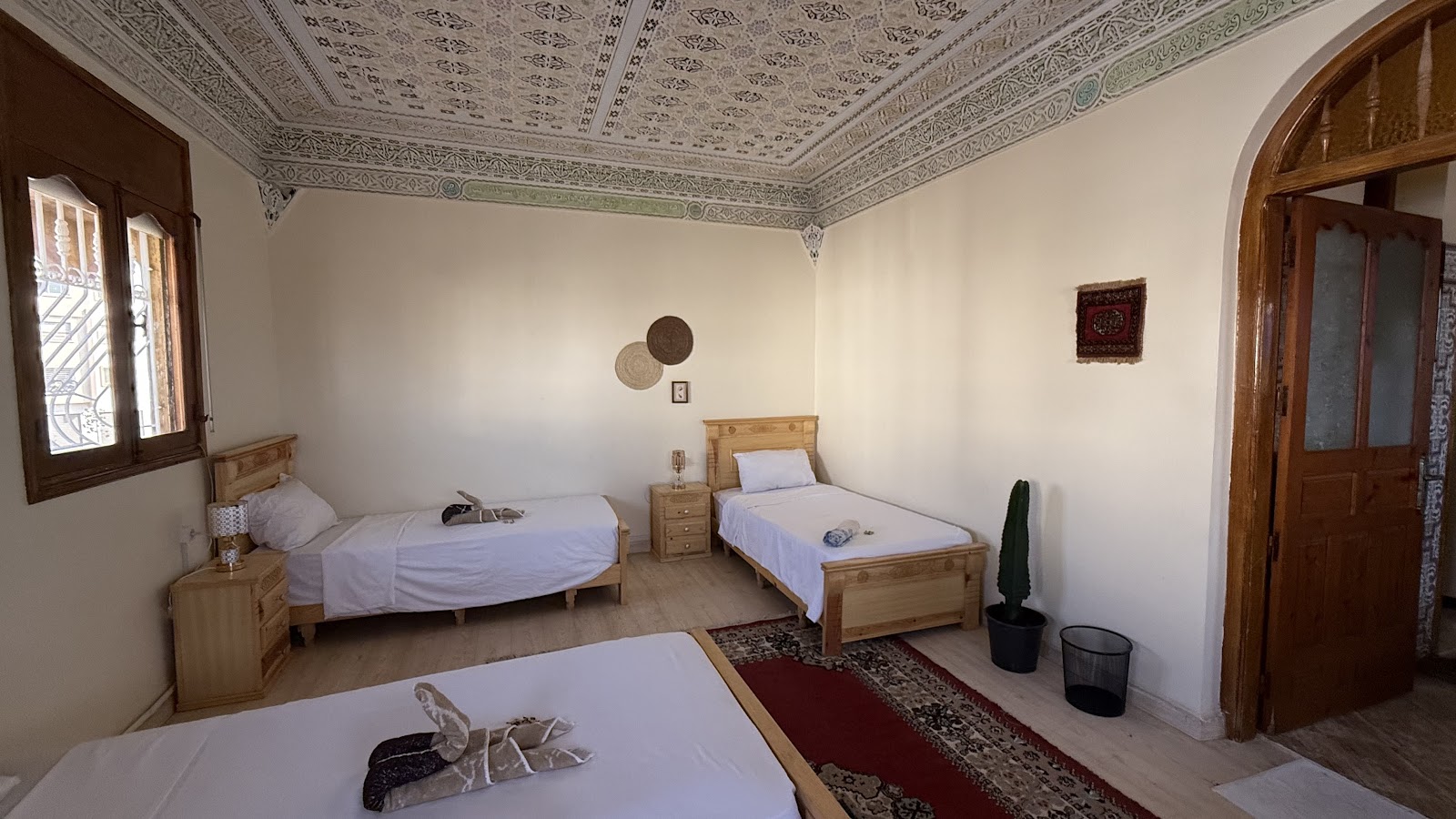
The Corniche runs about two kilometres along Agadir’s main beach. Hotels here charge premium rates—typically 800–1,800 MAD nightly for two people—because you’re paying for the view and the promenade’s restaurants and bars. The trade-off: traffic noise from the main road is constant during the day, and you’re surrounded by tourists.
None of the featured venues in this brief sit on the Corniche itself. The closest is Surf Coast Morocco in Taghazout, which genuinely sits on the beach with views that reviewers unanimously praise. It’s not Agadir’s Corniche, but the location delivers what the Corniche sells: ocean in front, the village behind. Rooms run roughly 400–700 MAD based on comparable Taghazout hotels, and you get a terrace facing waves rather than a road facing cars.
If you insist on Agadir’s actual Corniche, book direct with the four-star chains (Sofitel, Ibis, etc.) rather than through budget aggregators. They’ll hold rooms and can confirm you’re not facing the road. Budget 1,200–2,000 MAD nightly. Arrive early enough to secure a sea-view rather than garden-view room, which makes the difference between “worth the price” and “regretted it”.
Family-friendly hotel Agadir 2026: where kids actually sleep
Families struggle in Agadir’s medina—cramped, loud, and difficult to navigate with luggage and children. The Corniche hotels (Sofitel, Ibis, etc.) market themselves to families because they offer space, pools, and noise you can control. Budget 1,400–2,200 MAD for two adults and a child.
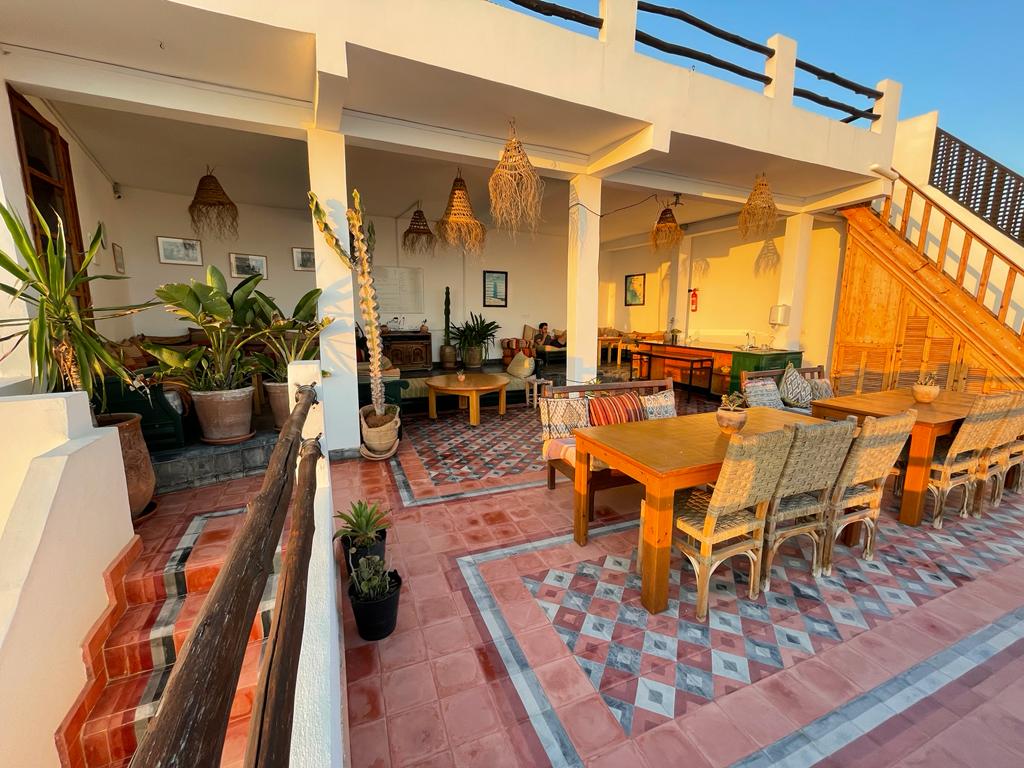
The featured venues in this brief lean toward solo travellers and couples. Freebirds, Azoul, and Roof House all run social hostels that welcome families but aren’t purpose-built for them—rooftop terraces, communal dinners, shared bathrooms. Kids handle it fine if they’re over ten and comfortable with a slightly chaotic vibe.
For families with younger children, you need hotel infrastructure: dedicated kids’ clubs, reliable air conditioning, and a pool. Agadir’s four-star chains deliver this. Book a suite or two connecting rooms; they’ll feel easier than a single room with three people. The beach promenade is genuinely safe for families after 5 p.m., and restaurants along the Corniche have children’s menus and high chairs without fuss.
Boutique hotel Agadir Marina: characterful, mid-range stays
Agadir’s Marina district sits to the south of the Corniche—quieter, with working fishing boats and actual local restaurants rather than tourist ones. It’s a genuine alternative to Corniche hotels, though fewer dedicated boutique properties exist there compared to Taghazout.
None of the featured venues sit in the Marina specifically. However, riads in Agadir’s old medina (outside the featured set) offer that boutique aesthetic—carved plasterwork, central courtyards, personalised breakfast—for 500–1,200 MAD nightly. These sit closer to the noise and the crowds, but they’re architecturally satisfying and usually run by families rather than chains.
Your best boutique option in the featured set isn’t strictly in the Marina but achieves that character: the smaller, owner-run hostels like Jurassic Surf House and Freebirds. They’re not hotels, but they offer the intimacy and personal attention boutique hotels sell. Beds run 150–250 MAD nightly, private rooms 350–550 MAD. You trade private bathrooms for genuine hospitality from someone who owns the place.
Surf hostel Anza or Taghazout: comparing beginner-friendly breaks
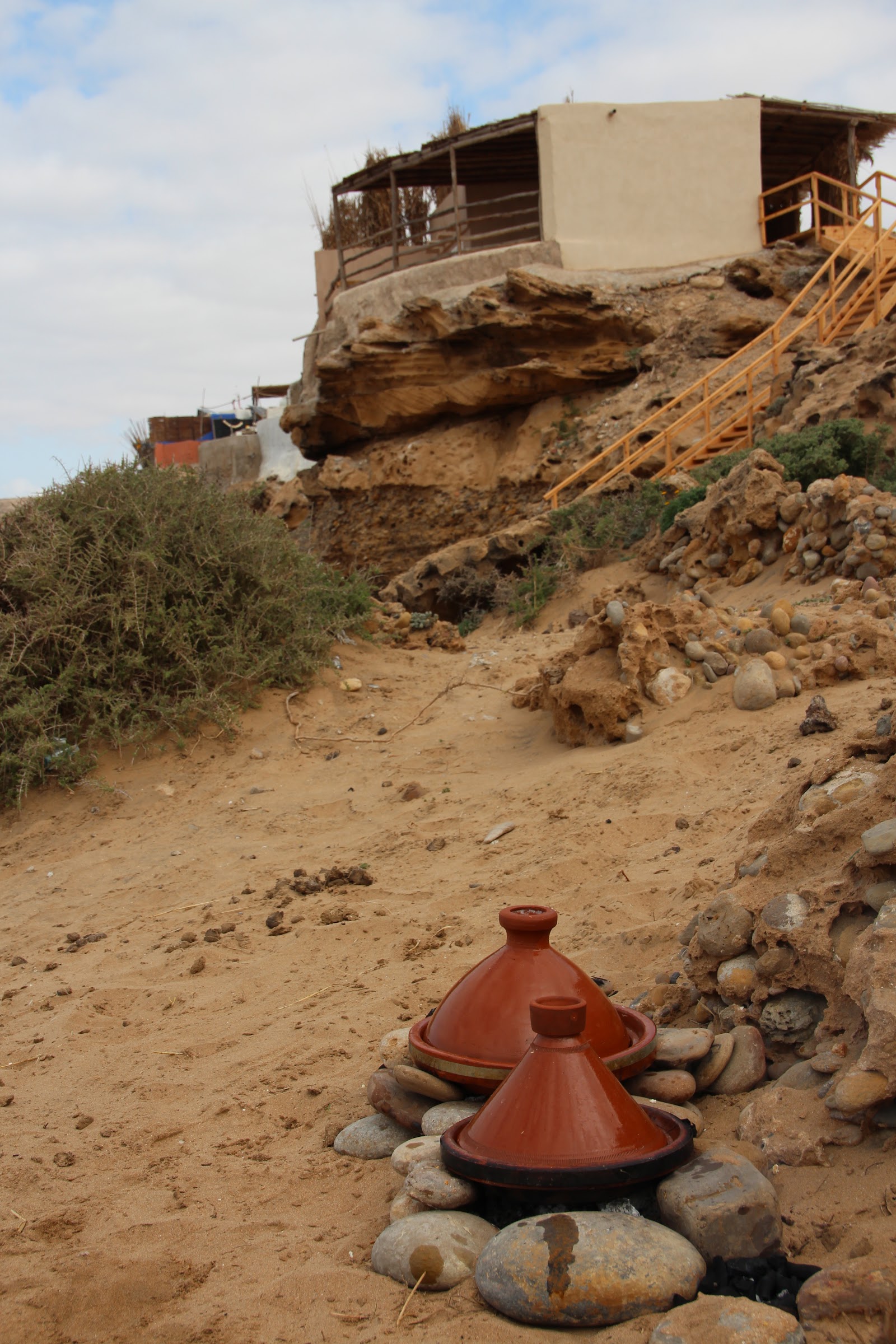
Anza and Taghazout face the same Atlantic swell, roughly ninety minutes north of Agadir city. Anza (three kilometres south of Taghazout) has slightly mellower beach breaks—Crescent Beach and Banana Beach—which suit absolute beginners. Taghazout itself has more variable breaks: anchor point (a trained point break), killers (a reef), and surrounding spots that shift with swell direction. Both work for learning; Anza’s slightly forgiving.
Anza hostels: Jurassic Surf House (owner Rachid, surf school run by Ayoub), Tidmi Wave (quiet, beach-adjacent), Soul Surf House (Walid’s team, terrace social scene). All three cluster within walking distance of the beach. Jurassic and Soul are specifically geared toward surfers; Tidmi is a quieter general hostel. Expect 150–220 MAD nightly for dorms, 300–500 MAD for private rooms.
Taghazout hostels and camps: Surf Camp Taghazout (5-star, beginner-focused instruction, 159 reviews), Taghazout Waves (organized, named instructors, yoga included), Freebirds (owner Mehdi, rooftop terrace, strong vibe), Roof House (communal dinners, Mohammed and Jamal), We Surf Morocco (tiered lessons, Abdel’s presence), Hashpoint (on the waterfront, experienced instructors), Azoul (rooftop social hub, 324 reviews), Happy Surf (solid basics, check arrival policy). The instruction quality varies sharply—Taghazout Waves and Hashpoint lead on beginner pedagogy; Azoul prioritizes social community. Expect 200–300 MAD nightly for dorms, 400–700 MAD for private rooms.
Neither village is objectively better. Anza suits someone wanting a quieter, smaller scene with mellower waves. Taghazout offers more hostel options, more restaurant variety, and more organized lesson infrastructure. Both work for first-time surfers.
Long-stay accommodation Agadir digital nomad: wifi, workspace, flexibility
Digital nomads in Agadir face a real problem: wifi is reliable in central hotels but unreliable in many hostels, and seasonal accommodation (renting an apartment for two months) requires local connections. That said, Agadir’s cost of living makes extended stays viable—you can live comfortably on €25–40 daily in a hostel or €50–80 renting a flat.
Hostel long-stay options: Freebirds, Azoul, and Roof House all mention guests staying for weeks or months. Azoul specifically notes “shared kitchen” in reviews, which suggests they’ll negotiate longer rates. Expect 3,000–4,500 MAD monthly (dorm) or 6,000–9,000 MAD (private room) if you negotiate a discount. Wifi is hostel-dependent—Azoul and Freebirds don’t mention wifi problems, which is a neutral signal but not a guarantee.
Apartment rentals: Agadir’s apartment market runs on Airbnb and local agencies. You’ll find one-bedroom flats in Anza or quieter Corniche neighbourhoods for 2,500–5,000 MAD monthly, including utilities. These typically come with kitchen access (essential for digital nomads on a budget) and more independence than hostels. The downside: no built-in community, and you’re responsible for booking wifi separately—expect 100–150 MAD monthly for decent home internet.
Best bet for nomads: rent a private room in a hostel for the first two weeks (Freebirds or Azoul), then either extend or move to an Airbnb apartment nearby. This gives you time to scope neighbourhoods without committing to a year-long contract.
Best riad Agadir 2026: traditional Moroccan stays
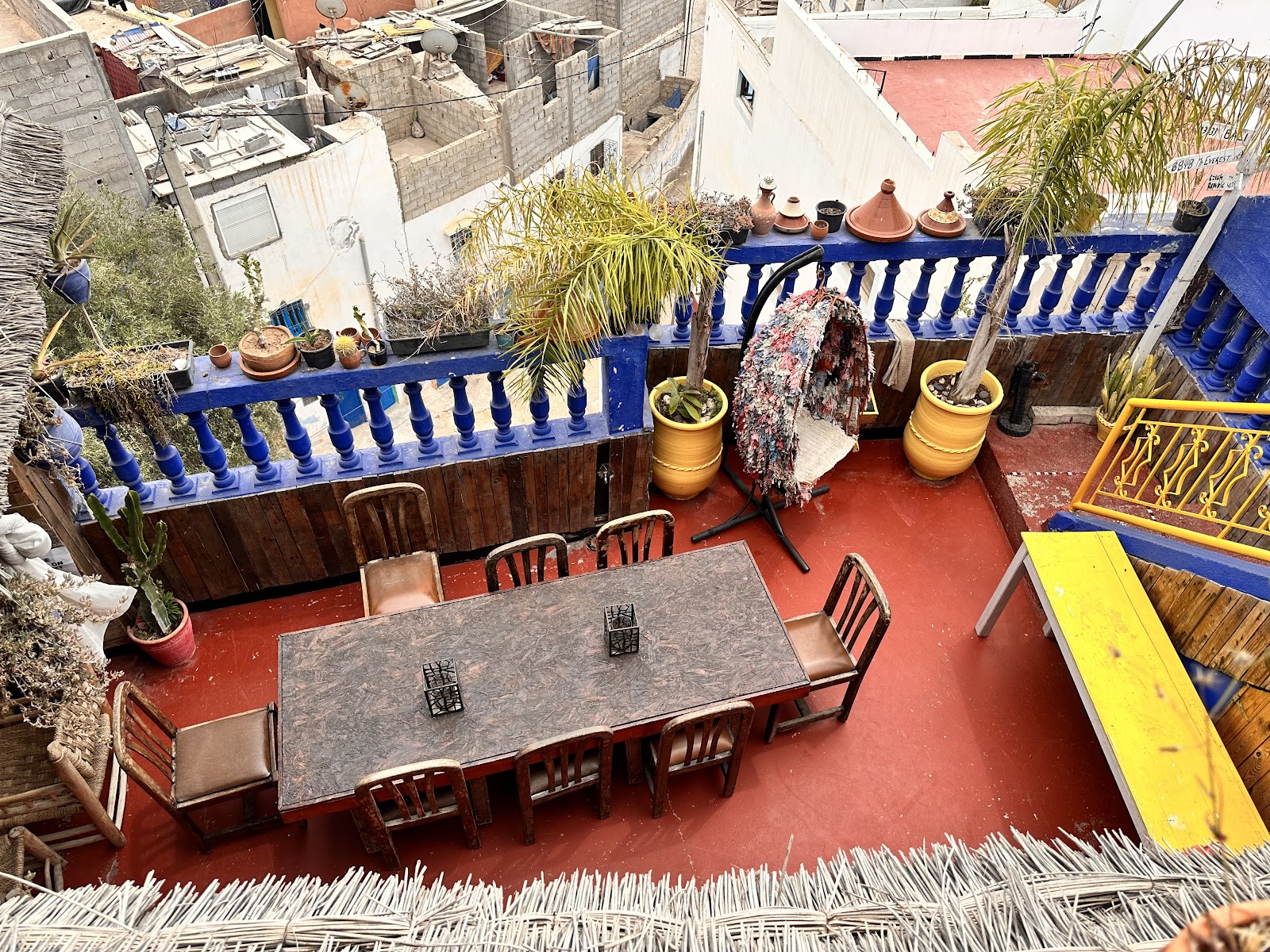
Riads—traditional homes built around a central courtyard—are Agadir’s answer to boutique hotels. They’re concentrated in the medina, most run by families or small operators, and they deliver aesthetic and hospitality that chain hotels can’t match. You’ll find carved plasterwork, tiled courtyards, and breakfasts that feel personal.
None of the featured venues in this brief are riads—they’re hostels and surf camps. However, the vibe you’re chasing (character, owner presence, Moroccan hospitality) exists in Jurassic Surf House and Freebirds. Both sit outside riads’ traditional format but deliver on the emotional promise: an owner who genuinely cares, Moroccan breakfast, and the sense you’re staying with someone rather than in a business.
If you specifically want a riad, search Agadir’s medina directly on Airbnb or Booking, filtering for “riad” or “traditional house.” Budget 600–1,500 MAD nightly for two people. Book one with confirmed air conditioning—medina rooms can be genuinely airless in summer. Request a room with a window; ground-floor medina rooms without windows are cheap for a reason.
Comparing value: price per night, what’s included, when to book
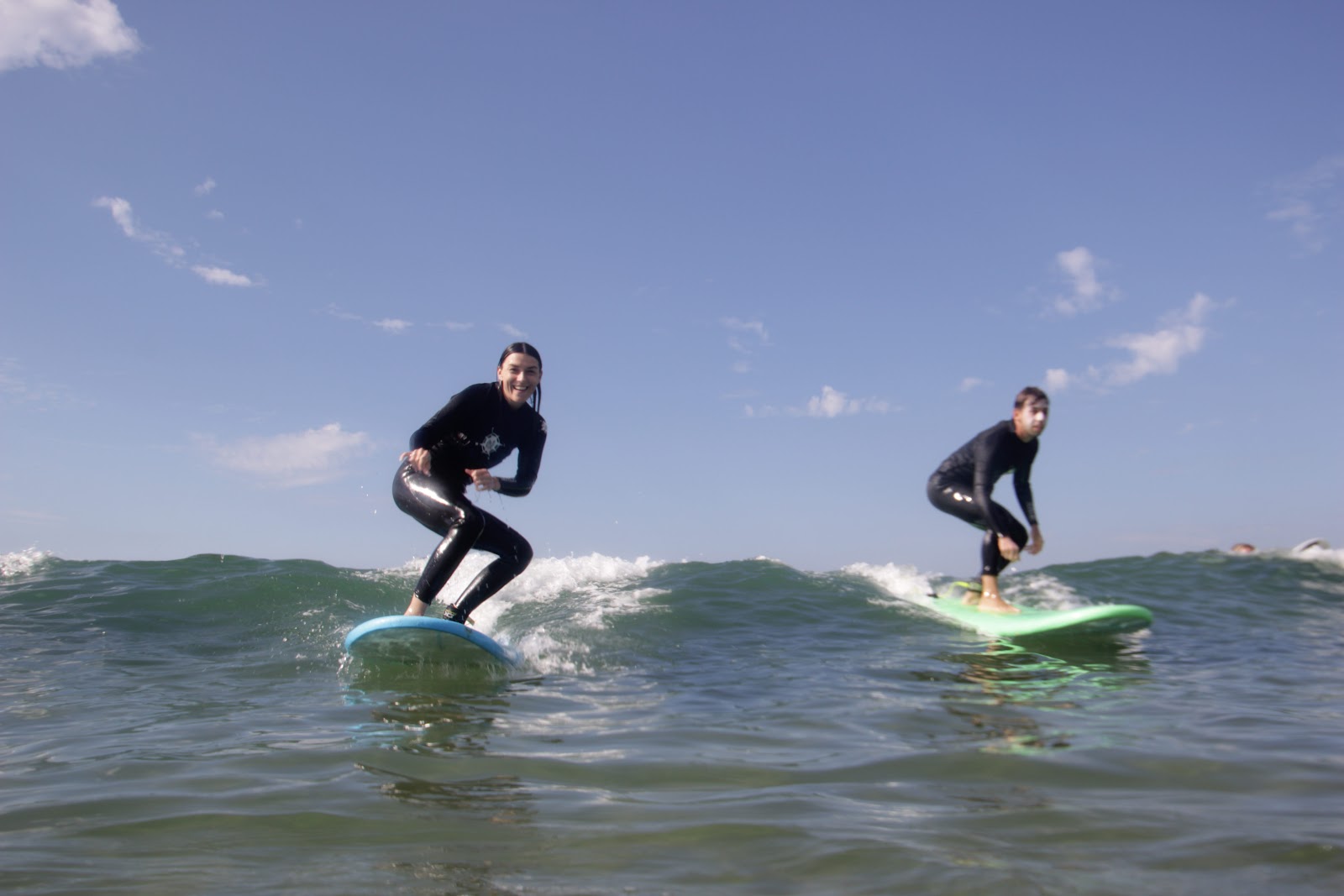
Agadir’s accommodation pricing splits clearly by season and location. High season (July–August, Easter, Christmas) runs 40–60% higher than shoulder season. Budget accommodation (dorms, basic hostels) stays roughly stable year-round—150–200 MAD nightly—while mid-range hotels inflate sharply.
Hostels (dorm beds):
- Agadir city & Anza: 150–220 MAD
- Taghazout/Tamraght: 200–300 MAD
Hostels (private rooms):
- Agadir city & Anza: 300–500 MAD
- Taghazout/Tamraght: 400–700 MAD
Hotels (mid-range, two people):
- Agadir Corniche: 800–1,200 MAD
- Anza neighbourhood: 600–900 MAD
Surf camps (all-inclusive, food & lessons):
- Expect roughly 1,500–3,000 MAD nightly for two people
- Beginner packages often run weekly rates (€500–900 total)
Most hostels include breakfast (typically Moroccan bread, jam, coffee); many surf camps include lunch and dinner. Check individual listings—it varies. Book directly with hostels if you’re staying over a week; they’ll knock 10–20% off the nightly rate. Taghazout camps are slightly cheaper if you negotiate longer stays.
When to stay where: seasonal trade-offs and swell patterns
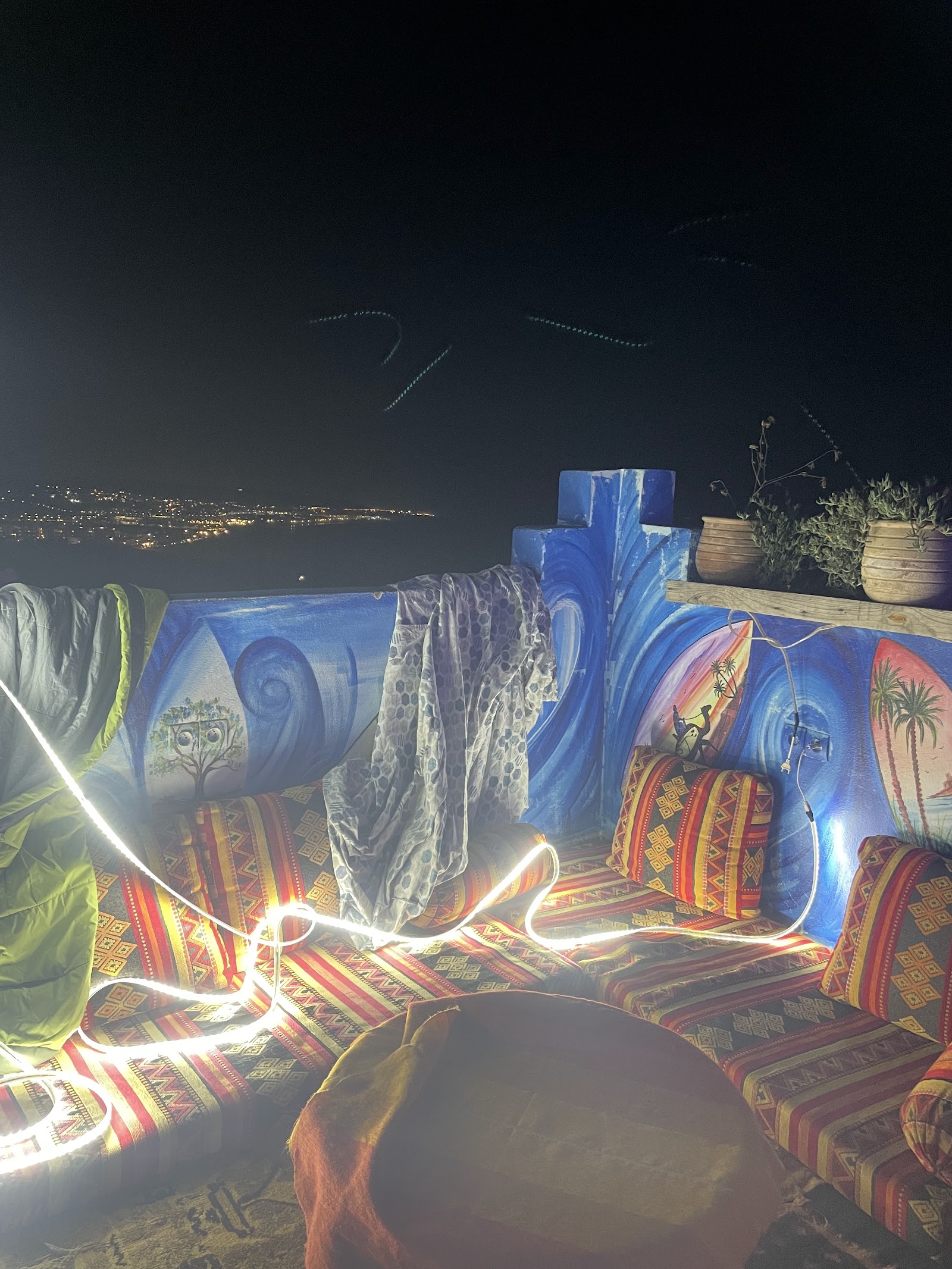
Summer (June–August): Beach crowds peak; medina heat is genuinely punishing (38–42°C). Swell is typically flat (not ideal for learning surfers, though wind swells appear). Hotels charge premium rates. Worth visiting only if you love heat and crowds.
Spring (March–May) and Autumn (September–October): The sweet spot. Temperatures run 20–26°C, water’s swimmable (18–21°C), swell is consistent (Atlantic swells hit regularly), and accommodation prices are moderate. Spring brings occasional wind; autumn is calmer. Book two weeks ahead for hostels; longer for camps.
Winter (November–February): Cooler (14–18°C air, 15–17°C water). Swell is excellent (Atlantic storms send consistent waves). Crowds thin. Rates drop 10–20% compared to shoulder season. Drawback: rainfall, some tent camping unavailable, and occasional days when rain ruins beach plans. Suits serious surfers and anyone averse to heat.
December–January: High season again (holidays), even though weather is cooler. Prices spike 30–40%. Book months ahead if you’re coming for Christmas or New Year.
If you’re learning to surf, come April–October. If you’re escaping winter, come November–February. If you’re just after a beach rest, come March–May.
How to book your stay in Agadir without getting stuck
-
Identify your priority: Are you here for surfing, beach rest, city exploration, or slow travel? This answer determines region (Agadir city vs. Anza vs. Taghazout).
-
Check the swell forecast and season: Visit magicseaweed.com or surfline.com, search “Agadir” or “Taghazout”. If Atlantic swells are forecast and you want to learn surfing, the timing works. If forecasts show flat seas, book a medina riad or Corniche hotel instead; you’re not here for waves.
-
Filter by booking method: Hostels typically have best prices booking direct via their website or WhatsApp. Hotels are competitive across Booking.com, Airbnb, and direct. Surf camps often require email inquiry—ring them (WhatsApp if available) to confirm availability and negotiate group/week rates.
-
Read recent reviews carefully: Don’t just scan ratings. Search for reviews from your intended check-in month—seasonal staff changes and maintenance issues rotate. If you’re traveling solo, search “solo” in reviews; families, search “family” or “children.”
-
Confirm specifics in writing before payment: Ask about wifi speed, room position (ground floor or view?), breakfast timing, noise levels during your intended stay dates, and cancellation policy. Get replies in email, not WhatsApp—easier to refer back if there’s confusion.
-
Book transport in advance if you’re heading to Taghazout: Direct taxis from Agadir airport to Taghazout run 300–500 MAD (one-way). Hostels often offer airport pickups for 100–150 MAD more; it’s usually worth it. Confirm this when you book accommodation.
FAQ
What’s the cheapest safe accommodation in Agadir?
Dorm beds in established hostels (Azoul, Freebirds, Tidmi Wave) run 150–200 MAD nightly and include breakfast. All three have 100+ reviews with minimal safety concerns. Solo travellers report feeling secure in shared spaces; dormitory mates are typically other backpackers, not random locals. Avoid unlisted rooms on Airbnb under 100 MAD—you’re not saving money, just risking cleanliness and security. Budget 150 MAD minimum for hostels with a genuine track record.
Is it better to book a surf camp or find a separate hostel and lessons?
Surf camps bundle accommodation, food, and instruction, which simplifies logistics and saves roughly 20% compared to booking separately. They work if you’re committed to learning (week-long minimum makes sense). Booking separately (hostel + local lessons) offers flexibility—you can quit lessons early, choose different instructors, or skip entirely if conditions are poor. For absolute beginners, camps like Surf Camp Taghazout or Taghazout Waves reduce decision fatigue. For intermediate surfers or anyone wanting autonomy, book a hostel and find lessons independently.
Do I need to book accommodation months in advance?
High season (July–August, Christmas, Easter) requires booking 6–8 weeks ahead for decent hostels and camps. Shoulder season (March–May, September–October) needs 2–4 weeks. Winter (November–February, excluding holidays) can often be booked 1–2 weeks out. If you’re flexible on dates, you can save 15–25% by traveling during unpopular weeks—November or February, for instance. Book as soon as your flights are confirmed; you can always cancel with 7–14 days’ notice on most sites.
What’s included in “all-inclusive” surf camp prices?
Typically: accommodation (dorm or shared room), three meals daily (breakfast, lunch, dinner), surfing lessons (group or semi-private), and sometimes yoga or excursions. WiFi is often not mentioned, so assume it’s unreliable. Transport to the beach is usually included; transport to nearby towns sometimes costs extra. Ask specifically about alcohol policy, laundry service, and what happens if you skip meals or lessons. Some camps charge penalties; others don’t care.
Is Agadir’s medina safe for solo female travellers?
The medina is busy and occasionally high-pressure (carpet sellers, unofficial guides), not unsafe. Solo women report feeling generally secure but tired from constant attention. Dress modestly (long trousers or skirts below the knee, tops covering shoulders), avoid walking alone after 9 p.m., and consider hiring a guide for a 2–3 hour medina tour (100–150 MAD) rather than wandering alone—it cuts hassle and adds context. Stay in Anza or on the Corniche if the medina’s intensity bothers you; it’s genuinely avoidable.
Which hostel is best for meeting other travellers?
Azoul, Freebirds, and Roof House all run intentional social programming: rooftop terraces, communal dinners, group trips. Azoul has the most guests (largest hostel), so you’ll meet more people. Freebirds and Roof House are smaller, so connections feel deeper but the pool is smaller. If you’re solo and want immediate friendship, choose size (Azoul); if you want meaningful connection, choose the hostel whose vibe matches yours (read reviews carefully). In Taghazout, Surf Coast Morocco’s beachfront location naturally collects surfers; We Surf Morocco emphasizes dinners and rooftop time.
What should I do if my hostel isn’t what the listing promised?
Take photos of the issues (broken furniture, mould, noise, etc.), get the date and time noted in writing, and notify the booking platform (Booking.com, Airbnb) within 24 hours. Most will refund 50–100% if you document the problem. Message the hostel owner directly first—often they’ll refund or relocate you within hours if the issue is genuine. If they refuse and the problem is serious (no hot water, safety concern), escalate to the booking platform. Don’t just leave a bad review and leave; the platform can help. Hostels in Agadir value their online reputation too much to ignore genuine complaints.
Agadir’s accommodation landscape suits almost every traveller—you just have to know what you’re looking for. City stays deliver beach and restaurant convenience. Anza offers that quieter Agadir without losing access. Taghazout and Tamraght trade isolation for teaching and community. Book early if you’re traveling during summer or holidays; be flexible on dates if you’re visiting November or February, and you’ll find better prices and smaller crowds. Whether you’re learning to surf or learning to slow down, something here will fit.
Keep reading
 experience
Best Hammam in Agadir 2026: Traditional vs Spa Guide
Find the best hammam in Agadir 2026—traditional Berber rituals or luxury spa treatments. Prices, etiquette, and where locals actually go.
practical
How to Get from Marrakech to Agadir in 2026: Transport Guide
Direct buses, private transfers and the A7 highway: how to travel from Marrakech to Agadir in 2026 without the tourist markup.
experience
Is Agadir Worth Visiting in 2026? An Honest Take
Is Agadir worth visiting in 2026? An honest take on sun, safety, and whether it deserves your holiday over Marrakech or Taghazout.