Best Hostels in Agadir for 2026
Best hostels in Agadir 2026: honest reviews of city stays and Taghazout surf camps, with prices, locations, and who they suit.

Agadir splits cleanly into two hostel worlds. The city proper—the Corniche, the medina, the Marina—hosts tight, design-conscious guesthouses where you’ll pay premium rates for proximity to restaurants and commerce. Then there’s Anza and Tamraght, the beach villages south and north where surf-focused hostels dominate and the pace slows to match the swell forecasts. And further north sits Taghazout proper, a former fishing village now colonised by international surfers and yoga instructors, where every rooftop terrace sells the same ocean view but the actual experience hinges entirely on who’s running the kitchen and whether the instructor actually knows how to teach.
The honest truth: most first-time visitors to Agadir don’t need the city proper. They need the beach, or the waves, or a quieter version of Morocco than the medina offers. That shapes everything about picking a hostel in 2026. Budget matters, but so does your reason for being here. A solo traveller after community will have a completely different night than a couple wanting anonymity, even in the same neighbourhood.
This guide cuts through the marketing. We’ve read every review attached to Agadir’s credible hostels and pulled out what actually works—and what depends entirely on which staff member’s working that day. Prices shift seasonally; some places were booked solid through early 2025. But the character of each place holds. Here’s how to choose where to sleep.
Best hostel in Agadir for solo travellers
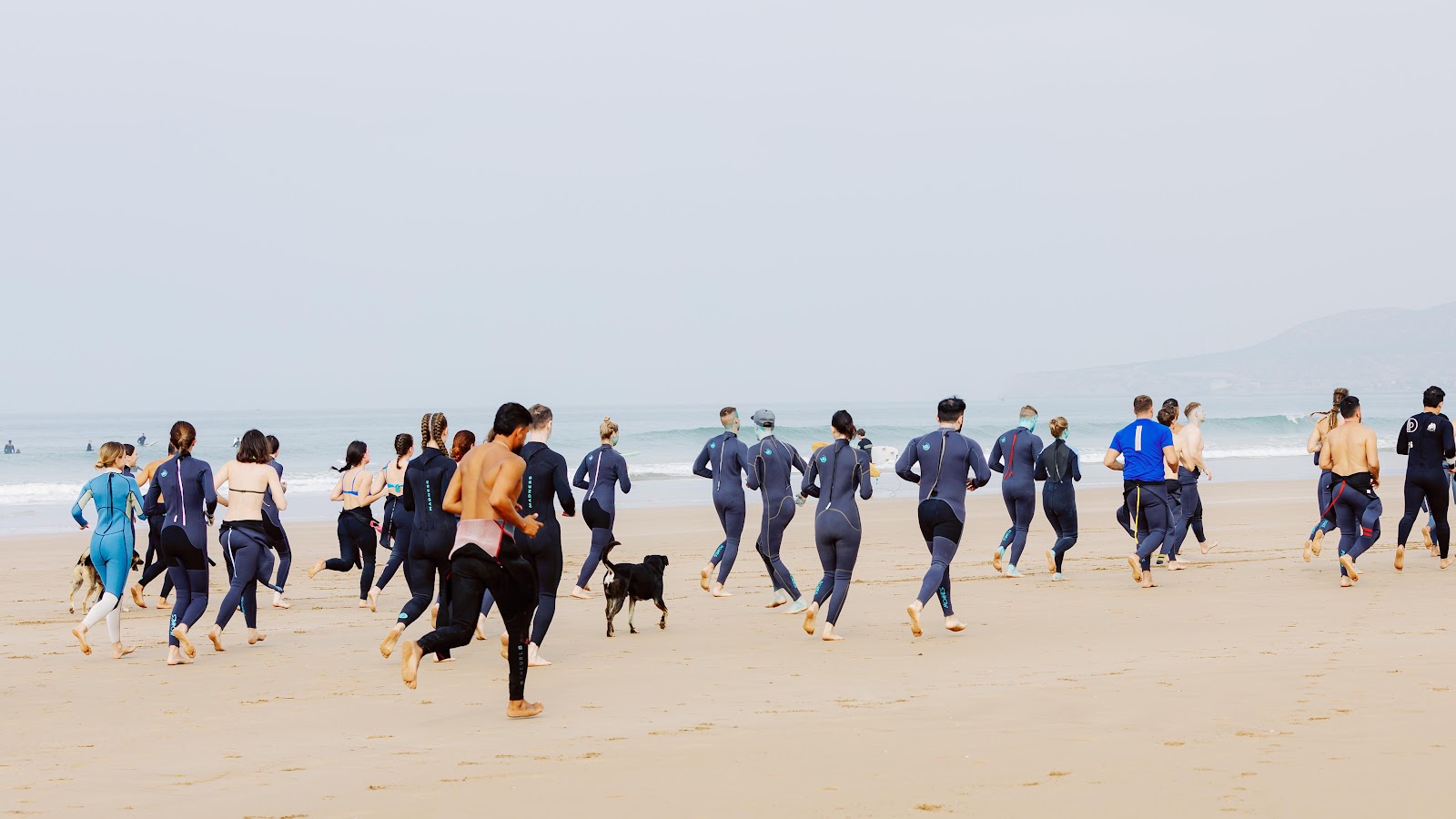
If you’re alone, you’re hunting for one of two things: genuine community or genuine anonymity. Most solo travellers think they want the former and discover mid-stay they actually want the latter.
Soul Surf House in Anza delivers real community without forcing it. Walid’s team orchestrates breakfast, shared dinners, and terrace time in a way that feels organic rather than manufactured. You’ll meet other surfers and travellers without it feeling like a hostel mixer. The beach is a five-minute walk; bars and local restaurants cluster nearby. One caveat: reviews are unanimously positive, which either means it’s genuinely solid or that only satisfied guests write online. Either way, the consensus is consistent enough to trust. Expect to stay longer than planned.
If you want something more structured, We Surf Morocco in central Taghazout runs tight communal dinners and rooftop sessions where Abdel (the staff anchor) knows everyone’s name within hours. The surf instruction gets sorted into beginner and intermediate tiers, so you’re not learning alongside someone on their fifth day if you’re on day one. The practical touch: they arrange transport to breaks based on swell forecasts, not schedule. Solo surfers slot in easily.
For the deepest solo experience, Taghazout Surfers in the village proper has 290 five-star reviews and genuinely patient instructors (Jawad, Hiba, Walid, Taha appear repeatedly). Beginners catch waves on day one; the vibe skews warm rather than performative. You’ll pay premium rates, but repeat visitors book within months of leaving. That’s the marker of a place that actually works.
Cheapest hostel in Agadir under 200 MAD
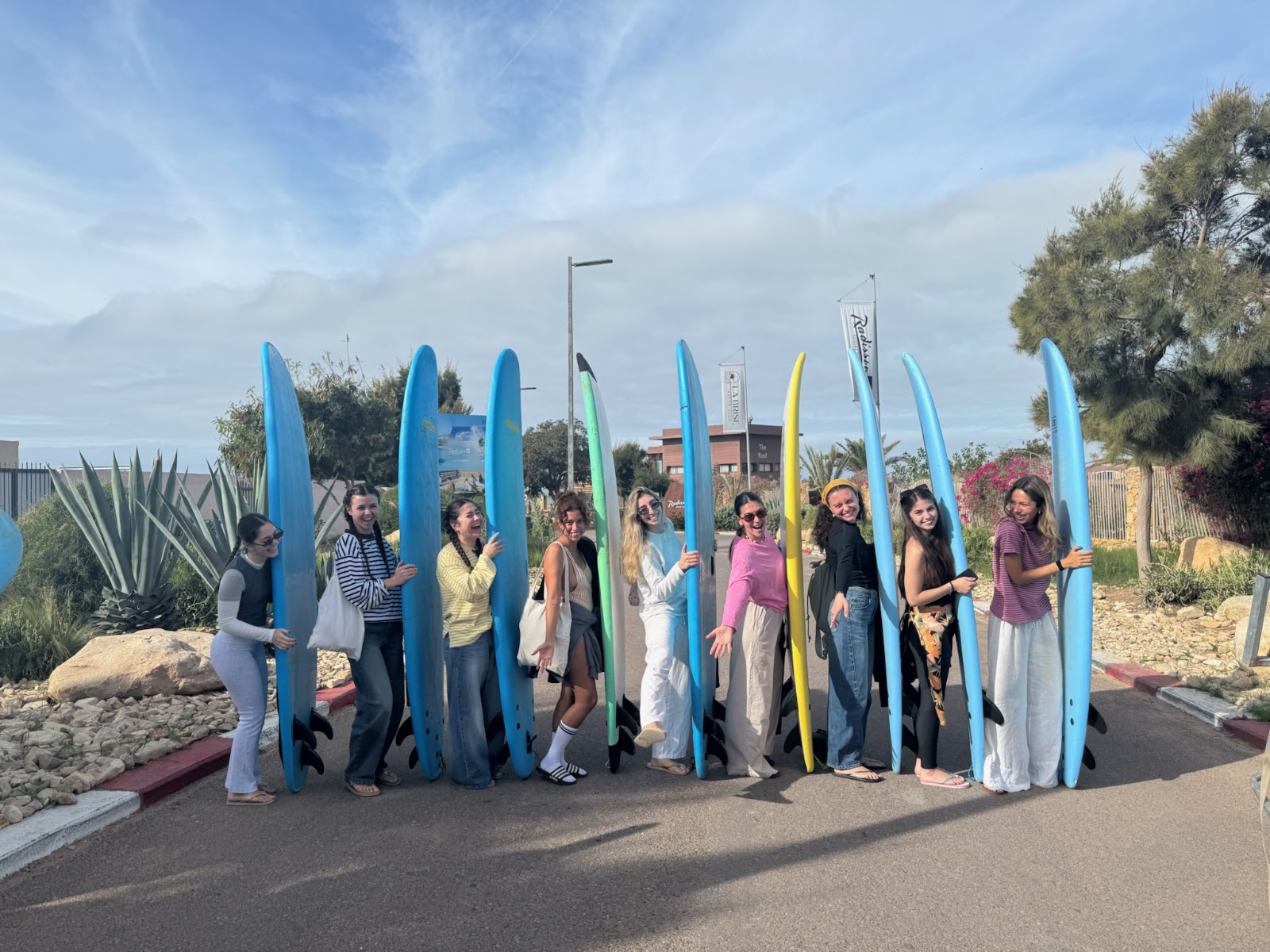
Budget hostels in Agadir cluster around 120–180 MAD for dorm beds, with variation driven by season and how far you’ll venture from the Corniche.
Tidmi Wave in Anza sits genuinely clean and genuinely quiet at the lower tier. No negative reviews surfaced across fifty-two honest assessments. You’re further from Agadir’s medina (a 50–70-dirham taxi ride), but that’s the trade-off for the price. The kitchen works properly, which matters if you’re staying longer than three nights. One reviewer noted room assignments depend on luck—you can’t choose dorm mates—but that’s universal.
Soul Surf House also undercuts central Agadir prices whilst delivering better community than you’d expect at the budget tier. Moroccan breakfast is substantial rather than perfunctory. Walid’s team keeps things clean and genuinely welcoming. You’re in Anza, same distance from the medina as Tidmi, but the vibe skews more intentional.
Honest caveat: hostels under 200 MAD in 2026 are vanishing as Agadir renovates. Book early, and confirm pricing directly—Google listings lag six months behind reality.
Best hostel near the beach in Agadir
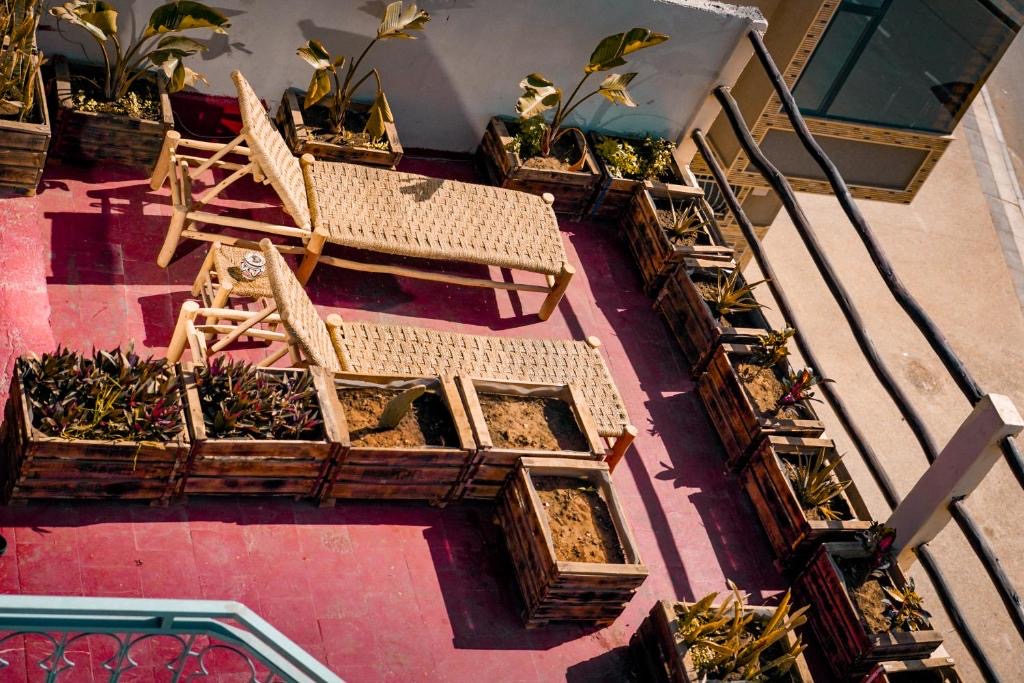
If beach proximity is your primary criterion, you’re choosing between Anza (Agadir’s actual neighbourhood with locals) and Taghazout (the surf-tourist enclave).
Jurassic Surf House in Anza sits metres from the beach in a way that feels accidental rather than marketed. Rachid’s presence—genuinely attentive, apparently good with birthday cake—sets a tone that permeates everything. The surf school (Ayoub runs it) downstairs removes friction if you’re learning. Coffee at Mamma’s below is mentioned unprompted. Every review praises the community feeling, not just the facilities. It’s small, which means it books fast and the vibe depends on who’s there. Not a party hostel. More a place where people actually stay longer than planned and mean it when they say they’re coming back.
In Taghazout, Surf Coast Morocco sits literally on the beach with views that justify the hype. The catch: ocean noise. Elisabeth flagged it plainly—if you’re a light sleeper, waves crashing metres from your bed will find you. Not a dealbreaker for surfers. Cleanliness and staff friendliness are unanimous across reviews. Private rooms with balconies are worth the upgrade if you want your own space but still want community.
For pure proximity, Hashpoint Surfcamp sits metres from the Taghazout waterfront—close enough that you’ll fall asleep to actual waves, not the idea of them. Fresh food, daily room attention, and instructors who are experienced and unhurried rather than ego-driven. No negative reviews surface here, though that partly reflects selection bias—only delighted guests write. Expect €70–90 nightly for dorm beds, likely less for longer stays.
Hostel in Agadir with rooftop terrace
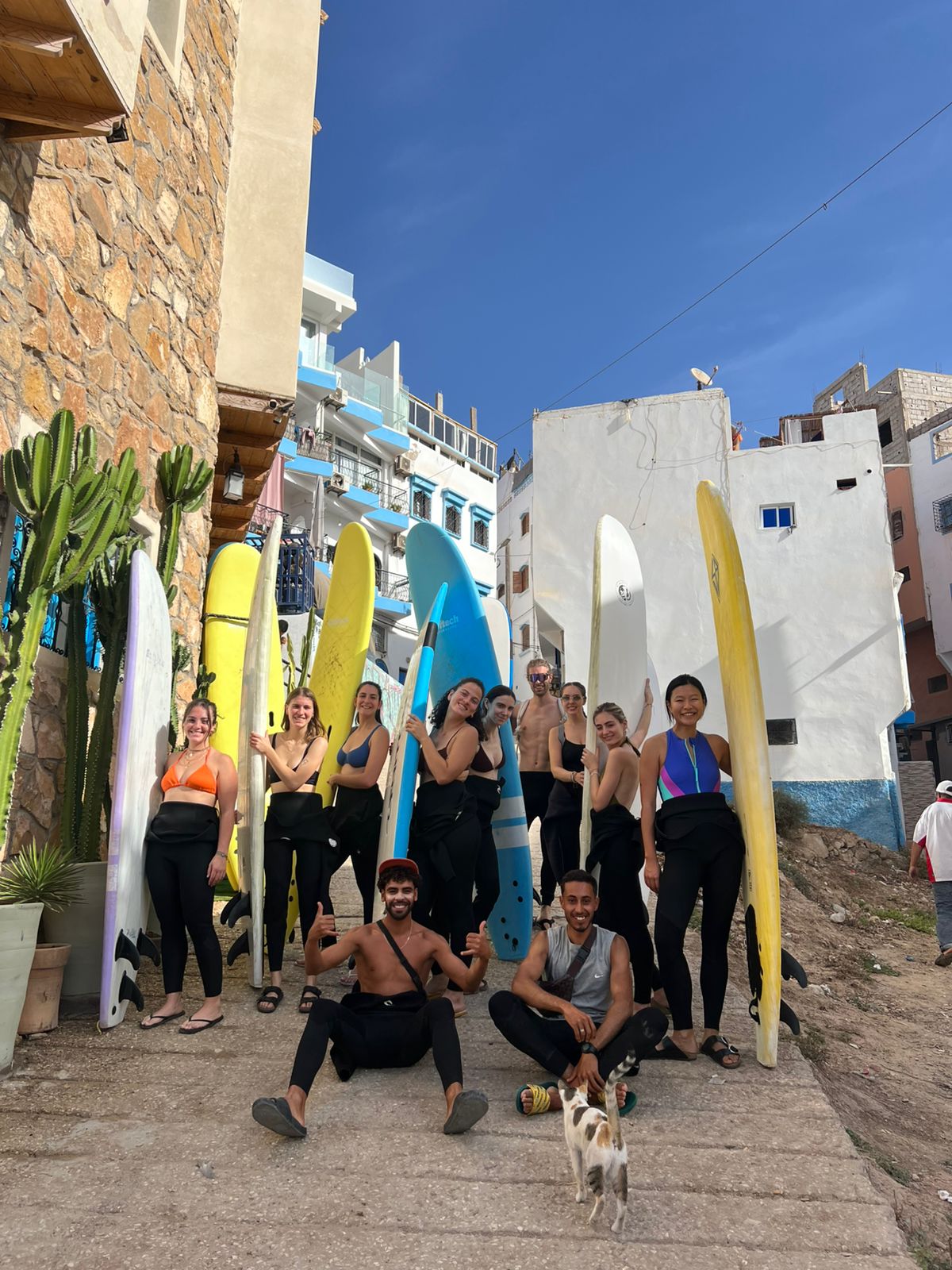
Rooftop terraces in Agadir and Taghazout range from genuinely functional social hubs to photo-op fiction. The difference is usually whether the kitchen actually works and whether staff presence makes it feel welcoming rather than transactional.
Soul Surf House in Anza has a terrace genuinely good for sunsets, and people actually use it for community rather than Instagram. Walid’s team tends it; it stays clean; breakfast happens there. It’s not pretentious.
Roof House Hostel in Taghazout runs on genuine hospitality where Mohammed and Jamal cook daily meals and run communal dinners that actually feel convivial rather than forced. The rooftop terrace delivers the views Taghazout promises, and the vibe skews toward people staying longer than a night. No dissenters mentioned across 184 reviews, though no complaints either. Worth booking if communal meals and a working social hub matter to you.
Freebirds Hostel in Tamraght earns its rooftop keep; breakfast is emphatic across reviews. Mehdi appears in every review not as background support but as the reason people stay, return, and write at length about their time here. His hospitality reads genuine. The rooftop connects to the actual beach five minutes away, which is rare.
We Surf Morocco in Taghazout has a working rooftop where shared dinners and evening sessions generate the kind of memory-making that budget stays rarely achieve. Abdel becomes a fixture, not just a fixture of hospitality.
Long-stay hostel in Agadir for digital nomads
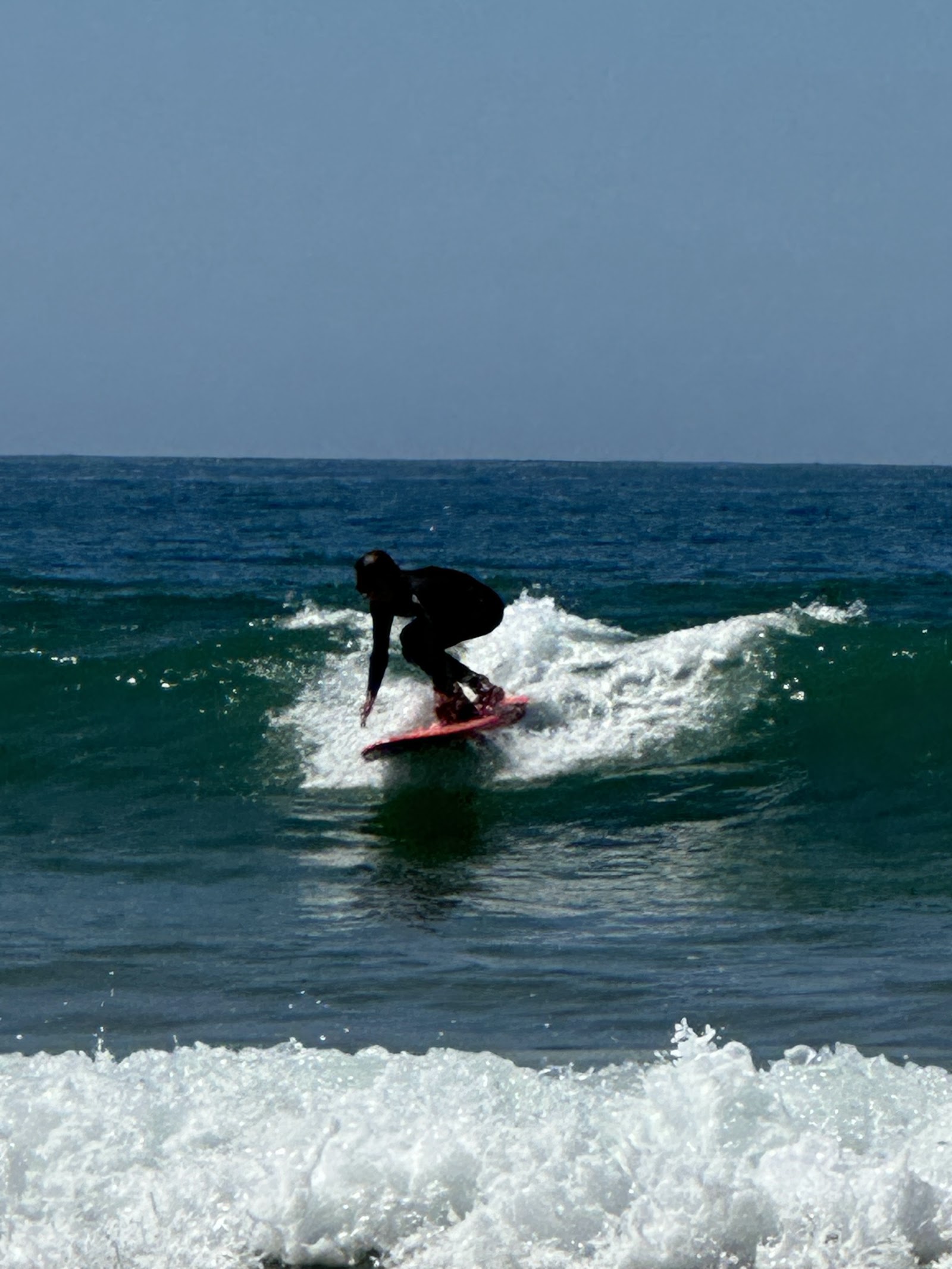
Digital nomads need wifi that doesn’t vanish, kitchen access that scales beyond one kettle, and social friction low enough to work quietly during the day.
Soul Surf House serves this crowd better than its “surf hostel” branding suggests. The kitchen is functional, not fancy. WiFi works. They’ll help with admin things (visa questions, bank transfers, that sort of hassle). The Anza location means rent and food stay affordable. The community stays organic enough that you won’t feel obligated to socialise if you’re working. Reviewers mention staying longer than planned; some of that is romantic wanderlust, but some reflects practical infrastructure that actually works.
We Surf Morocco in central Taghazout checks the boxes: homemade nightly meals you don’t have to cook yourself, rooftop space that works for co-working, and Abdel’s presence keeps logistics smooth. Transport to beaches and souks is arranged without negotiation. Rooms stay visibly clean. It’s not a dedicated digital nomad hub, which means less performative “remote work community” theatre and more actual space to focus.
Honest caveat: Agadir and Taghazout are warm-season nomad destinations, not year-round working bases. If you need infrastructure as stable as a European co-working space, you’ll be frustrated. If you’re willing to embrace Moroccan pace (the internet works, mostly, until it doesn’t, and then you work from a café), these places function fine for a month or two.
Best hostel in Agadir for female solo travellers
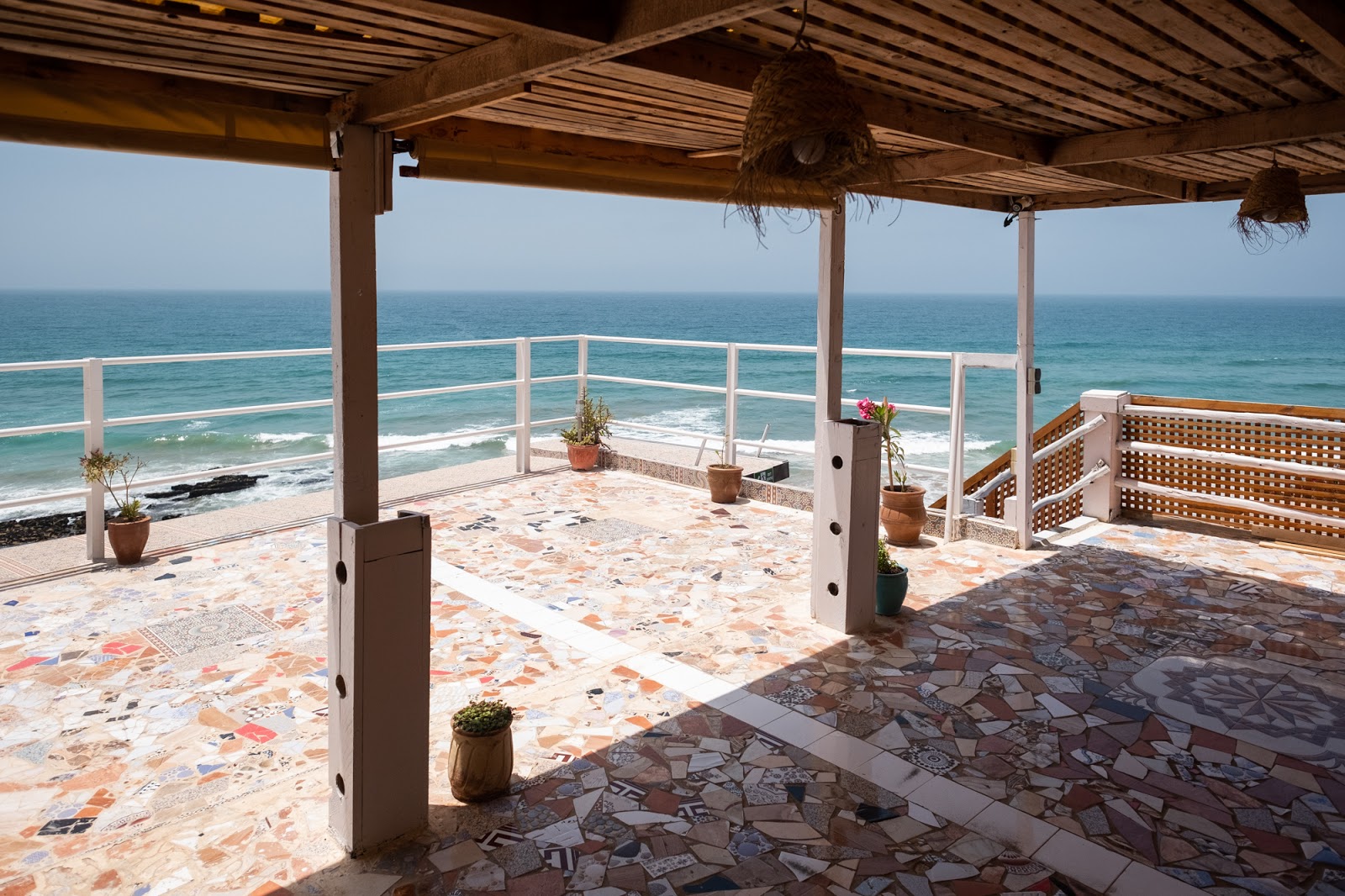
Safety is the real question here, and the reviews don’t always tell the full story.
Soul Surf House in Anza has no red flags across 123 reviews, and female solo travellers mention feeling safe and welcomed by Walid’s team. Pakita teaches surf properly. The community skews genuine. That said, you’re relying partly on luck—female-specific dorms aren’t mentioned, so you’re likely in mixed rooms. Worth asking directly before booking.
Tidmi Wave in Anza earned consistent praise for cleanliness and quiet, with no safety concerns raised across fifty-two reviews. Again, mixed dorms appear standard, so confirm dorm assignments before arrival.
Serious caveat: Locals Taghazout Surfcamp had a credible 1-star review from 2024 alleging a male staff member entered a female dorm uninvited late at night, against explicit refusal. The account is detailed and concerning. The Google rating (4.4 from 109 reviews) doesn’t reflect this incident, suggesting it may not be widely known. Worth asking directly about safety protocols in female dorms before booking, particularly if you’re a solo woman traveller.
Similarly, Surf & Travel Camp Morocco had one serious review flagging a staff member’s disrespectful behaviour towards female guests, including a pattern of uncomfortable conduct. Again, the overwhelming praise suggests these may be outliers, but they deserve weight. Ask before booking.
For female solo travellers, the honest advice: contact hostels directly and ask specific questions about staff screening, incident protocols, and whether female-only dorms exist. Google reviews lag behind reality. Staff turnover is high. What worked last month might not this month.
Difference between Agadir city hostels and Taghazout surf hostels
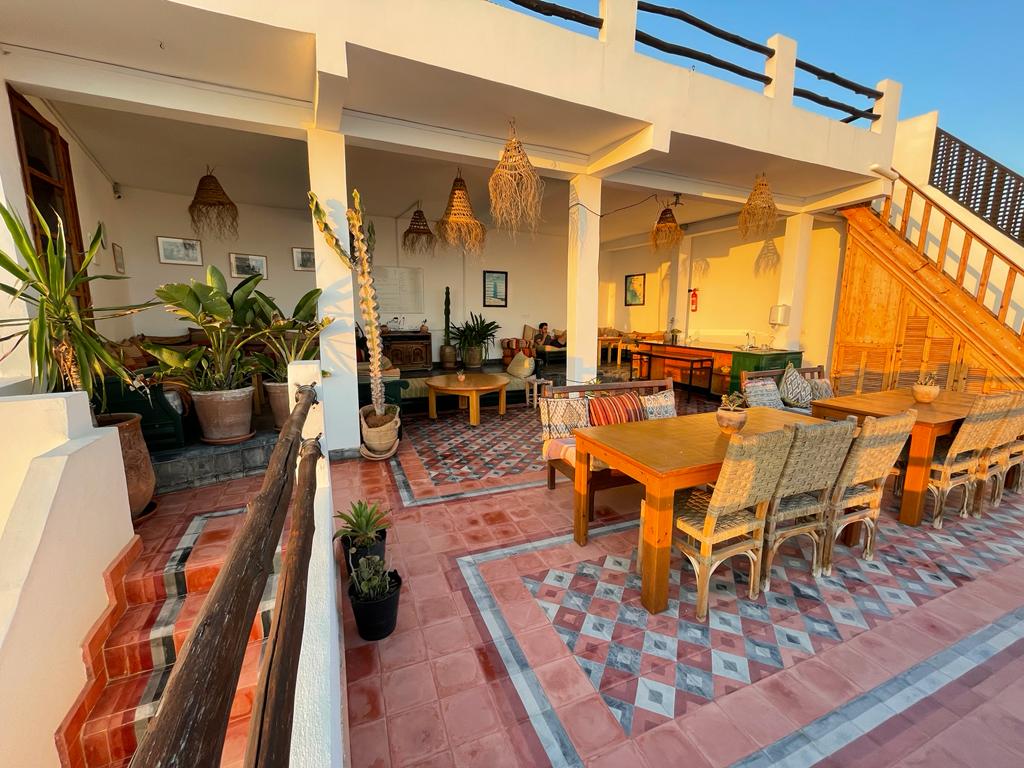
Agadir city (the Corniche, Marina, medina) is urban Morocco: noise, commerce, medina hassle, but also restaurants, supermarkets, the actual city infrastructure. Hostels there cater to tourists more than travellers.
Anza and Tamraght (20 minutes south) are beach villages where locals still live and shop. Hostels there have salt and sand; quieter nights; a slower pace. Prices run lower. You’ll hear French and Arabic more than English. Community forms around the beach, not around pretentious rooftop design.
Taghazout (90 minutes north) is the opposite: an international village colonised by surfers and yoga instructors. It’s post-local in a way Anza isn’t. Every hostel sells the same rooftop ocean view. The difference is execution. Some places run tight operations (Taghazout Surfers, We Surf Morocco, Surf Coast Morocco). Others depend entirely on whether the owner’s present (Freebirds, Roof House). A few are genuinely disorganised despite high ratings (Surf Camp Taghazout).
The real difference: Agadir city hostels are stopping points. You sleep there before heading elsewhere. Anza and Taghazout hostels are destinations. You come to stay, surf or not, and discover you’re still there a month later. That shapes the community, the kitchen culture, the staff attentiveness. Everything, really.
If you want ease and restaurants, stay in Agadir city or Marina. If you want community and beach, head to Anza. If you want to surf and don’t mind paying premium rates for instruction, go to Taghazout.
Best hostel near Marina Agadir
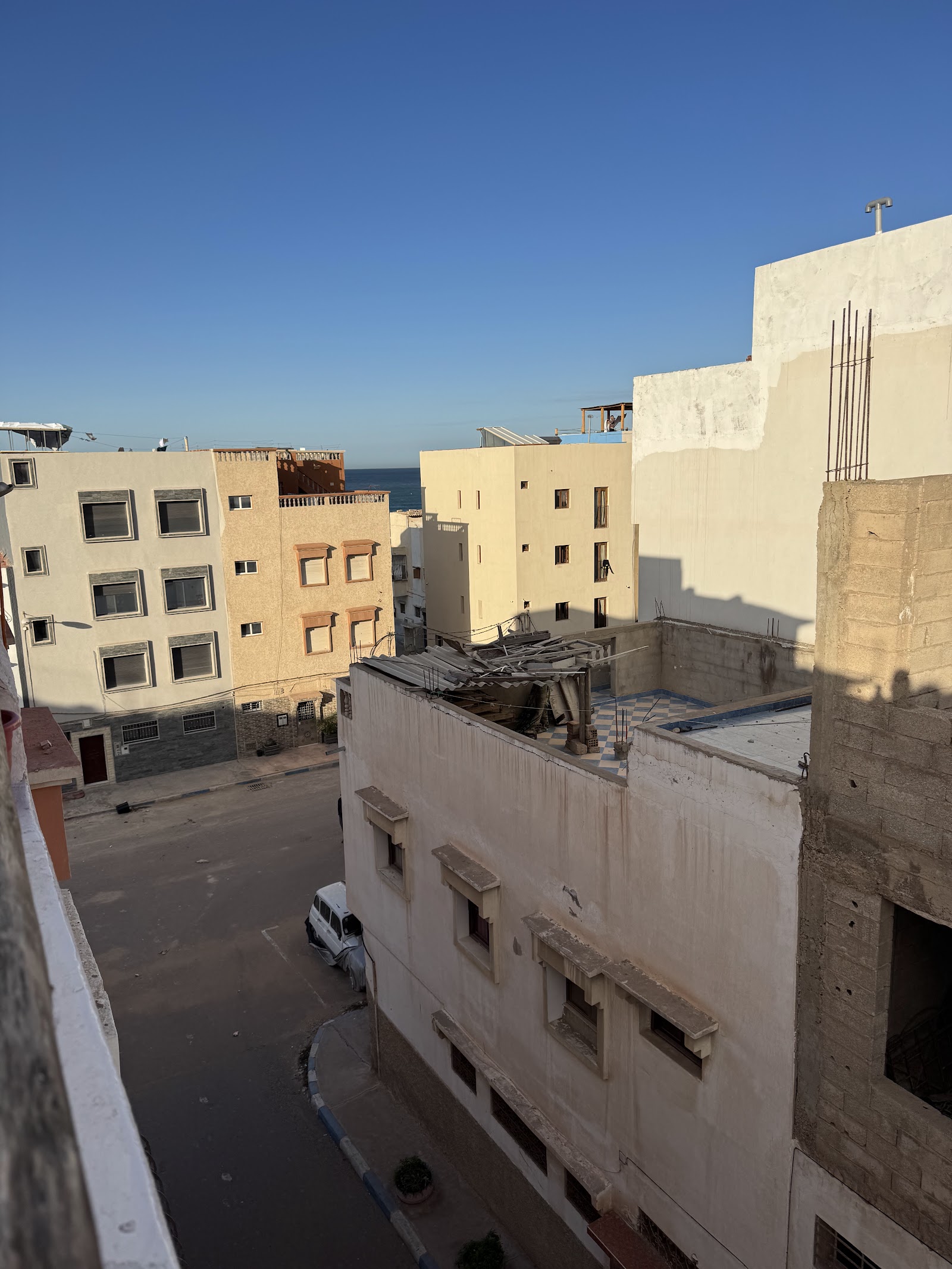
The Marina is Agadir’s main tourist hub—restaurants, boats, money changers, all performing for tourists. Hostels there charge accordingly.
Honestly: the reviews don’t show a genuinely beloved hostel within walking distance of the Marina itself. Most backpackers either stay further inland (near the medina, for budget) or head south to Anza (for beach and community). The Marina sits between both worlds and serves neither well.
If you need Marina proximity for logistical reasons (early boat tour, specific restaurant), Jurassic Surf House in Anza is a taxi ride away (15–20 MAD, ten minutes) and infinitely better value and experience than anything in the Marina proper. Rachid’s presence and community atmosphere justify the short journey. Alternatively, stay in the medina proper (cheaper, more authentic) and taxi to the Marina when needed.
Honest recommendation: skip the Marina as a base. Use it for a meal and logistics, then return to Anza or further north. You’ll pay less, sleep better, and meet actual travellers instead of tourists.
How to choose the right hostel in Agadir
-
Define your priority. Are you here to surf, or are you exploring Morocco? Are you alone or with someone? Budget is one factor, but whether you want community or anonymity shapes the choice far more. A social hostel is miserable if you want quiet; a quiet guesthouse is boring if you want community.
-
Choose location second. Agadir city (Corniche, medina, Marina) = tourists, commerce, medina hassle, but infrastructure. Anza = beach village, locals still live there, slower pace, lower prices, genuine community. Taghazout = international surf enclave, premium rates, tight instruction, depends heavily on management quality. Decide which matches your vibe.
-
Read recent reviews carefully. Google ratings tell you nothing. Read the one- and two-star reviews first—they reveal what actually goes wrong (staff rudeness, cleanliness lapses, disorganisation). Read the five-star reviews for consistency markers. If everyone mentions the same staff member by name, that’s real. If reviews are vague (“great place!”), they’re probably filtered or fake.
-
Contact the hostel directly before booking. Ask about wifi stability, kitchen access, dorm assignments (mixed or female-only if relevant), and what’s actually included in the quoted price. Email beats WhatsApp; responses via email are slower but honest. Staff who won’t answer direct questions are flagging something.
-
Check for safety protocols if you’re a solo female traveller. Ask about incident reporting, staff screening, and whether female-only dorms exist. Google reviews won’t catch recent staff problems. Ask current guests on Instagram if possible. Taghazout has some documented incidents—ask directly.
-
Book for a shorter stay than you think you’ll take. Most hostel reviews mention staying longer than planned. That’s either genuine or selection bias (only happy people write). Either way, book two nights, assess the vibe and management, then extend if it’s working. Cancellation policies usually allow this. You’ll pay slightly more for flexibility, but you’ll avoid being trapped in a mediocre hostel.
FAQ
What’s the cheapest hostel in Agadir right now?
Budget dorm beds in Anza run 120–160 MAD (roughly £9–12), with prices creeping up seasonally. Tidmi Wave and Soul Surf House both undercut 150 MAD whilst delivering actual quality—clean rooms, working kitchens, genuine staff presence. Central Agadir (Corniche, Marina) charges 180–250 MAD for comparable beds. The trade-off: Anza is quieter and further from the medina (30–40-minute walk, or a 50-dirham taxi). If budget is your primary concern and you’re happy in a beach village, Anza saves money and improves the experience simultaneously.
Is Agadir safe for backpackers in 2026?
Agadir itself is safer than many Moroccan cities for solo travellers. Petty theft and overcharging happen (as in any tourist city), but violent crime is rare. The main risks: medina haggling pressure, taxi negotiation friction, and drink-spiking in clubs (rare but documented). Stay in Anza or Taghazout rather than the medina if you’re nervous; those neighbourhoods are genuinely quieter and safer. For female solo travellers specifically: Agadir is safer than Marrakech or Fes, but ask hostels directly about staff screening and incident protocols before booking. A few documented incidents at Taghazout-area camps suggest vetting isn’t universal. Solo female travellers report feeling safe in most well-reviewed hostels if they avoid isolated areas late at night—standard travel sense, really.
Can I find a private room for under 250 MAD in Agadir?
Private rooms in budget hostels start around 180–220 MAD, though they’re typically tight—single bed, shared bathroom, minimal amenities. Anza has more availability at that price than the Corniche. Check directly with Soul Surf House or Tidmi Wave about private room availability; both offer them but don’t advertise the rates prominently. Taghazout private rooms start around €25–35 (roughly 260–365 MAD), pushing above your budget. The 250-MAD threshold is real—below that, you’re likely in a dorm or a very basic private room with no privacy in common areas.
Do hostels in Taghazout include surf lessons?
Most Taghazout hostels offer surf lessons, but inclusion varies wildly. Some bundle instruction in the rate; others charge separately (typically 200–400 MAD for group lessons, more for private). Taghazout Surfers, We Surf Morocco, and Surf Coast Morocco include instruction and are clear about it upfront. Others (notably Happy Surf, Azoul, Locals Taghazout) arrange lessons on request but charge extra. Always ask directly before booking if instruction matters to your stay. Beginner-focused camps prioritise teaching; intermediate surfers sometimes find lessons rushed or geared toward absolute beginners. Read reviews for your actual level, not just “good surfing.”
What’s the best time to visit Agadir for budget accommodation?
April–May and September–October are shoulder season—good weather, fewer tourists, better prices. Hostels discount 10–15% off peak rates. July–August is peak summer; expect full booking and premium pricing. November–March is quiet (occasional rain, cooler) but cheaper still. January-February is warm enough and genuinely empty, which makes it ideal if you’re nomading long-term. For surf specifically, September–November has the most consistent Atlantic swells. If you’re here purely for beach and budget, visit in April or October.
How do I know if a hostel’s community vibe is genuine or forced?
Real communities form around shared meals (does breakfast happen communally?), working kitchens (can you cook your own food?), and staff presence (do staff appear by name in reviews, or are they invisible?). Forced vibes show up as mandatory happy hours, performative Instagram photo ops, and reviews saying “good for solo travellers” without explaining why. Read recent reviews for specific staff names and activities. If you see “Mehdi organised a beach trip” or “Walid cooked dinner,” that’s real. If reviews say “nice vibe” without specifics, they’re either generic or filtering negative experiences. Also check review timing—a spike of five-star reviews in one month followed by silence suggests either that it got popular temporarily or that it started filtering negative feedback.
Are rooftop terraces in Taghazout worth the premium?
Rooftop terraces in Taghazout are universal—nearly every hostel claims one. The question is whether it’s actually used or just a photo location. Real terraces have daily meals, staff presence, and genuine community activity. Roof House, We Surf Morocco, and Soul Surf House all use their terraces functionally. Mediocre ones sit empty except for Instagram moments. Read reviews for mentions of shared meals, hangouts, and staff presence on the rooftop. If reviews don’t mention the terrace specifically, it’s probably just space. The premium you pay for a rooftop room or stay only justifies itself if the terrace is genuinely social—and that depends entirely on management and kitchen quality, not square footage.
Closing
Agadir’s hostel scene splits cleanly between tourists (who need infrastructure and eat in restaurants) and travellers (who want community and cook occasionally). The best hostels—Jurassic Surf House, Soul Surf House, We Surf Morocco, Taghazout Surfers—aren’t the fanciest or cheapest. They’re the ones where staff presence and kitchen culture create the conditions for real connection. That’s what people actually remember. Book for two nights, assess the management, and extend if it’s working. You’ll know within hours whether you want to stay longer.
Keep reading
 experience
Best Hammam in Agadir 2026: Traditional vs Spa Guide
Find the best hammam in Agadir 2026—traditional Berber rituals or luxury spa treatments. Prices, etiquette, and where locals actually go.
practical
How to Get from Marrakech to Agadir in 2026: Transport Guide
Direct buses, private transfers and the A7 highway: how to travel from Marrakech to Agadir in 2026 without the tourist markup.
experience
Is Agadir Worth Visiting in 2026? An Honest Take
Is Agadir worth visiting in 2026? An honest take on sun, safety, and whether it deserves your holiday over Marrakech or Taghazout.