Cheap Eats in Agadir 2026: Where to Eat on a Budget
Budget eating in Agadir 2026: where locals eat for 30–80 MAD per meal. Street food, tagine, breakfast spots, honest reviews without the tourist traps.
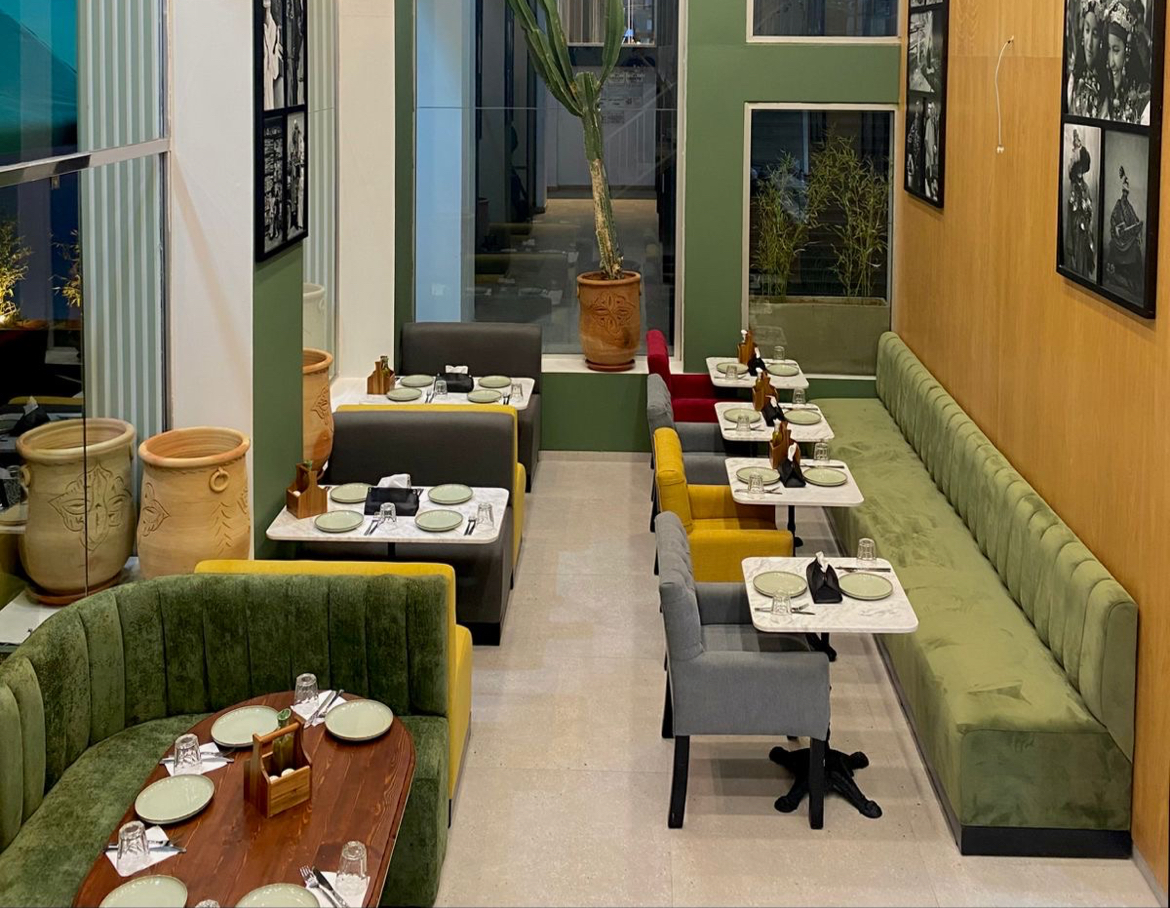
Agadir’s food economy splits cleanly: tourist restaurants on the Corniche charging 150+ MAD for mediocre grilled fish, and the actual eating happening in side streets, riads, and above shopfronts where a proper meal costs what a coffee costs elsewhere. The trick isn’t finding cheap food—it’s finding cheap food that locals queue for, which is a different proposition altogether.
The 30–80 MAD bracket is where Agadir’s real kitchens live. You’ll eat tagine, couscous, mandi, fresh pastries, and grilled fish at prices that make sense. What you won’t find is Instagram aesthetics or staff trained to upsell. What you will find is people eating with purpose, speed, and genuine appetite—the truest food guide any city offers.
This guide walks the budget-eating reality of Agadir in 2026: where to sit, what to order, which places locals actually revisit, and which restaurants trade on buzz rather than consistency.
Cheap restaurants Agadir 2026 under 80 MAD
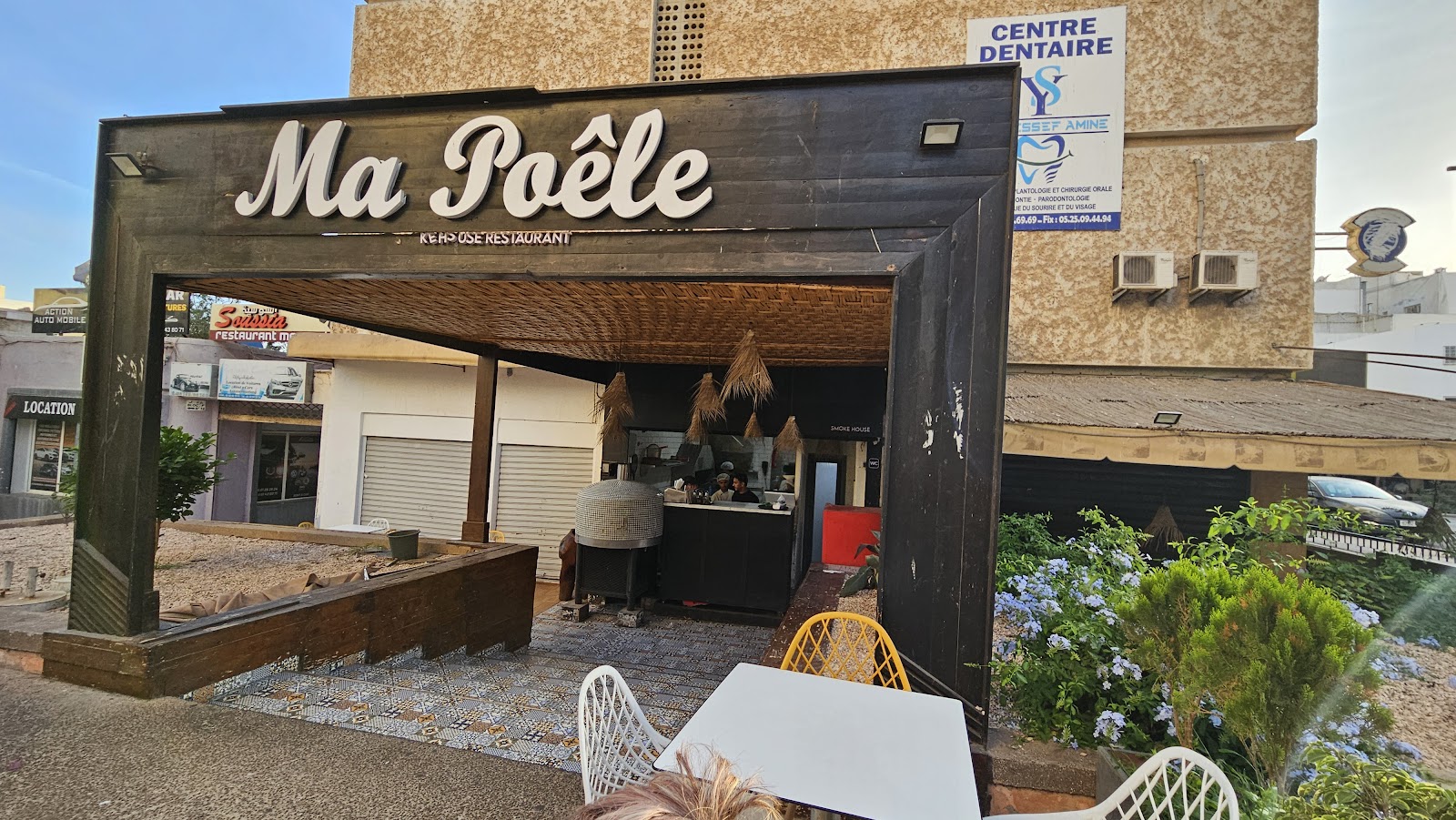
Khaymat Al Mandi Agadir sits above Boulevard Hassan II in an unmarked complex—the sort of place you walk past twice before finding it. The mandi arrives communal: lamb, camel, or chicken over fragrant rice, properly seasoned and engineered for four people to demolish without restraint. Two diners paid 300 MAD with water included; the math works at roughly 75 MAD per head for the shared portion. The kabsa and maklouba land with similar conviction, accompanied by three house sauces ranging from medium to genuinely brutal. Floor seating, neutral service, families included—this reads as Middle Eastern kitchen competence rather than tourist pastiche.
Restaurant la Pastilla on Boulevard 20 Août charges 85 MAD for breakfast (shakshuka, omelette, bread, honey, coffee, juice), which sits well below Marrakesh rates. The dinner menu—lamb tajine, chicken couscous—hovers comfortably under 80 MAD per plate. The space works: intimate indoors, spillover seating outside without the usual road-noise penalty. Staff names surface repeatedly in reviews (Siad, Soufiane, Youssef), which matters. Complementary starters and peppermint tea with pastries at close feel genuine.
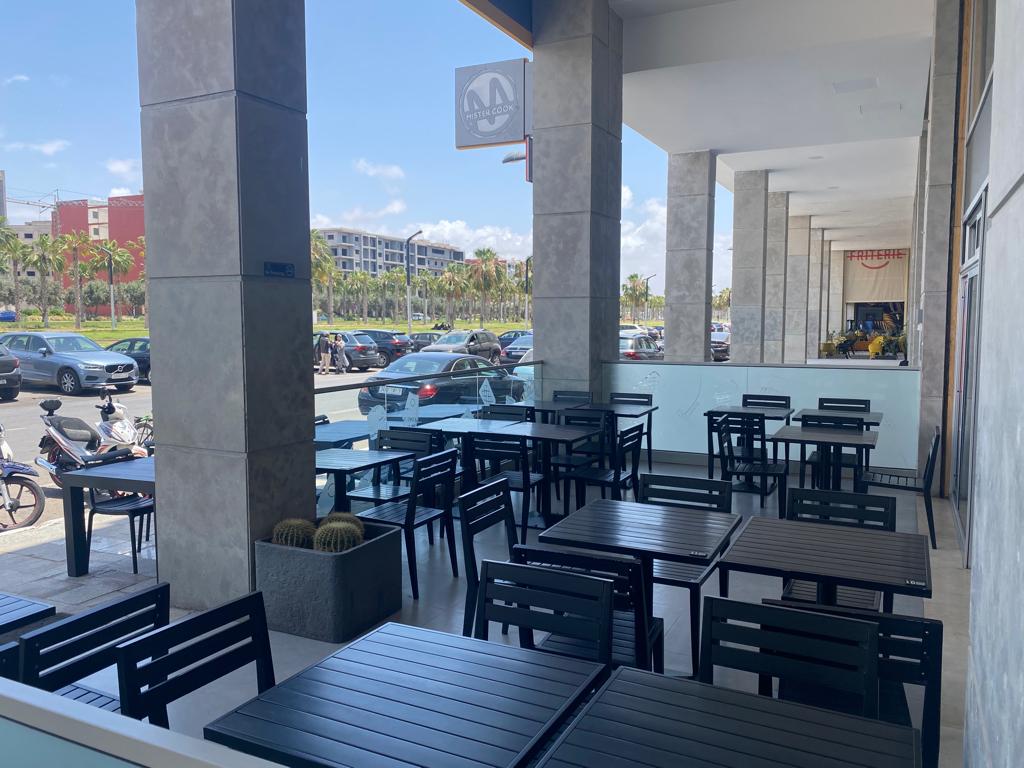
MISTER COOK near Paul Agadir Bay lands a half grilled chicken with rice, fries, and bread somewhere between 40–60 MAD. It’s cheap and filling, staff are genuinely friendly, and the crispy fried chicken wrap arrives when they’re focused. The honest caveat: consistency varies. A reviewer named Shahzad Iqbal got lukewarm burgers and frozen vegetables that hadn’t seen proper heat. It’s good enough for an afternoon bite when you’re hungry and skint; don’t plan your evening around it.
Where to eat cheap Agadir city: neighbourhood breakdown
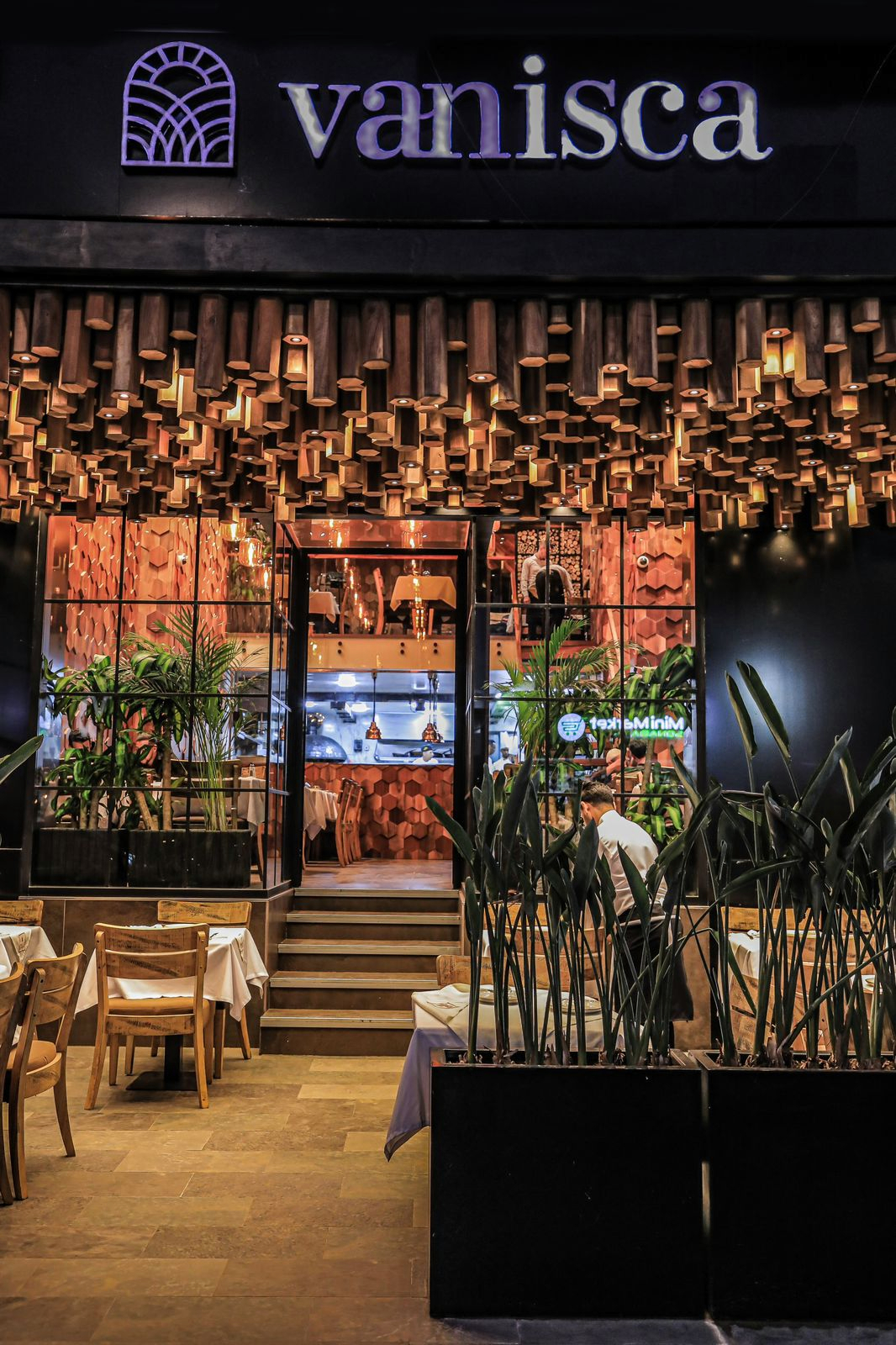
The city splits into eating zones. The Corniche is tourist-premium; Boulevard Hassan II (where Khaymat Al Mandi sits) runs locals and working lunch crowds. Avenue Mohamed El Fassi, Avenue Hassan II (La Buvette’s address), and the medina-adjacent lanes offer genuine budget options without Corniche markup.
Head to the lanes behind the central market (Souk El Had) for street-level pastry stalls and juice vendors charging 10–15 MAD for a proper Moroccan breakfast: msemen (flaky pastry), almond-filled baghrir, fresh orange juice. These aren’t venues Google indexes; they’re how locals eat before work. Arrive by 7 a.m. and you’ll eat standing at a marble counter with builders, shopkeepers, and nurses on their way in. By 9 a.m. the best items are gone.
Boulevard 20 Août, where Restaurant la Pastilla operates, runs busier at lunch (12–2 p.m.) and dinner (7–10 p.m.). Arrive outside those windows and you’ll find a more relaxed pace, though portions don’t shrink.
Moroccan street food Agadir: what to order and where to find it
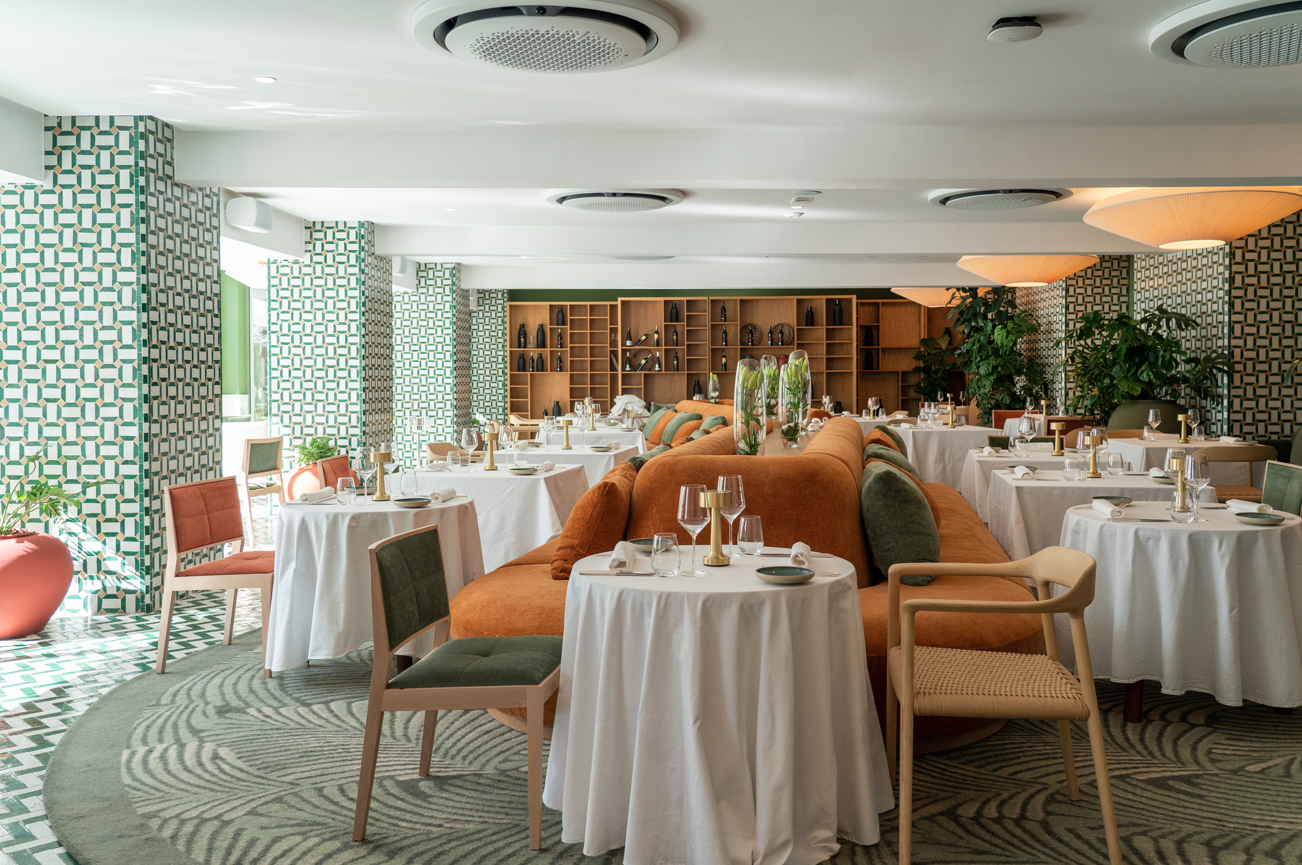
Moroccan street food in Agadir clusters around three forms: pastries, grilled meats, and juice.
Pastries (msemen, baghrir, briouate) cost 5–10 MAD each. Buy them fresh—within the hour of baking—from vendors setting up around 6 a.m. near the market. Pair with a café crème (8 MAD) for breakfast at roughly 25 MAD total. The msemen (butter-layered pastry, typically folded with cheese or preserved lemon) should shatter under your teeth; if it bends, it’s yesterday’s stock.
Grilled meats on street stalls run chicken skewers (brochettes: 2–4 MAD each), lamb merguez (5–8 MAD), and kefta (minced meat formed into a sausage, 4–6 MAD). Find them in the evening around Boulevard Hassan II and the medina edges. Order five or six mixed items, grab bread, add harissa (5 MAD for a container), and you’ve built a 30 MAD dinner. The meat arrives hot from charcoal; let it rest 30 seconds before biting or you’ll burn your mouth.
Juice stands (jus) charge 8–12 MAD for fresh orange, apple, or pomegranate. Mid-morning (10–11 a.m.) the queues run longest, which is when the juice is coldest and the oranges most aggressively squeezed. Some stands blend orange with carrot (15 MAD), which tastes like liquidised breakfast.
Couscous Fridays don’t advertise; they happen in family restaurants and communal spots on Friday afternoon (post-prayer, roughly 2–4 p.m.). Couscous with seven vegetables, chicken, and sauce costs 40–60 MAD. It’s a family dish meant to feed four; two people can split it and save money. Ask locals where they’re eating Friday lunch; they’ll point you toward the right place.
Best budget tagine Agadir Souss: which restaurants actually nail the dish
Tagine as a budget meal requires understanding what you’re paying for: slow-cooked stew (not the earthenware cone), typically lamb or chicken with preserved lemon, olives, ginger, or prunes, served with bread for scooping. It’s peasant food engineered to feed large families cheaply, which is why it slots perfectly into the 50–70 MAD bracket.
Restaurant la Pastilla serves lamb tagine that reviewers consistently praise as properly executed. No theatrical presentation; the tagine arrives in the same dish it cooked in, still releasing steam. The sauce carries proper depth—not heavy, not thin. At roughly 65 MAD per plate, it’s a meal that doesn’t require sides (though bread always comes).
Khaymat Al Mandi doesn’t specialise in tagine, but the philosophy is identical: slow-cooked meat, communal portions, value that doesn’t pretend otherwise. The mandi sits at the intersection of Moroccan and Gulf cooking; if you’re curious about cross-regional technique, it’s worth tasting.
Avoid Corniche restaurants marketing “authentic Moroccan tagine” at 120+ MAD. The dish doesn’t merit that premium; what you’re paying for is postcode and table linens, not flavour. The budget tagines sit in family restaurants and neighbourhood spots where locals eat it without pretension.
Cheap breakfast Agadir under 30 MAD: morning eating like locals
Agadir’s breakfast splits cleanly: tourist hotels (Corniche rates, 80+ MAD), and street eating (under 25 MAD).
A proper local breakfast costs roughly 20–28 MAD and includes:
— Msemen or baghrir (5–8 MAD): Flaky pastry or semolina pancake, typically filled with cheese or dusted with honey. Buy fresh from 6–8 a.m. stalls near the market.
— Café crème or Nescafé (8 MAD): Coffee, thick and milky, served in a small cup. It’s not strong; it’s comfort.
— Fresh orange juice (8 MAD): Squeezed to order, cold, often blended with carrot or apple for complexity.
— Bread with butter and jam (5 MAD): Soft white bread (similar to English sandwich loaf), proper butter, apricot or cherry jam.
Sit at a street counter or café and eat standing or at a shared table—you’ll pay less and eat faster than tourists seated at café chairs. The whole transaction happens in 15 minutes; locals eat and leave because they’re headed to work.
Restaurant la Pastilla offers structured breakfast (shakshuka, omelette, coffee, juice, bread) at 85 MAD, which is premium compared to street eating but still under tourist rates. It’s worth the uplift if you want to sit, take your time, and eat something cooked to order rather than pre-assembled.
Where locals eat lunch Agadir: weekday eating away from tourists
Lunch in Agadir happens between 12–2 p.m., and the rhythm is working meals rather than leisurely eating.
Boulevard Hassan II—where Khaymat Al Mandi sits—fills with construction workers, shopkeepers, and office staff ordering couscous, mandi, tagine, and rice bowls. The food arrives fast and in quantities sized for consumption, not conversation. Eat standing or claim a plastic chair at a shared table. No one lingers; efficiency is the point.
Avenue Mohamed El Fassi around Fresh Kitchen and MISTER COOK runs busier at lunch than dinner. You’ll eat surrounded by locals grabbing pizza slices or fried chicken wraps on their break—the vibe is transactional rather than social.
Medina-adjacent lanes behind the central market host neighbourhood restaurants where locals order couscous on Fridays, tagine on other days, and whatever protein is fresh. These spots don’t name themselves clearly; ask a shopkeeper where they eat lunch and they’ll direct you to the unmarked door upstairs.
The honest read: lunch crowds prioritise speed and fullness over refinement. The food is good—properly seasoned, hot, honest—but service is brisk and the space often feels cramped. If you’re looking for leisure, come at 2:30 p.m. when the rush has cleared. If you want to eat like locals eat, arrive at 1 p.m. and surrender to the current.
Cheap halal restaurant Agadir Hay Mohammadi: neighbourhood eating
Hay Mohammadi runs south and east from the city centre; it’s quieter than the downtown sprawl, with narrower streets and family-run restaurants that cater to residents rather than tourists.
Halal eating is standard across Agadir (the entire city is practising Muslim), so the “halal restaurant” designation matters less than neighbourhood context. In Hay Mohammadi, look for:
— Unmarked grills serving chicken and lamb brochettes with bread and harissa (30–40 MAD)
— Family-run tagine spots offering lamb, chicken, or vegetarian options (50–65 MAD)
— Couscous restaurants that fill at lunch on Fridays (40–60 MAD shared portions)
The advantage of eating in Hay Mohammadi versus downtown: lower prices (5–10 MAD less per plate), no tourist markup, and slower pace. The disadvantage: you’ll need basic French or Arabic, and Google Maps may not recognize the address.
Ask your hotel or a local shopkeeper where they eat lunch in Hay Mohammadi; they’ll point you somewhere genuine. Expect no English menus, cash only, and food that tastes better the hungrier you arrive.
Best food under 50 MAD Agadir Souss: exceptional value meals
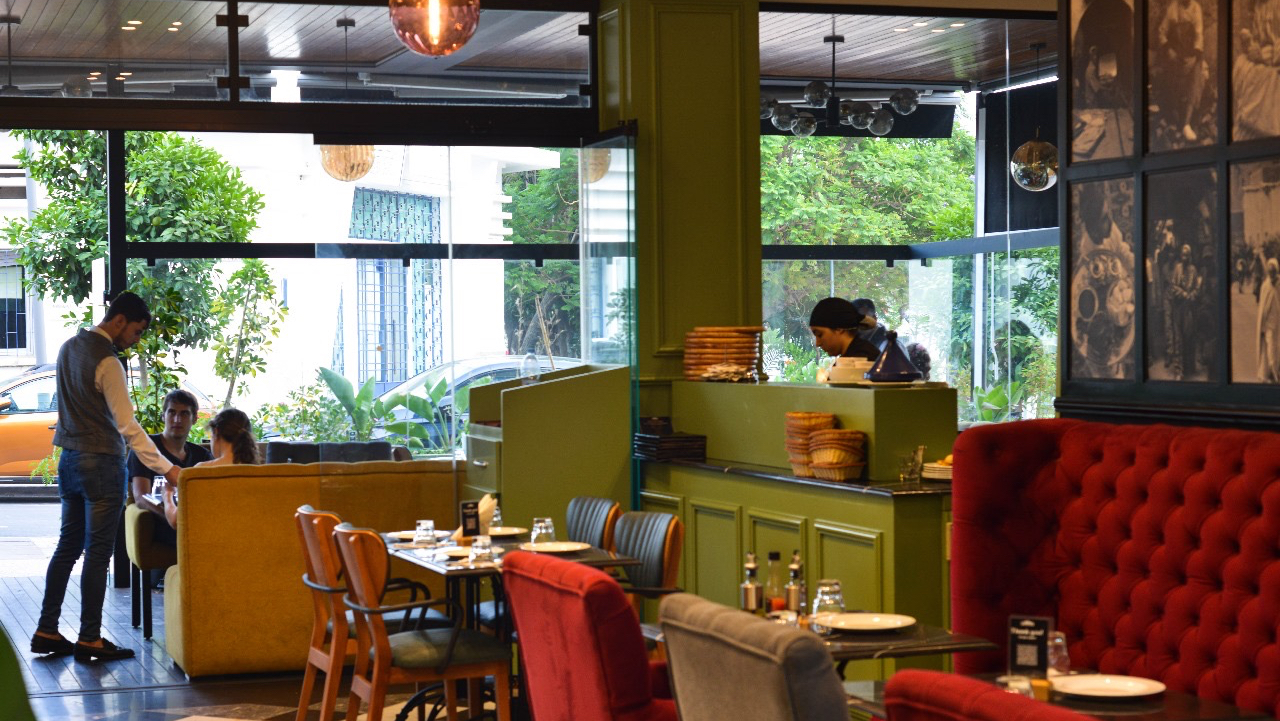
The 40–50 MAD bracket is where Agadir’s budget meals hit their stride: you eat properly, the kitchen remains focused, and you’re paying what things actually cost rather than what tourists will bear.
MISTER COOK delivers half grilled chicken with rice, fries, and bread at 40–60 MAD. It’s a complete meal. The crisps are properly fried, the chicken still warm. Consistency varies, but the value doesn’t.
Fresh Kitchen on Avenue Mohamed El Fassi lands pizza and generous portions at 45–55 MAD. The Chicken Caesar pizza and tiramisu are the reliable orders; venture into the mains (milanesa, Chicken Marsala) and you’re gambling slightly. The burgers and kebabs draw enthusiasm. It’s good enough for an afternoon lunch without overthinking it.
Khaymat Al Mandi mandi portions feed two for 60–80 MAD total, which lands per-head cost at 30–40 MAD. The math works if you’re willing to share and eat family-style.
Bread and street pastries remain the cheapest complete meal: 20–25 MAD for breakfast or lunch if you’re building from street vendors and café stalls.
The pattern across this bracket: value escalates when you move away from tourist-facing restaurants and toward working spots where locals eat by necessity rather than choice.
How to find the cheapest meal in Agadir and actually eat well
-
Skip the Corniche entirely. Every restaurant overlooking the beach charges 50% more for identical food. Walk two streets inland and prices drop 30–40%.
-
Eat at off-peak hours. 11 a.m. breakfast, 2:30 p.m. lunch, 9:30 p.m. dinner means you’re outside the rush, service is friendlier, and you’ll negotiate better if you’re the only customer. Restaurants often discount when tables are empty.
-
Order what locals order. Scan the room and copy what neighbouring tables are eating. If everyone has tagine, order tagine. If the plate next to you is couscous, ask the server what day that’s available. Local preference signals what the kitchen does well.
-
Arrive with appetite and low expectations about ambience. A plastic chair, fluorescent lights, and shared tables mean lower overhead, which means lower prices. The food compensates for the aesthetics.
-
Ask servers for recommendations and be specific about budget. Say “50 MAD maximum” in French (“cinquante dirham maximum”) or Arabic, and they’ll steer you toward proper portions that hit that price. They’re not commission-based; they want you fed and happy.
-
Carry cash and small bills. Many budget spots don’t take cards. Paying 85 MAD with a 200-dirham note and saying “keep the change” works fine; shops and street vendors often can’t break large notes.
FAQ
What’s the actual price for a full meal in Agadir on a budget in 2026?
A proper full meal (protein, starch, sauce, bread, water or juice) lands between 40–70 MAD at non-tourist restaurants. Breakfast under 30 MAD if you’re eating street pastries and café coffee; more like 85 MAD if you want restaurant service. Mandi or communal tagine shared between two people runs 60–80 MAD total (30–40 per head). The Corniche charges 120–180 MAD for identical food with a sea view.
Is it safe to eat at street food stalls in Agadir?
Yes. The hygiene standards are actually higher than you’d assume because the food moves so fast. A busy street grill vendor’s brochettes are fresher and hotter than something sitting in a restaurant kitchen for 10 minutes. The real risk is heat—grilled meat straight off charcoal will burn your mouth. Let it cool 30 seconds. If you have a sensitive stomach, stick to cooked proteins (properly grilled meat, tagine) over raw vegetables for the first few days while your gut adjusts.
What’s the difference between budget Moroccan restaurants and tourist restaurants in Agadir?
Budget restaurants (40–70 MAD) serve food the way locals eat it: fast, communal, without plating theatre. Portions are generous. Staff are friendly but brisk. Seating is plastic chairs and shared tables. Tourist restaurants (120+ MAD) offer table linens, slower service, smaller portions, and an English menu. The food quality often doesn’t justify the premium; you’re paying for postcode and ambience. There’s no reason to choose a tourist restaurant unless you want to sit in air conditioning and read a wine list.
Which budget restaurants in Agadir serve alcohol, and which don’t?
None of the budget restaurants listed here serve alcohol—Agadir is a practising Muslim city and alcohol isn’t part of the eating culture. Some upmarket spots (Amsterdam Luxury Restaurant, La Buvette, Le Sensya) mention alcohol or serve alcohol-free cocktails. If drinking is essential, ask your hotel for recommendations; they’ll direct you toward licensed establishments, which do exist but aren’t where budget eaters congregate.
Should I tip at cheap restaurants in Agadir?
Tipping is customary but not required. If you’re eating at a street stall (5–10 MAD meal), no tip is expected. If you’re sitting at a budget restaurant (40–70 MAD), leaving 10% (4–7 MAD) is appreciated but not obligatory. Staff don’t rely on tips the way they do in the UK or US; it’s treated as generosity rather than assumed wage subsidy. If service was genuinely friendly and helpful, 5–10 MAD is a good signal.
What’s the cheapest way to eat breakfast in Agadir?
Street pastry and café coffee costs 20–28 MAD. Walk to the market early (6–7 a.m.) and buy msemen or baghrir fresh from a vendor stall (5–8 MAD), grab a café crème from a nearby café (8 MAD), maybe add fresh juice (8 MAD). Total: 21–24 MAD for a full breakfast. Restaurant breakfast (Restaurant la Pastilla) costs 85 MAD but includes more components and you sit down. For budget eating, street is unbeatable.
Are there vegetarian cheap eating options in Agadir?
Yes. Vegetable tagine (courgette, aubergine, carrot, chickpea) costs the same as meat tagine (50–65 MAD). Couscous comes vegetarian. Msemen can be cheese-filled instead of meat. Street vendors sell bread with cheese (5 MAD), fried pastries, and juice. Hummus, baba ganoush, and salads appear in neighbourhood spots. What’s missing: explicitly vegan options. Assume butter and meat stock in everything unless you specify otherwise (in French: “sans viande, sans beurre” = no meat, no butter). The city accommodates dietary restrictions if you ask clearly; vegetable-forward eating is actually easier than protein-focused eating on a budget.
Agadir’s cheap eating economy works precisely because it’s built for locals, not tourists. The restaurants that make this list aren’t trying to replicate Marrakesh riads or Fes medinas—they’re feeding people breakfast before work, lunch during shifts, and dinner after. Eat where they eat, and you’ll pay less and eat better than anywhere marketed as “authentic” on the Corniche.
Keep reading
 experience
Best Hammam in Agadir 2026: Traditional vs Spa Guide
Find the best hammam in Agadir 2026—traditional Berber rituals or luxury spa treatments. Prices, etiquette, and where locals actually go.
practical
How to Get from Marrakech to Agadir in 2026: Transport Guide
Direct buses, private transfers and the A7 highway: how to travel from Marrakech to Agadir in 2026 without the tourist markup.
 experience
Is Agadir Worth Visiting in 2026? An Honest Take
Is Agadir worth visiting in 2026? An honest take on sun, safety, and whether it deserves your holiday over Marrakech or Taghazout.